
Your Child Still Needs You — Just in a Different Way.
As they grow more independent, your role shifts from directing their world to helping them make sense of themselves, their choices, and the world around them.

Your Influence Changes Before It Disappears
As your child becomes more independent, your influence shifts from giving every answer to helping them learn to think, respond, and decide for themselves.
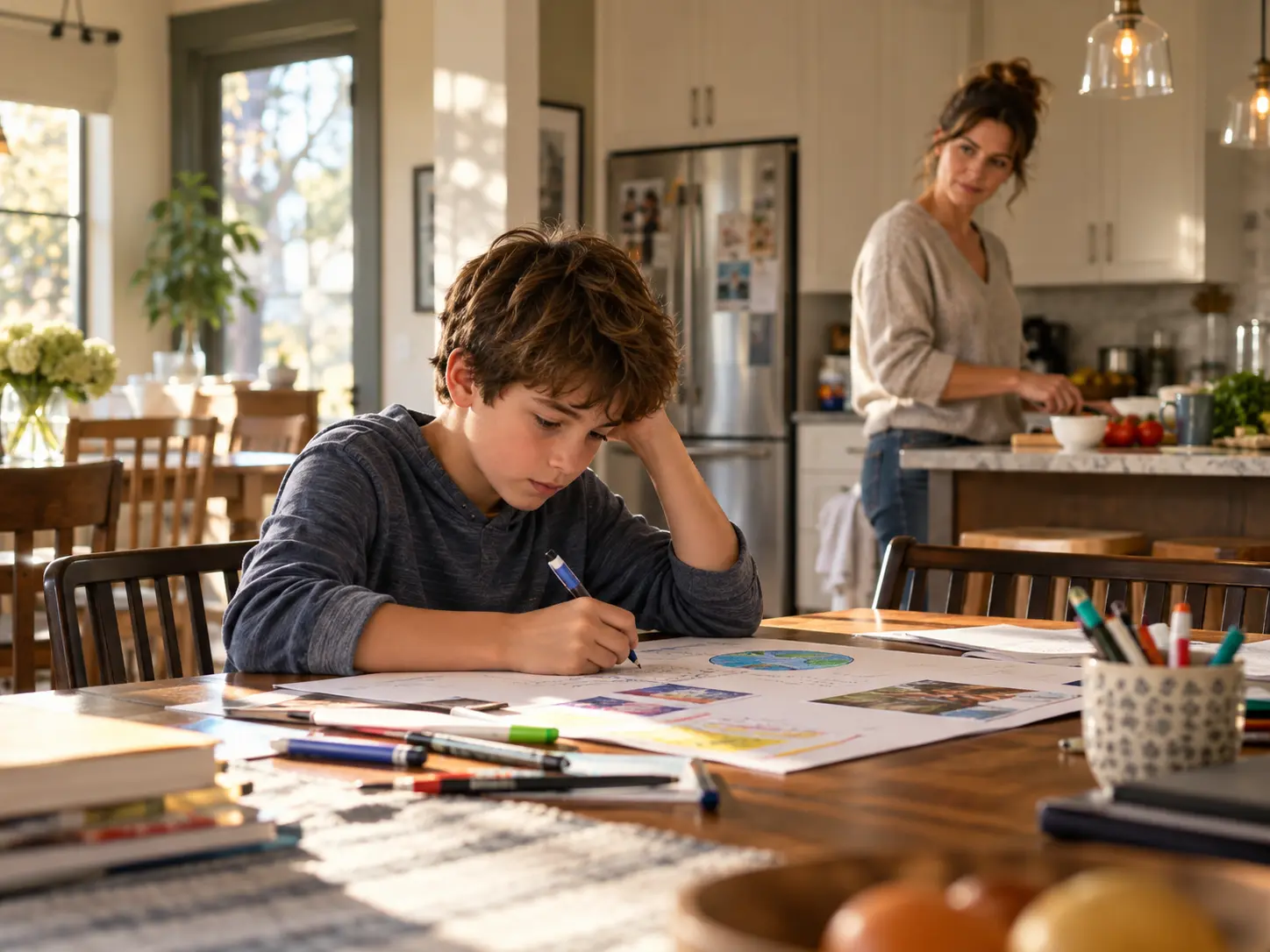
What your role starts to look like
- Asking questions instead of immediately giving answers
- Helping them name what they are feeling before trying to fix it
- Giving them room to think while staying close enough to guide
- Helping them see consequences without turning every mistake into a lecture
- Reinforcing the values and judgment you want them to carry when you are not there
The goal is not to make every decision for them. It is to help them become someone who can make better decisions when you are no longer in the room.
You Don’t Need to Become Their Teacher or Therapist
Helping your child grow does not mean turning every moment into a lesson, having all the answers, or knowing exactly what to say.
What your role does — and doesn’t — require
You don’t need to
- Deliver the perfect advice every time
- Turn difficult moments into long lectures
- Solve every problem before they have a chance to wrestle with it
- Understand every emotion before they do
What helps more
- Stay curious about what is really going on
- Ask questions that help them think for themselves
- Create space for conversations without forcing them
- Know when to guide, when to listen, and when to let experience teach
Your job is not to have every answer. Your job is to stay close enough that your child doesn't have to figure everything out alone.
The Everyday Moments Are Where Parenting Gets Hard
The hardest parenting decisions usually don't arrive as big, defining moments. They show up in ordinary situations when your child is upset, defensive, discouraged, withdrawn, or pushing back.
These are the moments that test you
- What you seeThey shut downWhat you may be wondering
“Do I give them space, or keep trying?”
- What you seeThey overreactWhat you may be wondering
“Do I correct the behavior, or deal with the emotion first?”
- What you seeThey give up too quicklyWhat you may be wondering
“Do I push them, encourage them, or let them fail?”
- What you seeThey insist they already knowWhat you may be wondering
“How do I help without turning this into another lecture?”
- What you seeThey are left out or rejectedWhat you may be wondering
“Do I step in, or let them work through it?”
- What you seeThey resist your adviceWhat you may be wondering
“How do I stay involved without making them pull away?”
Parenting gets difficult not because you don't care, but because what will actually help in the moment isn't always obvious.
What We Naturally Do Isn’t Always What Helps
When something goes wrong, most parents react from instinct: fix it, correct it, explain it, push harder, or back away. But the first response that comes naturally is not always the one that helps your child grow.
Our instincts can pull us in the wrong direction
- Push harderwhen they seem capable but are not applying themselvesGet curious firstabout what is underneath the resistance
- Repeat the lesson againbecause we have already said it a hundred timesChange the conversationso they have to think instead of just listen
- Fix the problem for thembecause we can see the answer fasterHelp them work through itwithout taking ownership of the problem away
- Back off completelybecause they say they do not want helpStay available without forcing itso independence does not become isolation
- React to the behavior firstbecause that is what we can seeLook for what is driving itbefore deciding what response will actually help
- Assume consequences will teach the lessonbecause experience should make it obviousHelp them process the experienceso the lesson does not get lost in the emotion
The goal is not to second-guess every parenting instinct. It is to become more intentional about which response the moment actually needs.
Sometimes Your Most Powerful Move Is What You Don’t Say
Not every difficult moment needs advice, correction, or a solution. Sometimes the way you help most is by making enough space for your child to think, feel, and come back to you on their own terms.
Knowing when to step in — and when to hold back
Step in
- 1Ask one thoughtful questionthat helps them slow down and think
- 2Name what you are noticingwithout telling them what they should feel
- 3Offer perspective when they are readyinstead of forcing the lesson in the moment
- 4Stay emotionally availableeven when they do not want to talk yet
Hold back
- 1Don’t rush to fill the silencejust because the moment feels uncomfortable
- 2Don’t solve the problem too quicklybefore they have had a chance to work through it
- 3Don’t turn every mistake into a teaching momentsome lessons land better later
- 4Don’t confuse space with disengagementthey still need to know you are there
Sometimes the most important thing you can give your child is not the right answer. It is the space to find their own—with you still close by.
Bloomster Is Not Just Teaching Your Child
As your child learns to handle emotions, decisions, relationships, setbacks, and pressure, Bloomster also helps you support that growth more intentionally at home.
Both sides are learning
Your child is learning to
- Recognize what they are feeling and why
- Respond more thoughtfully when emotions run high
- Work through setbacks instead of immediately giving up
- Make better decisions when pressure is real
- Understand themselves and other people more clearly
You are learning to
- Recognize what may be underneath the behavior you are seeing
- Respond in ways that build reflection instead of defensiveness
- Know when to guide, listen, question, or give space
- Reinforce the skill without turning it into another lecture
- Notice and encourage growth when it starts showing up in real life
Your child is building the skill. You are learning how to help that skill take root.
Family Time Turns Learning Into Real Life
What your child learns becomes more powerful when it has somewhere to go after the lesson — into conversations, family experiences, and the moments you are already living through together.
Help the learning travel home
- Talk about the idea laterwhen everyone is calm, and there is no pressure
It gives the lesson another chance to land without feeling like another assignment
- Connect it to something reala friendship, setback, argument, decision, or moment from the week
It helps your child see that the skill belongs to life, not just Bloomster
- Share your own experienceincluding times you got it wrong or are still working on it
It shows them that these are human skills, not just “kid problems”
- Ask what they thinkinstead of checking whether they remember the right answer
It creates reflection rather than another test
- Bring the language back naturallywhen a similar situation shows up again
Repetition helps the idea become something your family can actually use
The goal is not to keep talking about Bloomster. It is to make what your child is learning useful in the life you are already living together.
The Learning Should Show Up Outside Bloomster
The real test is not whether your child remembers the lesson. It is whether something from it shows up later when life gets messy, emotional, uncertain, or uncomfortable.

Look for the learning in real life
- When they recover from a setback instead of giving up as quickly
- When they pause before reacting in the heat of the moment
- When they handle a friendship problem with more perspective
- When they make a hard choice without needing someone to decide for them
- When they recognize what they are feeling and respond differently because of it
Progress may not look dramatic. Sometimes it is one better choice, one calmer response, or one moment when your child handles something differently than they would have before.
You Have to Protect the Time
If this development matters, it cannot live only in whatever time is left over. Your role is to give Bloomster a dependable place in the family’s week.
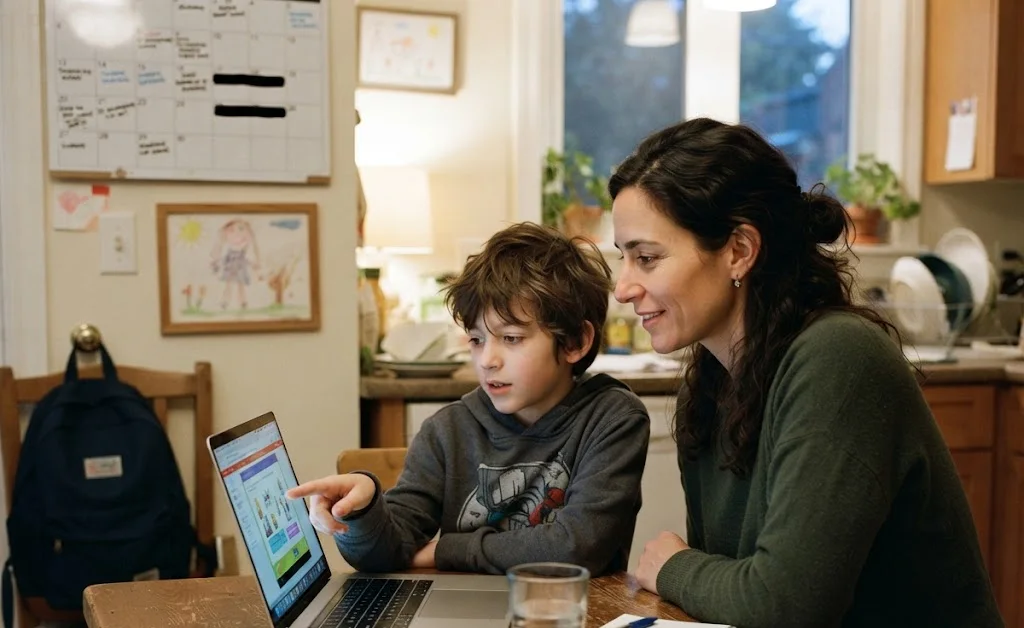
Your job is to protect family time
- Set aside two 30-minute sessions each week so your child can comfortably work through about one module
- Treat that time like soccer practice, tutoring, or another commitment you would not casually keep moving
- Protect it when homework, screens, activities, or a busy week start competing for attention
- Expect that your child may not always feel motivated—and do not make motivation the requirement for showing up
- Keep the routine steady enough that Bloomster becomes part of the week rather than something you renegotiate every time
Your child does not have to protect this time. You do. That is part of the commitment.
Consistency Matters More Than Doing It Perfectly
You do not need a flawless routine, perfect conversations, or a child who is enthusiastic every time. What matters most is that you keep coming back to the work.
What consistency actually looks like
Stay with it
- Keep the two weekly Bloomster sessions as steady as you reasonably can
- Come back after a missed week instead of deciding the routine has failed
- Keep reinforcing the learning even when progress feels slow
- Stay involved long enough for patterns to begin changing
Let go of perfect
- You do not need every conversation to go well
- You do not need your child to be engaged every single time
- You do not need to handle every parenting moment perfectly
- You do not need immediate proof that the work is “working”
The goal is not perfection. It is enough consistency for the learning to have a chance to stick.
Expect Some Resistance — It Doesn’t Mean You’re Doing It Wrong
Your child will not always want to pause, reflect, talk, or work on themselves. That resistance is part of parenting a growing child—not automatically a sign that the work is failing.
When they push back
“I don’t feel like doing this.”
Hold the expectation without turning it into a battle
“This is boring.”
Stay focused on why it matters, not whether every moment entertains them
“I already know this.”
Help them see that knowing something and being able to use it are different
“Why do I have to do this?”
Keep the bigger purpose visible even when they cannot see it yet
“Can I just do it later?”
Protect the commitment instead of renegotiating it every week
Your child does not have to understand the value of every experience before you decide it is worth protecting.
This Is Learning — Not Entertainment
Bloomster uses animation, stories, and relatable situations to make important ideas easier to engage with. But the goal is not to compete with movies, YouTube, or the entertainment your child already loves.
Engaging enough to draw them in — purposeful enough to teach
Animated characters and stories
Give your child a relatable way into situations they may recognize from their own life
Real-world scenarios
Help them think through choices before they have to make them in the moment
Questions and reflection
Move them from simply watching to actually thinking about what they would do and why
Practice and repetition
Give important skills more than one chance to take hold
An engaging learning experience
Keep their attention without allowing entertainment to become the point
Your child does not need another show to watch. They need something worth thinking about after the screen is off.
What Bloomster Asks of You
You do not need to become an expert, redesign your family life, or get every parenting moment right. But Bloomster does ask you to stay involved enough for the work to matter.
Your part of the process
What we ask of you
- Protect two Bloomster sessions each week
- Stay aware of what your child is working on
- Reinforce the learning when real-life moments give you the chance
- Stay consistent when motivation dips or progress feels slow
- Keep showing your child that this part of their growth matters
What we do not ask of you
- Become their teacher or therapist
- Deliver every lesson yourself
- Have the perfect response in every situation
- Force deep conversations every time
- Turn your home into another classroom
Bloomster provides the structure. Your role is to help make that structure part of real family life.