
Help Your Child Build Courage and Confidence When Facing Fear
Does your child avoid challenges, worry about failure, or feel overwhelmed by stressful situations? Bloomster helps kids learn how to understand fear, manage anxiety, and face challenges with confidence.
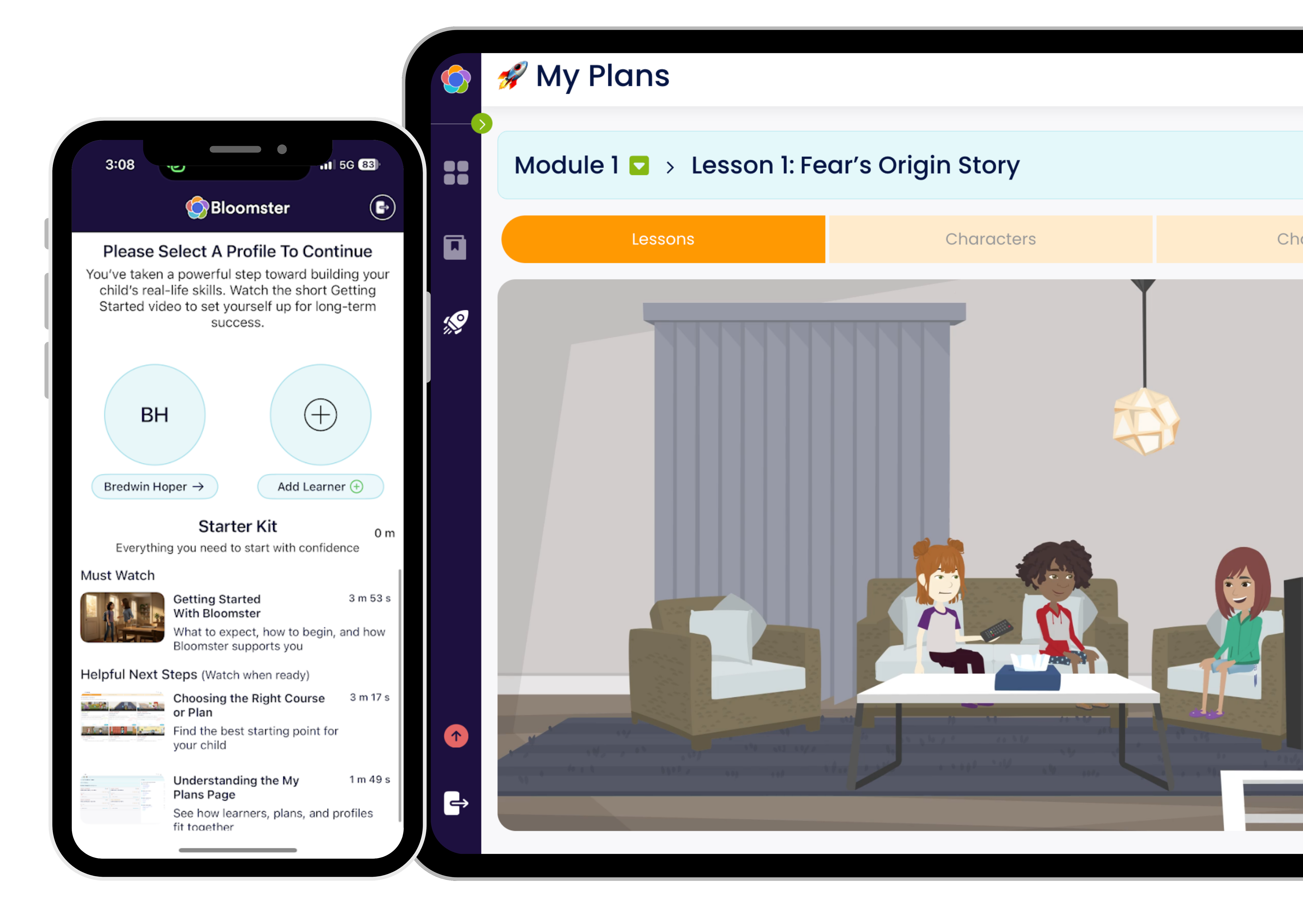

Helping Your Child Turn Fear Into Confidence
Fear is a natural emotion, especially as children grow and encounter new experiences, responsibilities, and social situations. Some kids worry about making mistakes, speaking in front of others, or trying something unfamiliar. Without guidance, these fears can lead to avoidance, frustration, or loss of confidence.
Bloomster’s Fear Management Course for Kids helps children ages 9 to 14 understand how fear works and how to respond to it in healthy ways. Designed by experts in child psychology and social emotional learning (SEL), the course teaches kids practical tools to manage fear, regulate emotions, and approach challenges with courage.
Is This Fear Management Course Right for Your Child?
Bloomster’s Fear Management Course for Kids is ideal for:
- ✓Children ages 9 to 14 who struggle with fear of failure or making mistakes
- ✓Kids who experience social anxiety or performance pressure
- ✓Children who avoid challenges or feel overwhelmed by stress

Why Learning to Manage Fear Matters
When children learn how to understand and manage fear, it changes how they approach challenges, relationships, and new experiences.
Fear management skills influence how children respond to pressure, setbacks, and unfamiliar situations. When kids develop these skills, they:
- ✓Face new situations with more confidence
- ✓Manage anxiety and strong emotions more calmly
- ✓Take healthy risks instead of avoiding challenges
- ✓Build resilience when things do not go as planned
- ✓Develop emotional awareness and self-control
Why Choose Bloomster’s Fear Management Course for Kids?
This fear management course goes beyond simply telling kids to be brave. It is a structured social emotional learning program designed to help children understand fear and build practical coping strategies.
Through guided lessons, mindfulness exercises, and real-life scenarios, children learn how to calm their bodies, reframe fearful thoughts, and take small steps toward challenges. The course helps kids develop courage, emotional awareness, and the confidence to handle fear in everyday life.
Enroll Now →
What Your Child Will Learn
This fear management course helps children build courage, emotional regulation, and resilience through practical lessons they can apply every day.

Understanding Fear
Children learn what fear is, why it happens, and how their brain and body react to stressful situations. This awareness helps them recognize fear without feeling overwhelmed.

Calming the Body
Kids practice breathing, grounding, and mindfulness techniques that help them relax their bodies and reduce anxiety during stressful moments.

Building Courage Through Action
Children learn how to approach challenges step by step instead of avoiding them. Small actions help build confidence and resilience over time.
What Your Child Will Earn in This Course
Each badge represents progress in managing fear and building courage.
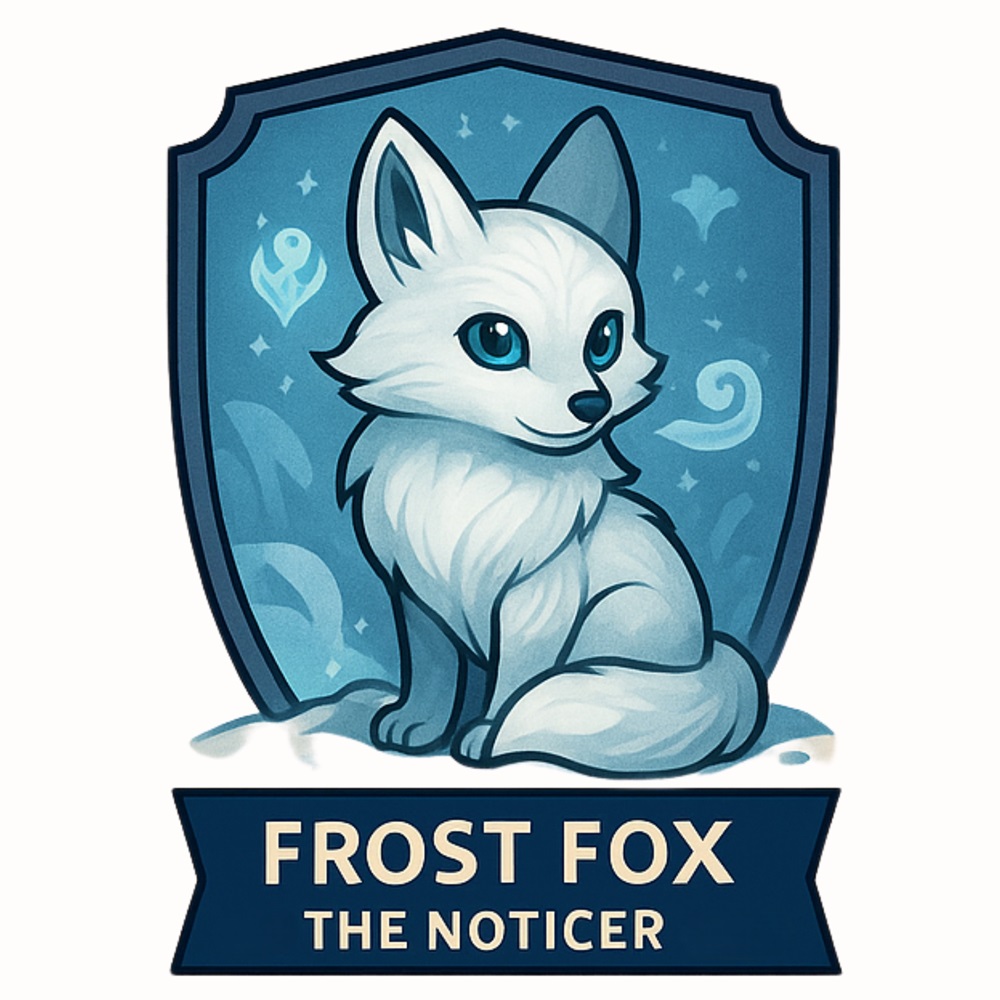
Frost Fox - The Noticer
This badge celebrates your growing ability to recognize fear in its many forms. You’ve learned that noticing fear is the first step to overcoming it.
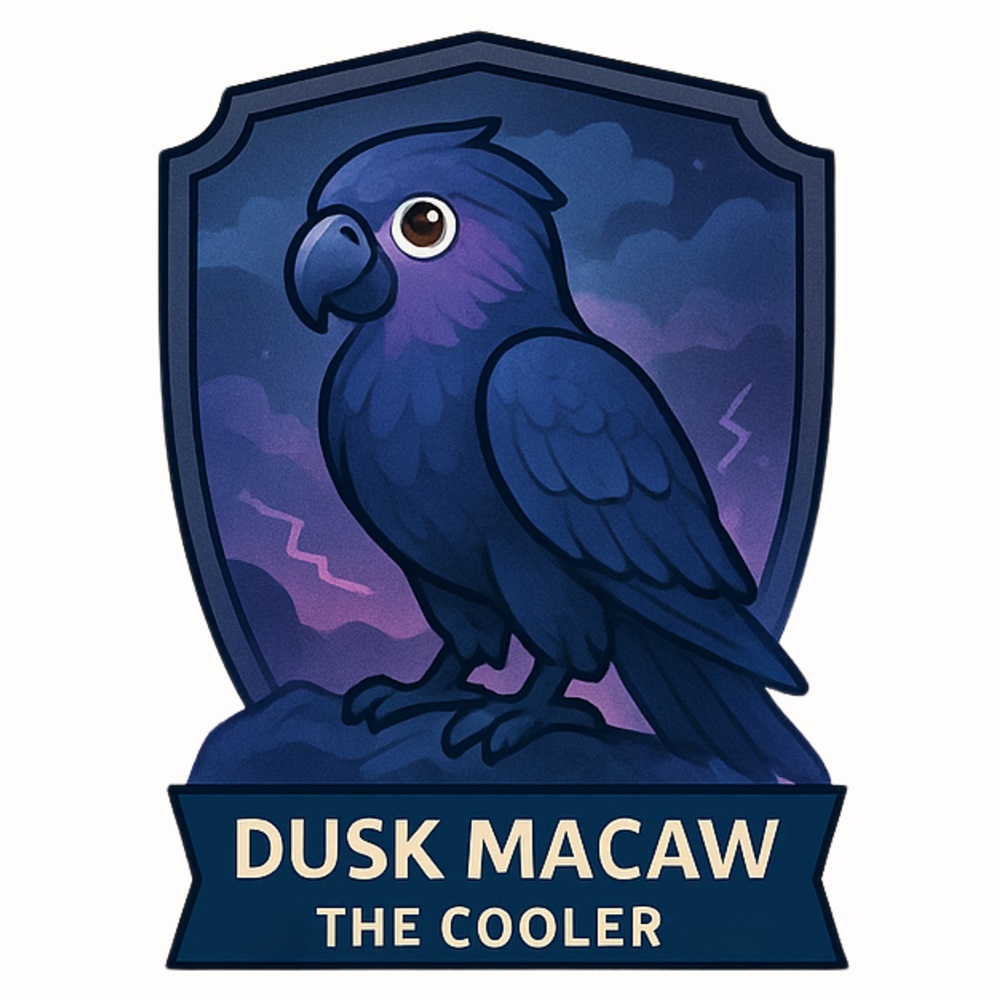
Dusk Macaw - The Cooler
This badge honors your strength in naming what scares you. Like the Dusk Macaw, you soar through uncertainty with calm. Naming fear is your first brave flight.
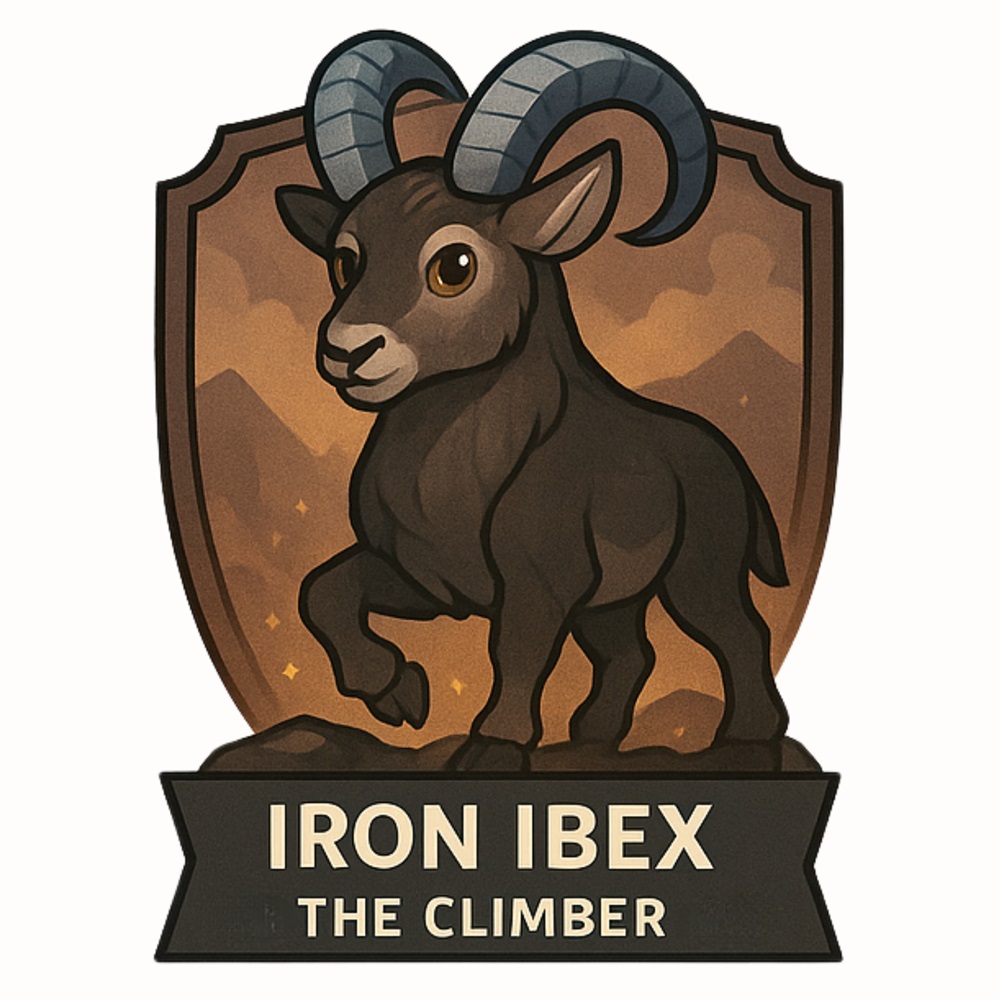
Iron Ibex The Climber
This badge honors your brave steps forward. Like the Iron Ibex, you face the rocky path without hesitation — not by rushing, but by rising, one move at a time.

Phoenix Cub - The Riser
This badge marks your transformation. You’ve risen from fear with courage and are now ready to lift others with your light.
How It Works
A simple learning path helps your child develop courage and fear management skills at their own pace.
Sign Up
Create your account, choose a plan that fits your family, and begin exploring the course right away.
Watch the Lessons
Your child will complete short, engaging lessons that explain fear, teach calming tools, and introduce practical coping strategies.
Learn & Grow
Watch your child build emotional resilience and confidence as they apply these skills at school, at home, and in everyday situations.

What Makes Bloomster Trusted by Parents?
Bloomster helps families turn everyday challenges into opportunities for emotional growth. Our fear management course is developed by educators and SEL specialists who understand how children build confidence and resilience.
- ✓Created by experts in child psychology and social emotional learning (SEL)
- ✓Practical strategies kids can use in real situations
- ✓Self-paced lessons designed for independent learning
- ✓Flexible access with cancel-anytime plans
Simple, Flexible Plans for Families
Choose the plan that fits your family and supports your child’s social emotional learning and emotional resilience.
Cancel anytime. No long-term commitment.
Individual Plan
Included Benefits:
- ✓Cancel anytime with flexible access
- ✓Access to 30+ essential life skills courses
- ✓Access for one child
Family Plan
Included Benefits:
- ✓Cancel anytime with flexible access
- ✓Access to 30+ essential life skills courses
- ✓Access for two or more children
Frequently Asked Questions
Help Your Child Build Courage That Lasts
Fear does not have to hold your child back. With the right guidance, children can learn to face challenges, manage emotions, and grow stronger with every experience.
Begin the Fear Management Journey