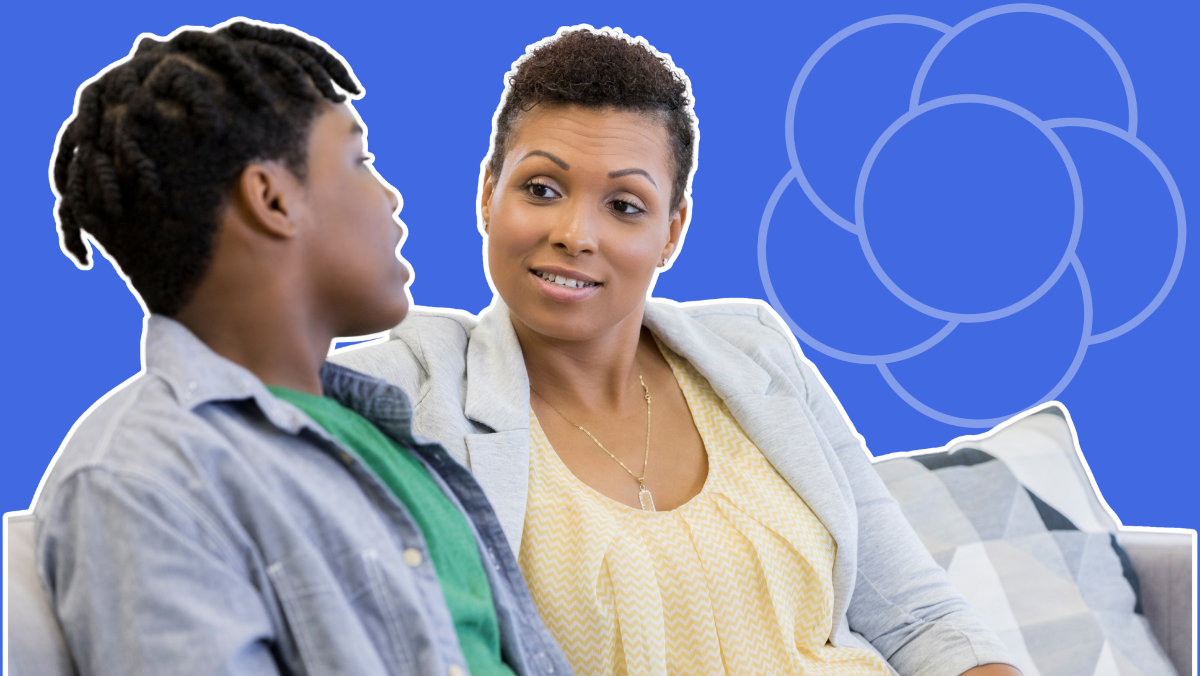
Where Tween Communication Actually Happens
(The Science of “Talk Windows”)
If it feels like your tween only talks at the worst possible times — bedtime, car rides, late at night—you’re not imagining it.
And no, it’s not random.
The Big Reframe Parents Need
Talking Is Contextual — Not On Demand
Most parents assume conversations should happen when we ask:
- “How was your day?”
- “What’s going on?”
- “Talk to me.”
But research in child development and emotional regulation shows something different:
🧠 Kids communicate best when their nervous system feels safe — not when they’re put on the spot.
These moments are called “talk windows.”
What Are Talk Windows?
Talk windows are moments when:
- emotional pressure is low
- eye contact is indirect
- the brain is already relaxed
That’s why tweens often open up:
- 🚗 in the car
- 🌙 at bedtime
- 🎨 while drawing, gaming, or cooking
- 🚶♀️ during walks
- 🧺 while doing something side-by-side
It’s not avoidance.
It’s biology + safety.
Why These Moments Work (According to Research)
Well-established findings in neuroscience and psychology show that:
- Direct eye contact + emotional questions = pressure
- Side-by-side activity = reduced threat
- Lower pressure = better access to language and reflection
In simple terms:
When kids don’t feel watched, judged, or rushed — they talk more.
Why “Just Sit Down and Talk” Often Fails
Formal, face-to-face conversations can trigger:
- performance anxiety
- fear of saying the wrong thing
- emotional overload
So when parents say:
- “We need to talk.”
A tween’s brain often hears:
- “I’m about to be evaluated.”
Silence isn’t resistance.
It’s self-protection.
How to Spot Your Child’s Talk Windows
Pay attention this week to:
- When do they suddenly start sharing?
- Where are you?
- What are you doing together?
- How intense does the moment feel?
Most parents discover:
- “Oh… this is when my kid actually talks.”
What to Say Inside a Talk Window
When a window opens, resist the urge to:
- ❌ interrogate
- ❌ fix immediately
- ❌ ask 10 follow-ups
Try these instead:
- “Thanks for telling me.”
- “Do you want ideas, or just listening?”
- “That sounds tough.”
- “We can talk more later if you want.”
These responses keep the window open.
A Small Shift That Changes Everything
Instead of asking:
- “Why don’t you ever talk to me?”
Try asking:
- “When do you talk most easily?”
That question alone often changes how parents see their child.
Try This One Thing This Week
Pick one low-pressure moment (a drive, a walk, bedtime).
Don’t plan a conversation.
Just be available.
Then notice:
- less resistance
- more sharing
- more trust
You’re not failing at communication.
You’re just learning where it actually happens.
Coming Up Next
Once parents understand when kids talk, the next question naturally follows:
Can kids actually learn the skills to talk about what they feel?
(Short answer: yes — and that’s what we’ll unpack next.)