
Why Families Choose Bloomster
Bloomster turns quick, engaging lessons into lasting skills—helping tweens communicate better, make smarter choices, and feel more confident every day.

How It Works
Simple steps. Real growth. Just 15 minutes a day.
Why We Built Bloomster
Because Life Skills Shouldn't Be Left to Chance
Children are expected to develop confidence, resilience, focus, emotional control, and good judgment on their own. Parents are expected to guide them without support. We built Bloomster to change that.
The Experts Behind Our Courses
Meet some of the educators, psychologists, and coaches shaping Bloomster's life skills curriculum
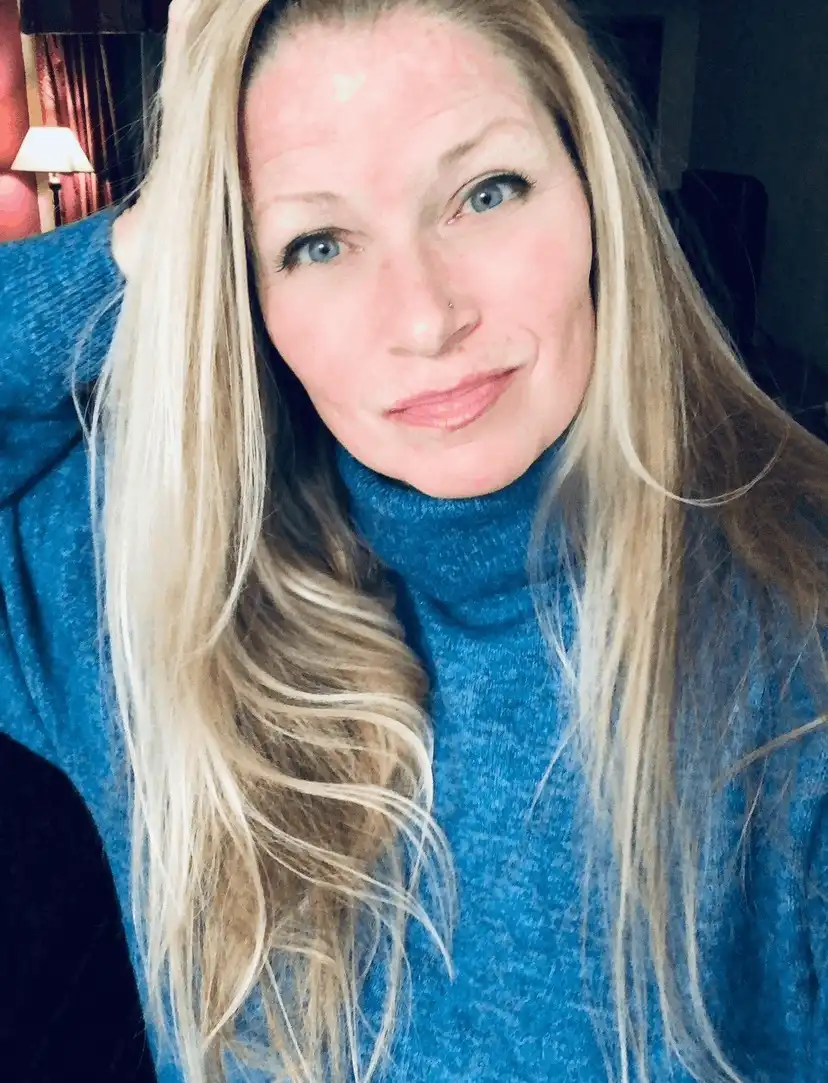
Dr. Kymberli Barker
Dr. Kymberli Barker
Dr. Barker is the mother of two fantastic young men, and they are her priority in life. She holds degrees in biochemistry, math, forensics, and psychology. She is a consultant and a professor at multiple colleges, including the Citadel, and Johns Hopkins Center for Talented Youth. She spent fifteen years in public education, prior. Her personal focus is child advocacy, and she developed the Guardian ad Litem/(GAL)/CASA program for the Eastern Band of Cherokee Indians. She is tribally and state sworn as a GAL. Her favorite thing is being a mom.
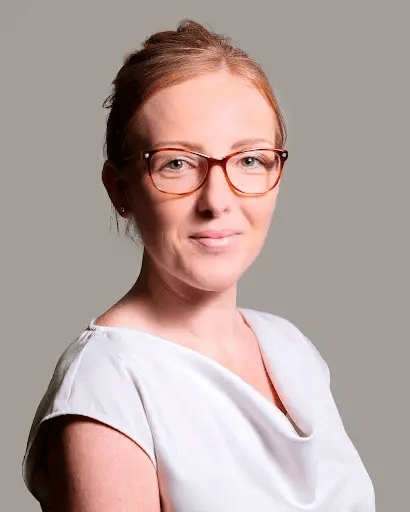
Dr. Corina Weir
Dr. Corina Weir
Dr Corina Weir has over 8 years of specialized experience in behavior change and pediatric psychology. As a former University lecturer, she has a passion for educating the next generation. Her role as a working mother of two young children provides her with firsthand knowledge of the challenges and importance of fostering skills in emotion regulation.
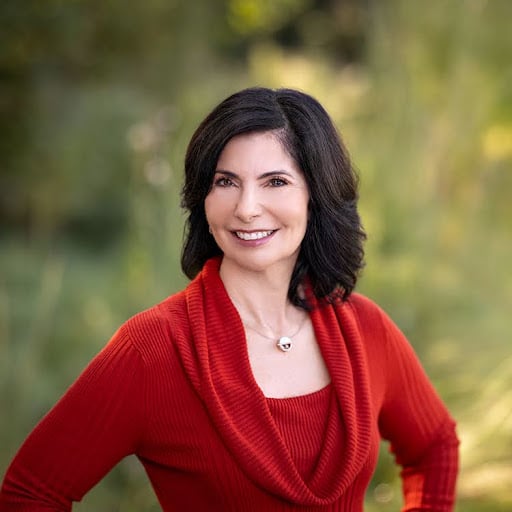
Dr. Lisabeth Medlock
Dr. Lisabeth Medlock
Dr. Medlock is a psychologist, ICF and Board Certified Coach and consultant with a mission to help people and organizations do better and be better. For 30 years she has worked with public and nonprofit organizations, beginning in middle schools developing self-competence and conflict resolution programs. She serves as an advocate, solutions finder, change agent, and resource. Her work has been featured in the Huffington Post, at TEDx, and in numerous publications.
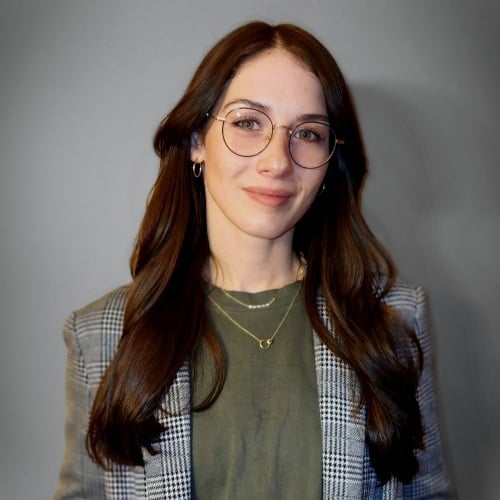
Dr. Ashley Schoener
Dr. Ashley Schoener
Dr. Ashley Schoener is a postdoctoral fellow in clinical neuropsychology. She earned her PhD in Counseling Psychology from Ball State University, her master's degree in counseling from the University of North Dakota, and her bachelor's degree in psychology from Bloomsburg University of Pennsylvania. She has worked in a variety of behavioral health settings and has clinical experience working with individuals across the lifespan. She has also conducted research, co-authored peer-reviewed publications, and presented at national conferences. However, she always had an interest in teaching and a passion for providing education to the public about her particular areas of expertise. Her areas of interest broadly include affective neuroscience, cognition, and brain-behavior relationships. As such, she has plenty of knowledge to share on a range of topics. She believes learning is most effective when you are able to engage with the learning process, and this does not always have to feel like work. Her goal is to give you the opportunity to learn about some important new skills with a different approach than you're used to! Courses have been developed for the purpose of education, in collaboration with screenwriter, Anthony Crutcher, and artist, Dennis Di Lorenzo. We are very excited to share our courses with you and hope you are able to learn something new from each one you complete!
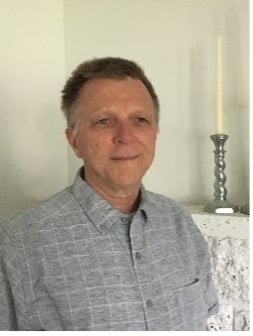
Dr. Jim Dolson
Dr. Jim Dolson
Dr. Jim Dolson, EdD, is an accomplished business leader deeply devoted to education at all age levels. With extensive experience across diverse industries and unwavering dedication to teaching, he is the ideal person to develop an outstanding curriculum tailored to middle-school students. As a parent himself, Dr. Dolson understands at a personal level the significance of engaging and impactful learning experiences. His expertise as an instructor at multiple universities highlights his ability to inspire minds and bring out their full potential. Driven by a genuine passion for education, Dr. Dolson excels at creating a well-rounded curriculum that challenges and nurtures students' growth. His successful tenure as a K12 Superintendent reflects his commitment to fostering confident and academically empowered individuals. Families can trust Dr. Dolson's expertise to provide an exceptional educational journey for students, ensuring they receive the best possible learning experience that prepares them for a successful future.
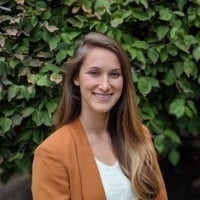
Lauren Hudak
Lauren Hudak
Lauren Hudak is an educator with over eight years of experience. After graduating from the University of Virginia with degrees in English Literature and Media Studies, she went on to get her Masters in Teaching from New York University. Lauren has worked with all ages of students from Pre-K through college, but she thrives when working with middle schoolers. She believes this is the perfect age to integrate mindfulness, technology, and social emotional learning into student learning objectives. She wants to help students conquer their fears and build a better world. When she's not teaching, Lauren loves being outdoors, traveling and spending time with her family.