For elementary, middle and secondary schools
A Schoolwide SEL Program That Fits Your Day
Support student emotions, behavior, and decision-making with a practical social emotional learning curriculum designed for real classrooms.
Ready-to-use lessons. No prep. Flexible scheduling.
Why schools are prioritizing SEL in education
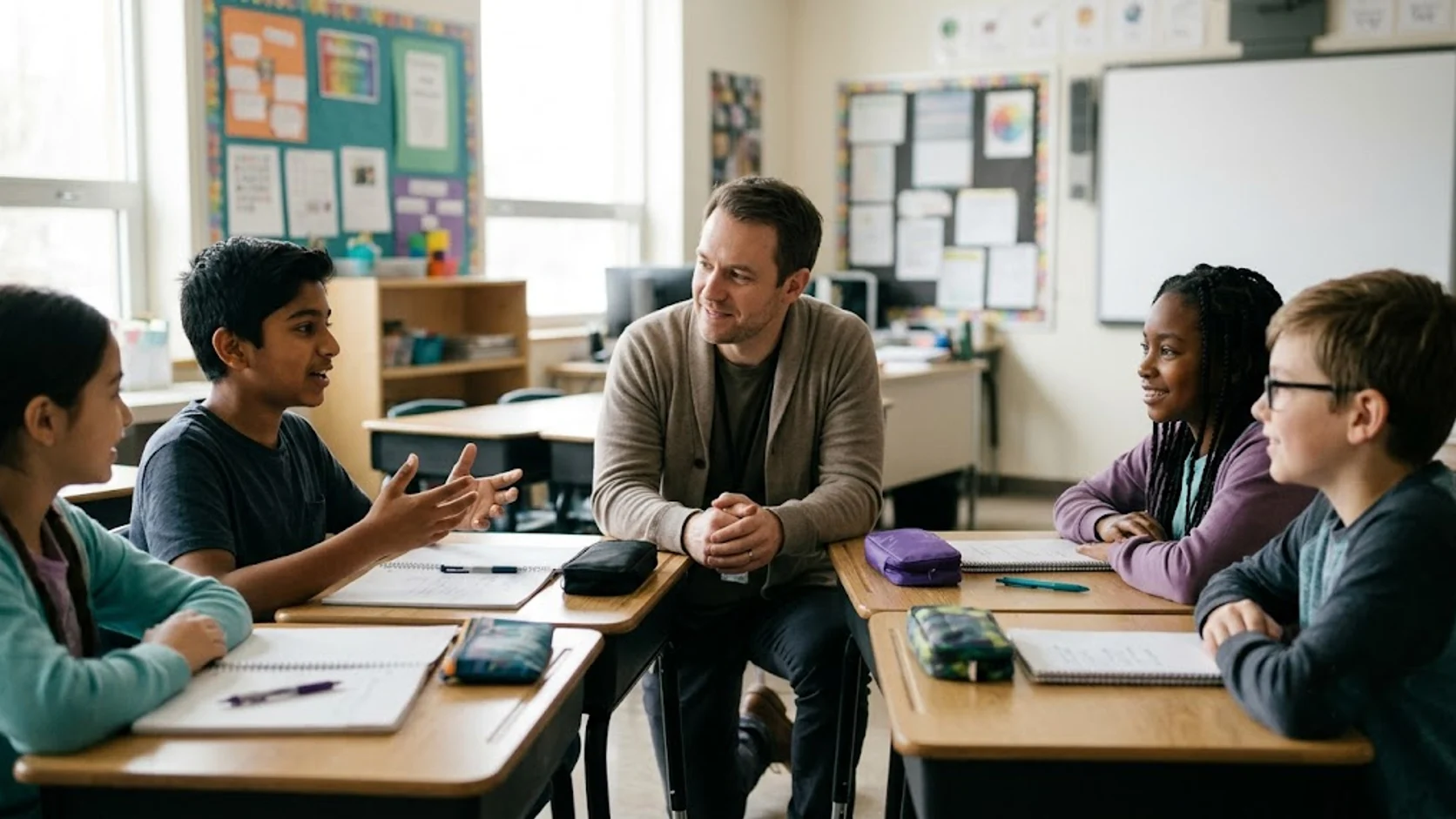
Academic success alone is no longer enough. Schools are increasingly asked to support emotional regulation, behavior, relationships, and decision-making alongside instruction.
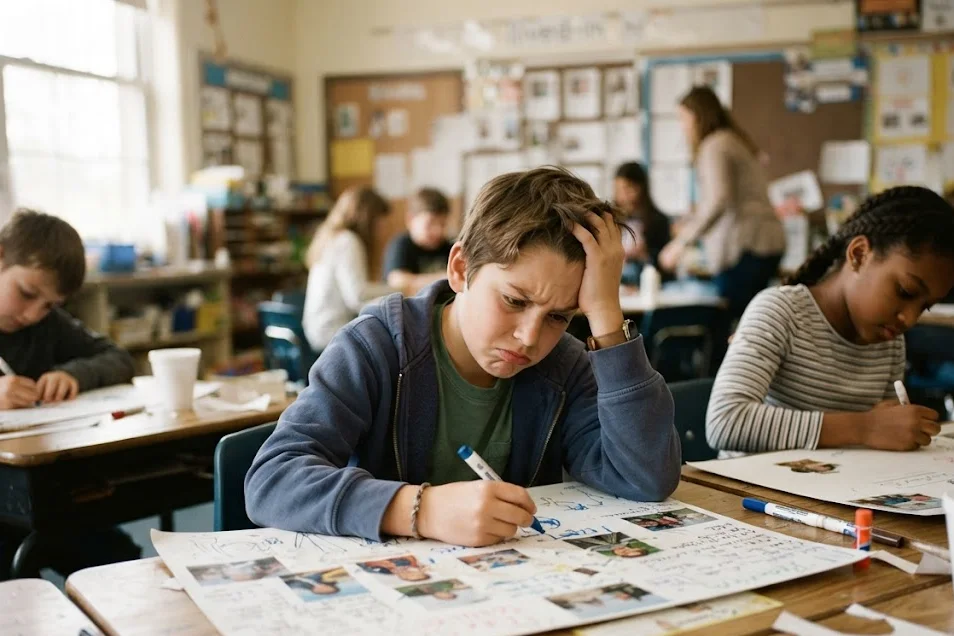
Educators often see
- Increased emotional dysregulation and classroom disruptions
- Difficulty with peer relationships and conflict
- Low confidence, anxiety, or disengagement
- Limited time or resources to implement SEL effectively
A strong schoolwide SEL program helps schools address these challenges proactively and consistently, rather than reactively.
A schoolwide SEL curriculum that actually works
Bloomster is a complete social emotional learning curriculum for schools, designed to be implemented consistently across classrooms, grade levels, or student groups. The core SEL competencies it covers:
Self-Awareness
Students learn to recognize emotions, thoughts, and reactions in everyday situations.
Self-Management
SEL lessons support emotional regulation, focus, impulse control, and stress management.
Social Awareness
Students develop empathy, perspective-taking, and respect for others.
Relationship Skills
Through guided SEL activities, students practice communication, collaboration, and conflict resolution.
This is not a collection of one-off SEL activities.
Why educators trust this SEL program
Six things schools tell us matter most when they choose an SEL program.
Zero Prep Required
Ready-to-teach SEL lessons. Teachers log in and facilitate without planning or materials.
Impactful, Student-Led Learning
Short video-based lessons encourage reflection, discussion, and internalization.
Academic and Life Skills Support
SEL instruction reinforces focus, behavior, and classroom engagement.
Connects School and Home
Parents stay informed and can reinforce SEL skills beyond the classroom.
Actionable Progress Tracking
Clear dashboards show participation and growth over time.
Designed for Teachers
Teacher-co-designed with built-in supports to save time and reduce workload.
Created with experts. Built for teachers. Focused on real outcomes.
What students learn through this SEL program
By participating in Bloomster’s social emotional learning program, students practice skills they use in class, with friends, and at home.
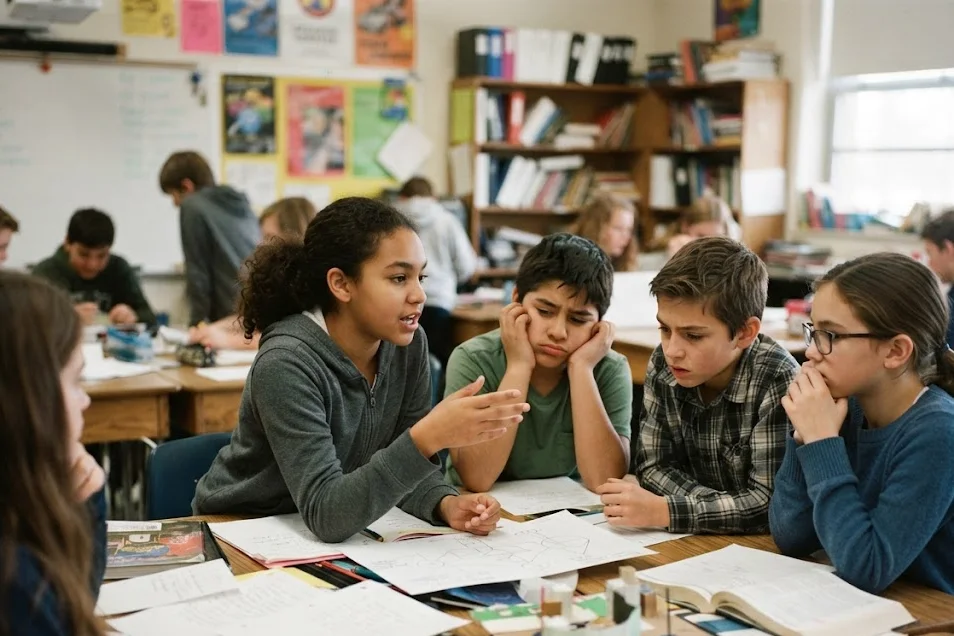
Students learn how to
- Manage emotions during stress or conflict
- Communicate clearly and respectfully
- Build healthy peer relationships
- Make responsible decisions in school and beyond
- Develop confidence and resilience over time
These skills support behavior, engagement, attendance, and overall school climate.
How the SEL program works in schools
Short lessons that fit the school day you already have, without extra planning.
- 1
Short, structured lessons
Each SEL lesson is delivered through engaging, age-appropriate videos that require no prep.
- 2
Flexible scheduling
Use during advisory, SEL blocks, homeroom, small groups, after-school programs, or intervention time.
- 3
Minimal teacher load
Lessons are plug-and-play. Teachers facilitate without creating materials or redesigning schedules.
- 4
Visible progress tracking
Schools can track student participation and growth through clear dashboards and insights.
Designed for schoolwide implementation
Start with one classroom or bring SEL to the whole school. The same lessons work at every scale.
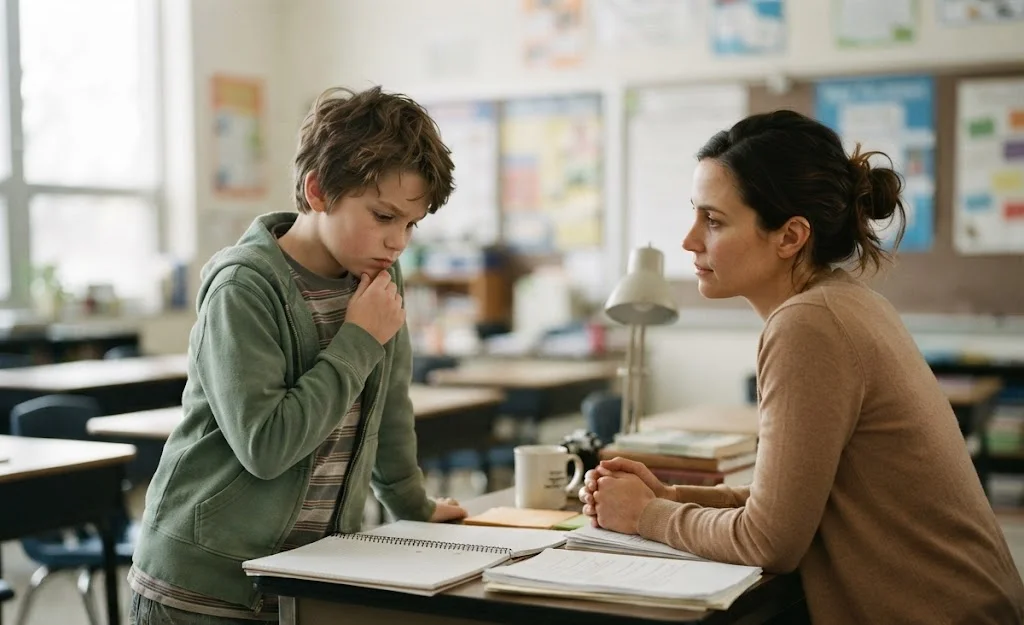
Bloomster’s SEL curriculum for schools works across
- Individual classrooms
- Grade-level teams
- Small groups or interventions
- Whole-school SEL initiatives
Schools can implement gradually or schoolwide, depending on needs and capacity.
SEL programs available for schools
Schools can choose structured SEL pathways based on their goals, one for each grade from 5 to 8.
- Grade 5
Foundations
- Self-awareness
- Emotional regulation
- Communication and empathy
- Healthy friendships and safety
- Grade 6
Habits
- Attention and impulse control
- Learning habits and motivation
- Goal-setting and follow-through
- Teamwork and analytical thinking
- Grade 7
Strength
- Self-confidence and identity
- Courage and resilience
- Conflict navigation
- Leadership and positive influence
- Grade 8
Readiness
- Responsible decision-making
- Problem-solving and judgment
- Financial and digital literacy
- Stress regulation and emotional closure
Each pathway builds on the one before it, so skills grow with students from grade to grade.
Built for educators, backed by research
Bloomster’s social emotional learning programs are developed with the people who use them every day.
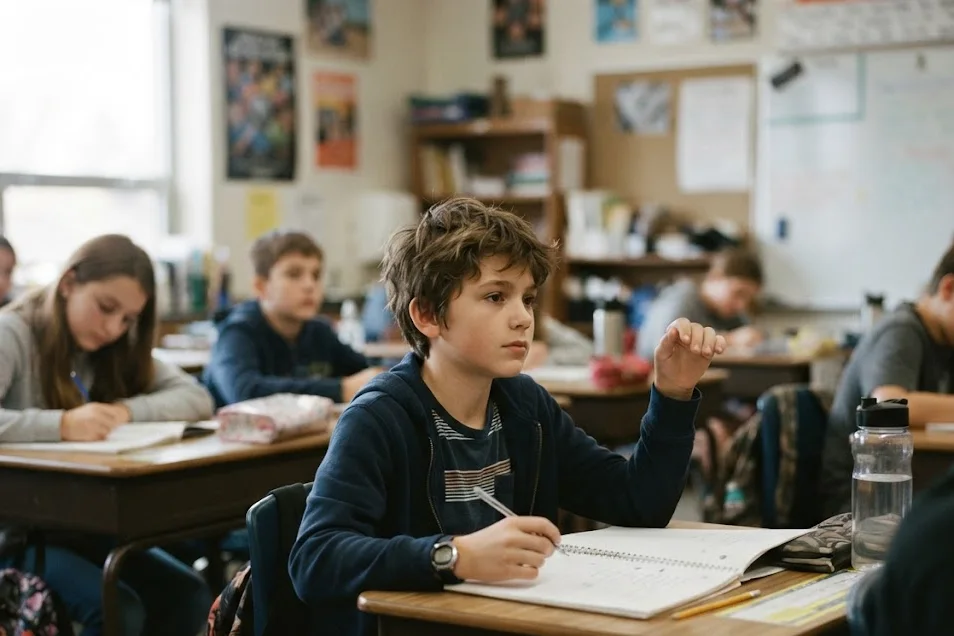
Bloomster’s SEL programs are
- Developed by educators and child development professionals
- Aligned with established SEL competencies
- Designed for practical classroom use
- Easy for teachers and administrators to adopt
The focus is consistency, simplicity, and impact, not additional workload.
Questions schools often ask
How the program fits your schedule, your framework, and your teachers.
What is a social emotional learning program for schools?
A social emotional learning program for schools is a structured curriculum that teaches students how to understand and manage emotions, build healthy relationships, and make responsible decisions alongside academics. Rather than isolated activities, a strong SEL program provides consistent lessons that support emotional regulation, behavior, communication, and confidence across the school day.
How does this SEL program fit into a school day?
The program is designed to fit easily into existing schedules. Schools typically use lessons during advisory periods, SEL blocks, homeroom, small-group sessions, or flexible learning times. Each lesson is short and self-contained, allowing schools to integrate SEL without changing core academic instruction or adding extra workload.
Is this aligned with SEL frameworks?
Yes. The curriculum supports core SEL competencies commonly used in education, including self-awareness, self-management, social awareness, relationship skills, and responsible decision-making. These competencies align with widely recognized SEL frameworks and are designed to support student development across grade levels.
Does this replace our current SEL curriculum?
It can be used either way. Some schools adopt it as a primary SEL curriculum, while others use it to supplement existing SEL programs. The flexible structure allows schools to integrate lessons where they see gaps or reinforce skills already being taught.
Is teacher training required?
Minimal training is needed. Lessons are ready to use and include built-in facilitation guidance. Teachers are not required to design materials, create lesson plans, or complete extensive training before implementation.
What are examples of SEL activities used in schools?
Examples of SEL activities include emotion recognition exercises, guided reflection, discussion prompts, short mindfulness practices, communication scenarios, and decision-making exercises. These activities help students practice real-life skills such as calming down during stress, resolving peer conflict, or expressing emotions appropriately.
What are the 5 components of SEL?
The five core components of social emotional learning are self-awareness (understanding emotions, strengths, and challenges), self-management (regulating emotions, behavior, and stress), social awareness (showing empathy and understanding others), relationship skills (communicating clearly and resolving conflict), and responsible decision-making (making thoughtful, ethical choices). Effective SEL programs help students practice all five components consistently.
What are the 5 fundamentals of SEL?
The fundamentals of SEL focus on helping students understand emotions, manage reactions and stress, build positive relationships, communicate effectively, and make responsible choices. These fundamentals support both academic success and long-term emotional wellbeing.
Bring SEL to your school without adding more to your plate
Bloomster makes social emotional learning in schools practical, consistent, and sustainable. Support student growth while protecting teacher time and classroom flow.
A short call is all it takes to see how Bloomster fits your school.