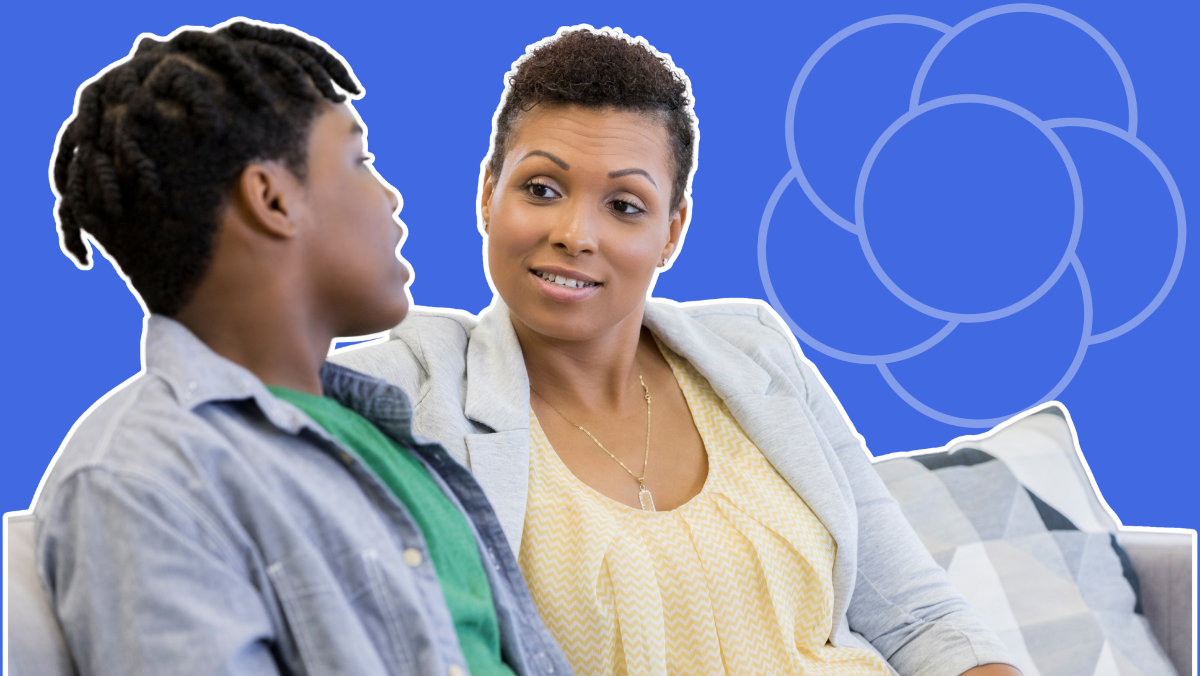
Why Your Tween Goes Quiet When It Matters Most — And What They're Actually Trying to Say
TL;DR:
Your tween isn't shutting you out. They're stuck in the gap between what they feel and what they know how to say. That gap is a skill — and it's one you can help build.
The Moment You Already Know Something Happened
You could tell before they said a word.
The way they dropped their bag. The particular flatness in "fine." The door that closed a little too deliberately.
You asked how their day was. You got a shrug. You asked if something happened. You got nothing. And now you're on the other side of that silence, knowing something is going on, not knowing how to reach it.
This is one of the most quietly painful parts of parenting a tween — not the closed door itself, but the confusion underneath it. The wondering whether you've lost something, or done something, or whether this is just who they are now.
It isn't. And the silence means something different from what it looks like.
What's Actually Happening
Going quiet isn't withdrawal. It's almost always a skill gap.
Here's what research consistently shows: tweens experience emotions at full adult intensity before they have anywhere near adult-level ability to name, process, or express them. The feeling arrives fast and large. The language for it lags behind.
So when something hard happens — a friendship wobble, a moment of humiliation, a day that just went wrong — your tween feels all of it. And then they look for words, and the words aren't there yet. Or the words feel too big to say out loud. Or they've learned, from past experience, that saying the thing creates more to manage — more questions, more concern, more emotion in the room — so they carry it quietly instead.
None of that is about you. All of it is addressable.
What Actually Opens the Door
Not more questions. Not persistent checking-in that signals urgency. What opens the door is presence without pressure.
Try this: "You don't have to talk about it. I'm just here."
Said once. Not repeated. And then you do something nearby — make tea, sit on the couch, fold something — and you let the silence be okay.
What you're doing is removing the performance requirement from the conversation. Your tween doesn't have to produce the right words or the right amount of emotion. They just have to sit with someone who isn't alarmed by their quiet.
And when the talking starts — often sideways, often later — try this instead of a question or a solution: "That sounds hard. Tell me more."
Four words that signal you're here for the experience, not the resolution.
Bloomster's Conflict Resolution Foundations course works through exactly this with tweens directly — specifically the gap between feeling something and being able to communicate it — so that the skill your child is building from the inside matches what you're creating from the outside.
Try This Before Next Monday
The next time your tween comes home carrying something they won't name, sit near them — alongside, not across — and say: "You don't have to talk. I just wanted to be close to you."
Then wait. The door doesn't open on demand. It opens when the moment feels safe enough.
You're not waiting for a conversation. You're building the conditions that make future conversations possible. That's the work — and you're already doing it. 💛
Coming up next week: When friendships get complicated and your tween won't tell you what happened — what they actually need from you in those moments, and what tends to make it harder even with the best intentions.