
Don't Wait: Create!
Your Child Has Ideas Worth Building. Creativity Turns Them Into Something Real.
Help your child generate ideas, solve real problems, test and improve their work, and share it with confidence.
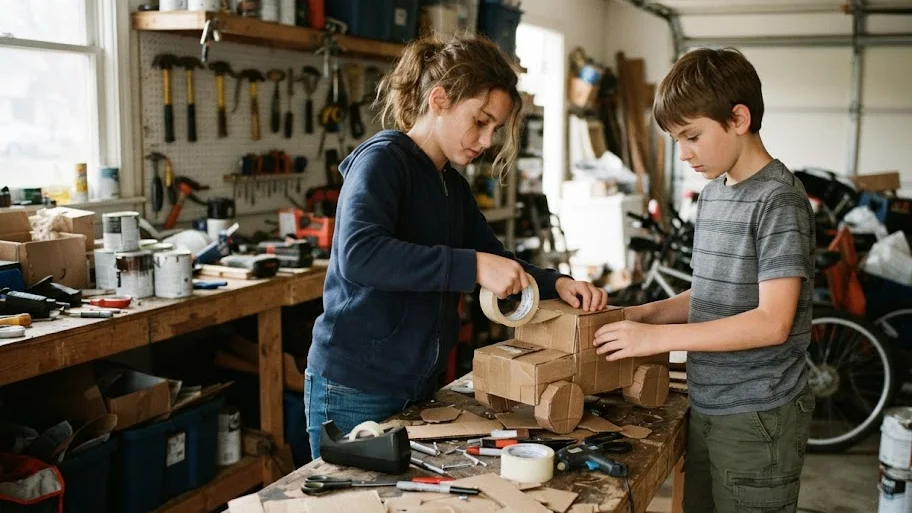
- 4Core Modules
- 36Lessons & Exercises
- 12Developmental Subskills
- 1Learning Program
Why Do Good Ideas Never Get Started?
Your child dreams up an invention or project, then never begins, or quits after the first try fails. Often it isn't imagination. Creating takes skills they haven't practiced.
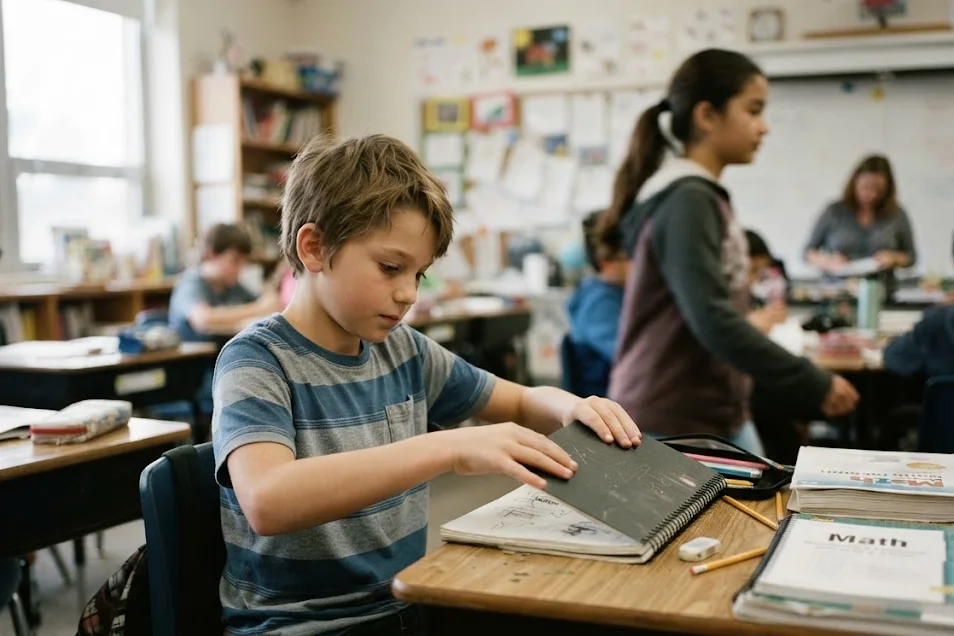 Fear of Judgment
Keeping Ideas Hidden
- Worry about looking silly keeps ideas private.
- They wait for the "perfect" idea before starting.
- Comparing to others makes their work feel small.
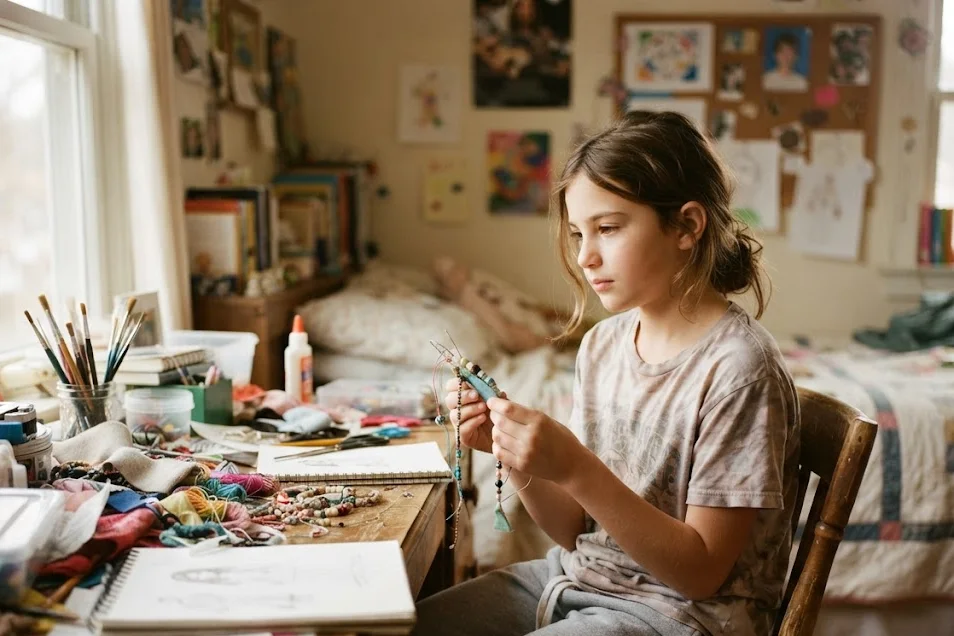 No Plan
Excited, Then Stuck
- Big ideas don't come with first steps.
- Projects stall without a plan or deadline.
- Many ideas start, few get finished.
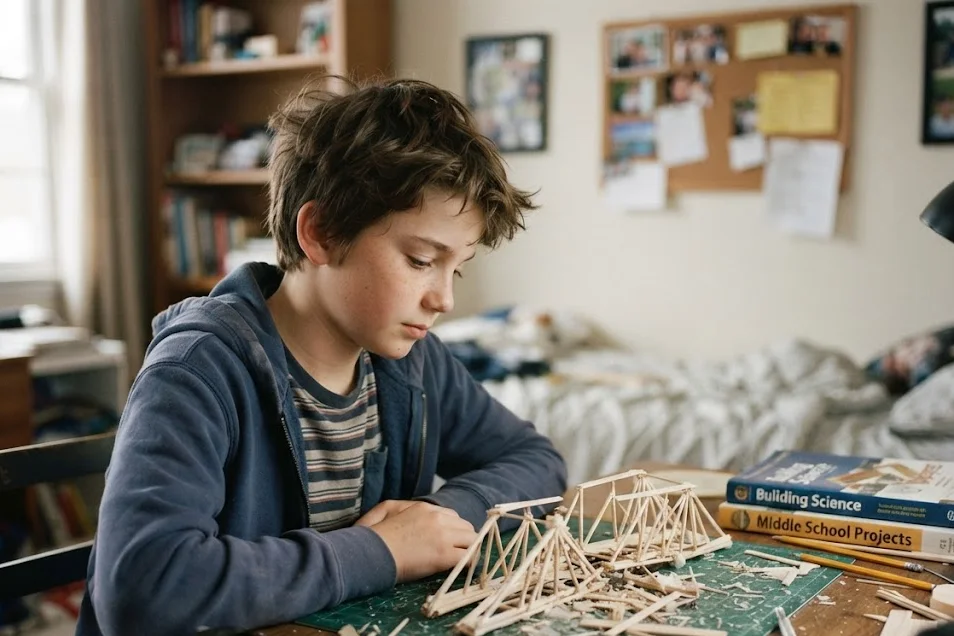 First Try Fails
Giving Up After One Attempt
- When a prototype breaks, it feels like failure.
- Feedback can sting more than it helps.
- They don't yet see iteration as part of creating.
Creativity isn't a gift only some children have. It's a process that can be learned, practiced, and strengthened with every project.
Why Creativity Matters More as They Grow
As children grow, they meet more problems without ready-made answers. Creative thinking helps them imagine solutions and act on them.
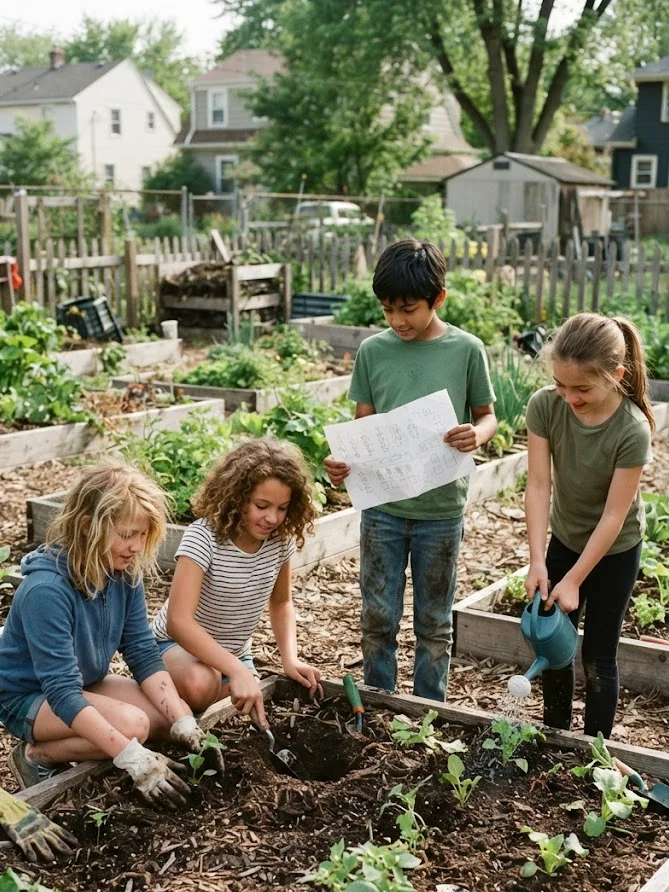
Open Problems Are Everywhere
- School rewards original thinking. Projects, science fairs, and presentations ask children to come up with ideas, not just answers.
- Their community needs ideas. Young people can spot local problems and design solutions that make a real difference.
- The future values creativity. Employers rank creative thinking among the most important skills for the years ahead.
- Failure is part of it. Testing, getting feedback, and improving teach resilience in a way few other activities do.
- Creativity isn't only art. It's also solving problems, building things, starting projects, and improving how things work.
The goal isn't a child who always has brilliant ideas. It's one who starts, tests, improves, and keeps creating.
What Don't Wait: Create! Helps Your Child Develop
Creativity isn't one talent. The course breaks it into specific capabilities children can understand, practice, and strengthen through real projects.
Generating Ideas Freely
Brainstorm and map ideas without fear of judgment, then explore the most promising ones.
Solving Community Problems
Spot real problems around them and design solutions that help others.
Treating Mistakes as Part of Creating
See failed attempts as learning, and keep improving instead of giving up.
Choosing Which Ideas to Pursue
Evaluate ideas with feedback and critical thinking to decide what's worth building.
Planning a Project
Turn an idea into a step-by-step plan, then adjust when things don't go as expected.
Each capability supports the others: generating ideas, choosing well, and planning carefully help children turn imagination into something real.
Inside the Course — Four Modules, From First Idea to Innovator's Mindset
The course follows the creative process through a science fair, a product pitch, and social innovation, and ends with the mindset that keeps innovators going.
- 01
A Science Fair to Remember
The creative process from idea to finished project.
- Understand the creative process, from generating ideas to testing and refining.
- Practice brainstorming and idea-mapping techniques.
- Strengthen ideas through feedback and critical thinking.
- Plan, carry out, and adjust a project when things change.
- 02
Product Pitch and Prototyping
Turning everyday problems into product ideas.
- Identify everyday problems and turn them into product ideas.
- Conduct simple market research to learn what people need.
- Use prototyping and feedback to test and improve designs.
- Develop a persuasive pitch that gets others excited.
- 03
Innovation for Your Generation
Creating change in their community.
- Recognize the power young people have to drive social innovation.
- Research social issues that affect their community.
- Apply design thinking to create sustainable solutions.
- Reflect on strengths and interests to find where they can contribute.
- 04
An Innovator's Mindset
Resilience, feedback, and collaboration.
- Understand how neuroplasticity and resilience support innovation.
- See challenges as opportunities to learn rather than reasons to quit.
- Give and receive constructive feedback with an open mind.
- Help build a supportive environment where peers feel safe to try.
Course structure
- 4Modules
- 32Instructional Lessons
- 9Practice Activities
 Course badgeStar Jackal — The Unleasher
Together, the modules move children from having ideas to building and sharing them, with the resilience to keep improving.
From Learning to Real Life — How Your Child Practices Creativity
Imagining an invention is fun. Building it, watching it fail, and trying again takes practice, reflection, and real projects.
 01Learn
Understand the Creative Process
- Watch short animated lessons that follow young creators.
- See characters brainstorm, prototype, and pitch ideas.
- Discover tools like idea-mapping and design thinking.
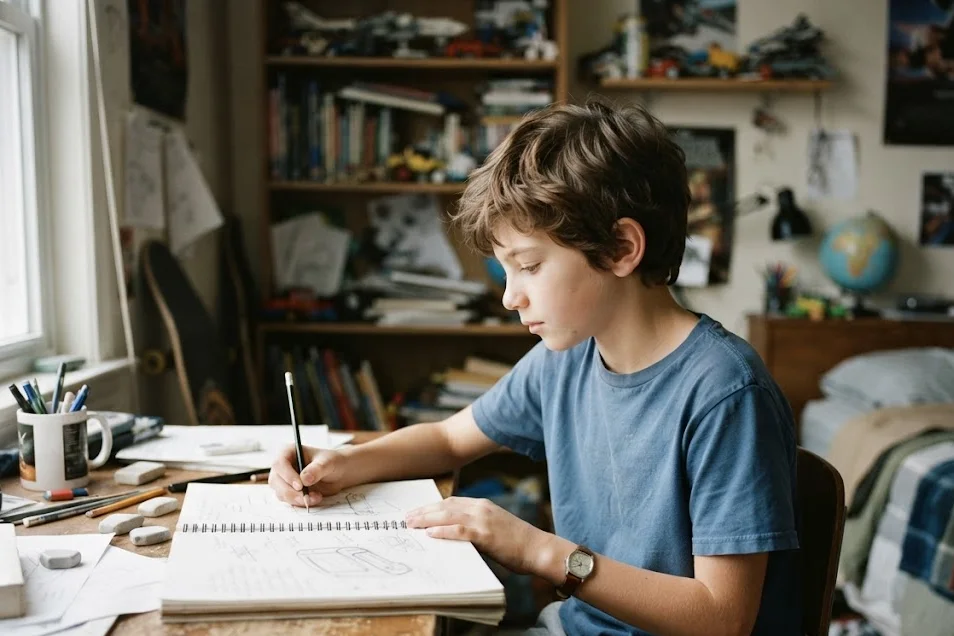 02Practice & Reflect
Shape the Idea
- Work through scenario-based Try Its where available.
- Choose an idea and plan the first steps.
- Reflect on their creative work in module exercises.
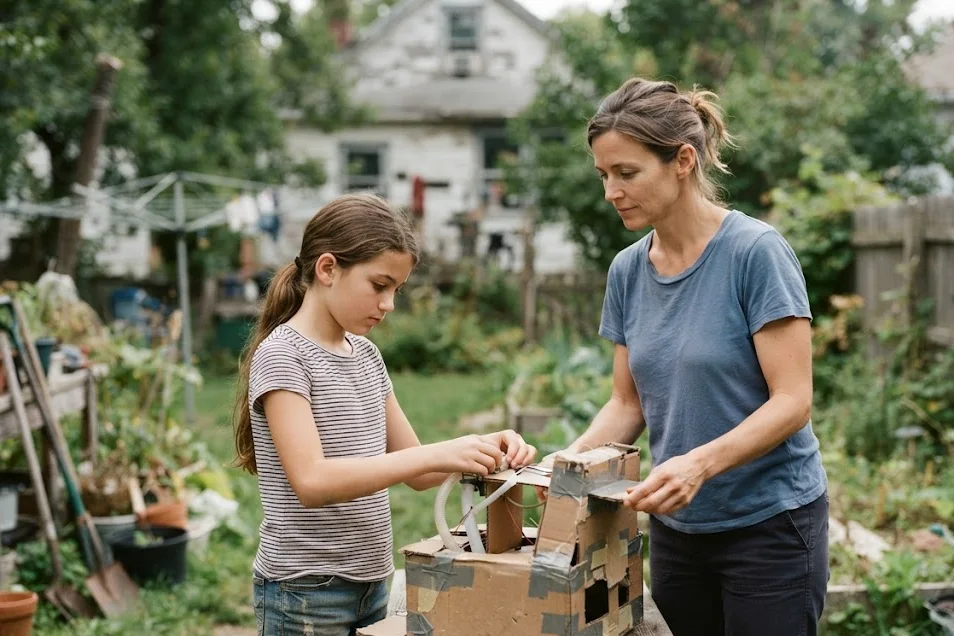 03Apply
Create Beyond the Screen
- Build a simple prototype from household materials.
- Ask two people for feedback and make one change.
- Pitch an idea to family in one minute.
- Talk with a parent about what they'd try next.
Success isn't a perfect first try. It's starting, testing, and improving, again and again.
What Research Tells Us About Creativity, Practice & Teams
Researchers have studied whether creativity can be taught and what helps groups create. These findings describe general patterns, not guarantees for any child.
- Creativity Can Be Taught
Training builds creative thinking.
- A review of about 70 studies found creativity training generally works.
- The most effective programs taught a clear creative process with practice.
- Most of the studies predate 2001.
- Valued for the Future
Employers prize creative thinking.
- The World Economic Forum's 2025 report surveyed over 1,000 employers.
- Creative thinking ranked among the top core skills employers seek.
- This reflects employer views, not a measure of any child's future.
- Safe to Try
Teams learn more when it feels safe.
- A study of 51 work teams examined how safe people felt taking risks.
- Teams that felt safe to speak up showed more learning behavior.
- The study involved adult workplace teams.
The evidence points to practice and support: creativity grows with a clear process and an environment where trying is safe. Don't Wait: Create! is built around that approach, without promising guaranteed results.
Why Don't Wait: Create! Closes the Strength Program
In the Strength Program, the course comes last. It brings together confidence, courage, resilience, and leadership in creative action.
Why It Comes Last
- It builds on leadership. After Building Leadership Skills, children use initiative and responsibility to start their own projects.
- It uses every earlier skill. Confidence, courage, and resilience from earlier courses make it easier to share ideas and keep going after failures.
- It turns growth into action. Creating something real gives children a chance to see what they're capable of.
- It looks outward. Social innovation connects personal strength to making a difference in their community.
The Strength ProgramCourse 7 of 7
- 1–4Four Earlier CoursesConfidence · Courage · Resilience · Social Awareness
- 5Conflict Resolution FoundationsNavigating Disagreements
- 6Building Leadership SkillsLeadership & Initiative
- 7This CourseDon't Wait: Create!Creativity & Personal Agency
The course isn't a standalone fix. It's the final step in a longer sequence that gives creative confidence time to grow.
Frequently Asked Questions About Don't Wait: Create!
Practical answers about what your child will learn, what the course asks of your family, and how it fits into Bloomster's programs.
Who is Don't Wait: Create! designed for?
It uses everyday situations relevant to children roughly 9 to 14. It is the seventh and final course in the Strength Program, which is designed around ages 11–13. What your child is interested in, like building, inventing, or starting projects, matters more than an exact age.
What will my child learn in this course?
Children follow the creative process from brainstorming to testing and refining. They learn market research, prototyping, user-centered design, and pitching, explore social innovation in their community, and build the resilience and feedback skills innovators rely on.
My child isn't artistic. Is this course still for them?
Yes. The course treats creativity as problem-solving and building, not only art. Children design products, solve community problems, and improve ideas through testing. Many children who don't think of themselves as creative discover they are.
How long does the course take?
Your child moves at their own pace. The four modules contain 32 short animated lessons, 9 practice activities, and a module exercise at the end of each. Inside the Strength Program, courses are spaced across roughly a year, which gives this one several weeks to settle into daily life.
How much time should my child spend on it each week?
We suggest two 30-minute learning sessions each week, with time between them to try a small project. Simple materials from around the house are enough. If a week gets missed, simply pick up again.
Do I need to be involved as a parent?
You don't need to teach the course. Protect the learning time, notice what your child is building, and be an encouraging audience for their ideas and pitches, including the ones that don't work yet. Bloom, the parent side of Bloomster, helps you follow along.
Do we need special supplies?
No. Prototypes can be made from cardboard, tape, paper, and other household materials. The focus is on the creative process, not expensive tools or kits.
What if my child's ideas keep failing?
That's part of the course. Module 4 focuses on resilience during testing and iteration, and treats failed attempts as useful information. Learning to improve after a setback is one of the most valuable things creative work teaches.
Can I enroll my child in this course by itself?
Bloomster is organized around learning journeys rather than single-course purchases. Don't Wait: Create! is part of the Strength Program, and it may also be recommended within a Personalized Course Journey. Finding your start shows where your child might begin.
How will I know whether my child is making progress?
Look for small signs: sharing an idea out loud, finishing a small project, asking for feedback, or trying again after something breaks. Progress is rarely a straight line, and an abandoned project is not a failure.
Explore the Strength Program — See the Whole Journey
Creativity is where the Strength Program ends. It brings together the confidence, courage, resilience, and leadership built across the year.

Creativity Grows Alongside Other Skills
- This course builds the skills to generate, test, and share original ideas.
- Earlier courses develop the confidence, courage, and resilience creating draws on.
- Leadership and conflict skills help children create with others.
- Steady practice across months gives these capabilities time to connect in everyday life.
Explore how the Strength Program sequences its seven courses, and whether it fits what your child needs right now.
 Free PDF · No account neededFree Creativity & Innovation Guide for ParentsReal-life scenarios and questions to talk through creativity with your child at home.
Creativity isn't about waiting for inspiration. It's about your child starting now, and building what they imagine.