
Mastering Impulse Control
Your Child Knows the Rule. The Hard Part Is the Second Before Acting.
Help your child notice the urge to react, pause long enough to think, and choose a response they won't regret.
- 4Core Modules
- 32Lessons & Exercises
- 12Developmental Subskills
- 1Learning Program
Why Does Your Child Act Before They Think?
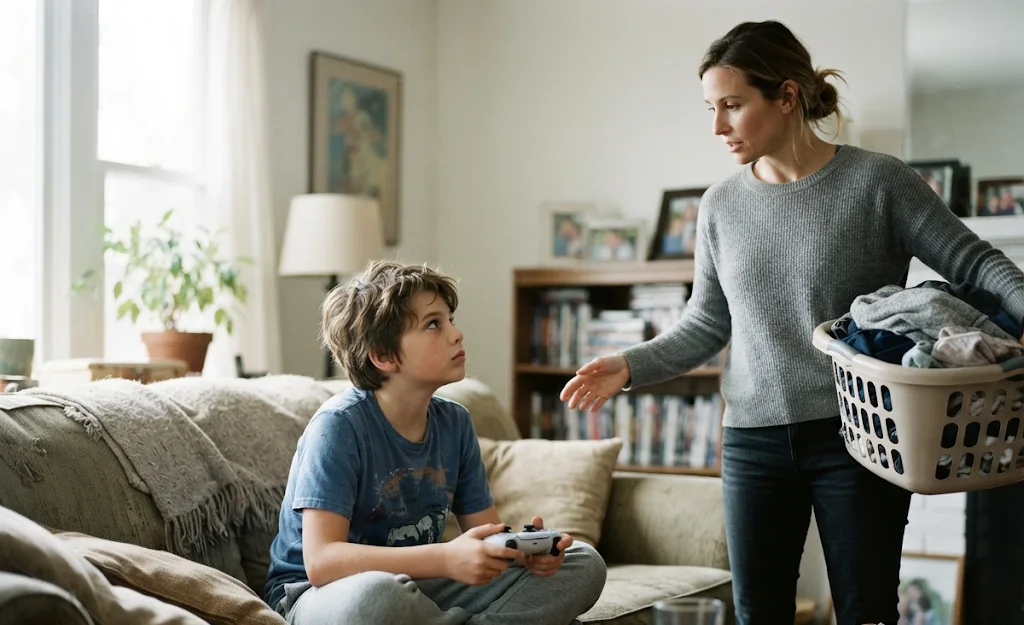
They blurt out the answer, grab the controller, or snap at a sibling, then feel bad seconds later. Often the knowledge is there. The pause isn't yet.
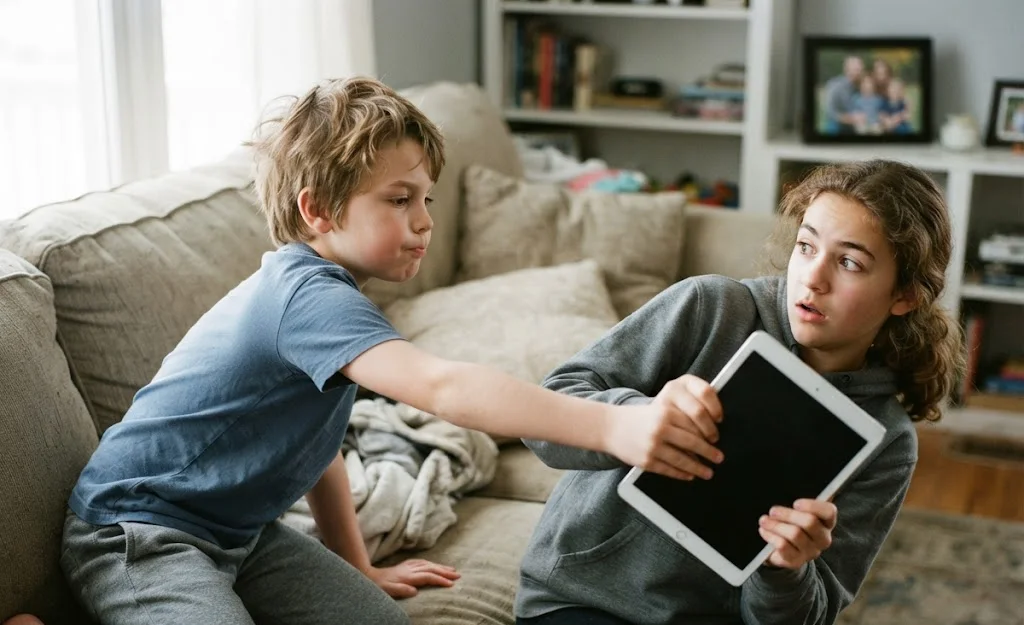 In the Moment
The Urge Arrives First
- Wanting something right now can drown out what they know.
- Interrupting, grabbing, or blurting happens faster than thinking.
- Regret often arrives seconds after the moment has passed.
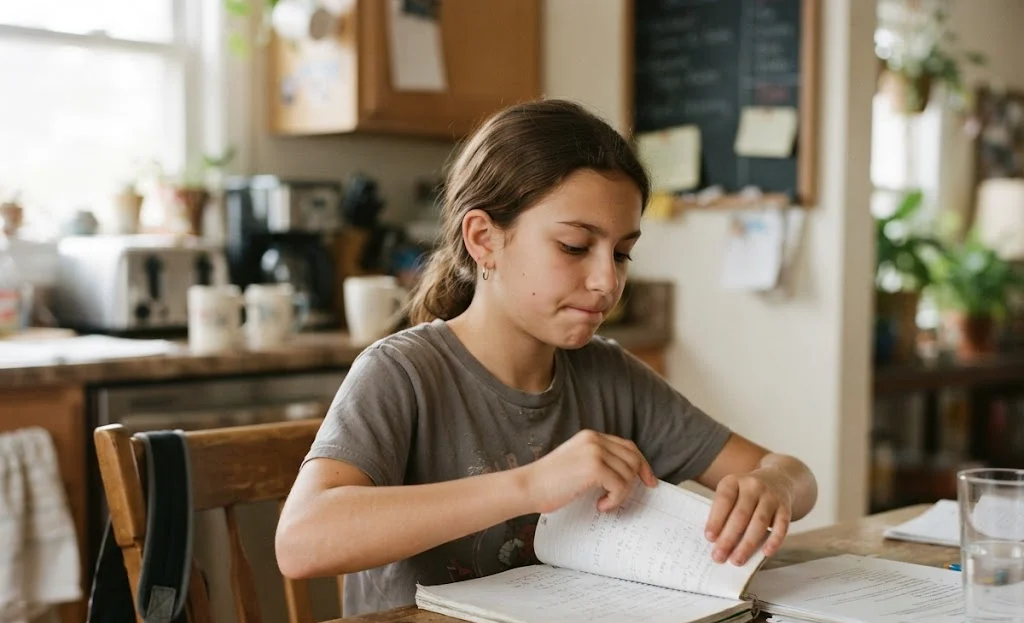 Big Feelings
Frustration Takes the Wheel
- Anger or disappointment can turn into a quick, harsh reaction.
- Their body often signals the reaction before they notice it.
- Afterward, it can be hard to explain what happened.
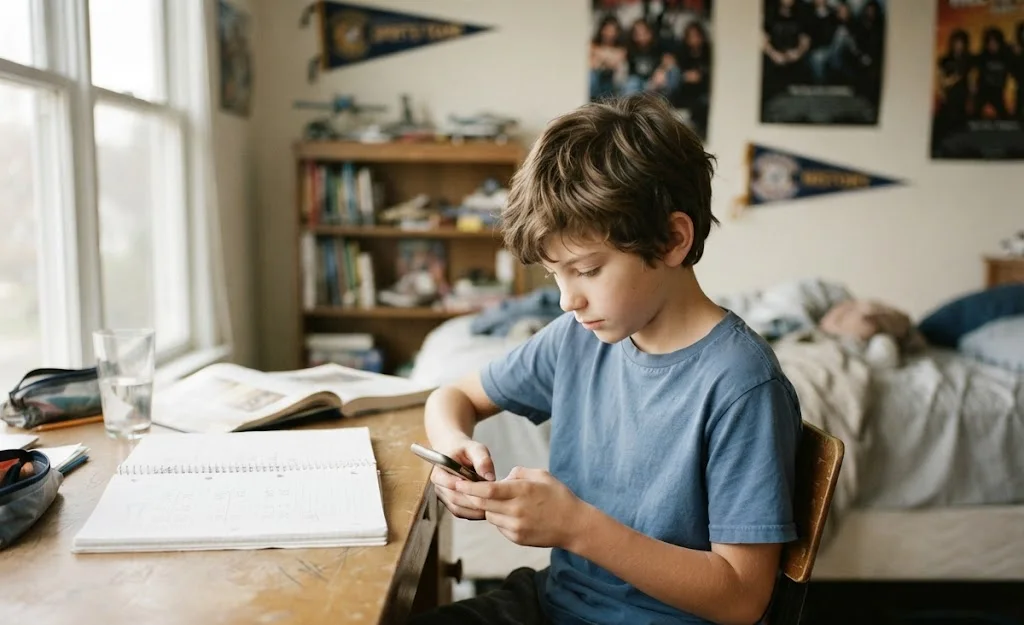 Hard to Wait
Later Feels Too Far Away
- Screens, snacks, and games are easier to choose right now.
- Waiting for something better feels slow and uncomfortable.
- Rules work when adults are near, less so when they're not.
Impulse control isn't a fixed trait some children simply lack. It can be understood, practiced, and strengthened one pause at a time.
Why Impulse Control Matters More as They Grow
As children gain freedom, more decisions happen without an adult nearby. The choices made in a split second start to carry bigger consequences.

The Moments Are Getting Bigger
- Friendships are on the line. A cutting remark or impulsive reaction can hurt a friendship that took months to build.
- Phones make reactions instant. A message sent in frustration can be shared and screenshotted before they have time to rethink it.
- School asks for patience. Waiting their turn, listening fully, and staying with a task all depend on pausing first.
- Waiting pays off over time. Saving money, practicing a skill, or finishing work first means choosing a bigger reward over a quick one.
- Self-control is a skill, not a scolding. Children can learn how impulses work and practice strategies, rather than simply being told to stop.
The goal isn't a child who never feels the urge. It's one who notices it in time to choose what happens next.
What Mastering Impulse Control Helps Your Child Develop
Pausing before acting isn't one skill. The course breaks it into specific capabilities children can understand, practice, and strengthen over time.
Noticing Impulses Early
Recognize the physical and emotional signals that show up just before acting on an impulse.
Stop, Think, Act
Use a simple three-step pause to assess a situation before responding in high-pressure moments.
Knowing Their Triggers
Understand which situations and feelings tend to set off quick reactions, and why.
Strengthening the Brain's Brakes
Learn how the brain handles impulses and how practice strengthens the part that helps them pause.
Expressing Feelings Safely
Put frustration and other strong feelings into words instead of letting them burst out as actions.
Each capability supports the others: noticing the urge, understanding the trigger, and pausing long enough to choose a response they can stand behind.
Inside the Course — Four Modules, From Noticing to Navigating
The course moves from understanding impulses, to practical strategies, to the role of communication, and finally to using impulse control in real life.
- 01
Introduction to Identifying Impulses
What impulses are and how they quietly drive behavior.
- Understand what impulses are and how they influence everyday behavior and decisions.
- Recognize the emotional and physical signals that come right before an impulsive action.
- Learn how the brain's prefrontal cortex helps with pausing and self-control.
- Reflect honestly on their own impulsive patterns and choose an area to work on.
- 02
Strategies for Controlling Impulses
Practical tools for waiting, redirecting, and calming down.
- Practice delaying gratification as a foundation for stronger self-regulation.
- Explore distraction techniques for riding out an urge in real situations.
- Use mindfulness, meditation, and movement to create space before reacting.
- Build a personal impulse control plan that combines these strategies.
- 03
The Role of Communication in Impulse Control
Using words and listening to slow reactions down.
- Express strong emotions constructively instead of acting on them.
- Develop active listening that reduces quick, impulsive replies.
- Talk with peers about impulsive feelings in ways that build understanding.
- Recognize how miscommunication fuels impulsive reactions, and how to clear it up.
- 04
Navigating Real-Life Impulses
Applying Stop, Think, Act and recovering from slip-ups.
- Apply the Stop, Think, Act technique before acting in real-life situations.
- Recover from impulsive mistakes and learn something useful from each one.
- See impulse control as a long-term journey and track their progress.
- Build a growth mindset and a plan for keeping self-control strong over time.
Course structure
- 4Modules
- 28Instructional Lessons
- 8Practice Activities
 Course badgeBlink Fox — The Reactor
Together, the modules move children from understanding their impulses to managing them in the moments that matter.
From Learning to Real Life — How Your Child Practices Pausing
Knowing to pause is easy on a quiet afternoon. Doing it when a sibling grabs the remote takes repetition, reflection, and real situations.
 01Learn
Understand What Happens Inside
- Watch short animated lessons about everyday impulsive moments.
- See how the brain and body react before acting.
- Discover strategies like Stop, Think, Act and delaying gratification.
 02Practice & Reflect
Think Through the Moment
- Work through scenario-based Try Its where available.
- Decide what to do when a strong urge shows up.
- Reflect on their own impulsive patterns in each module exercise.
 03Apply
Pause Beyond the Screen
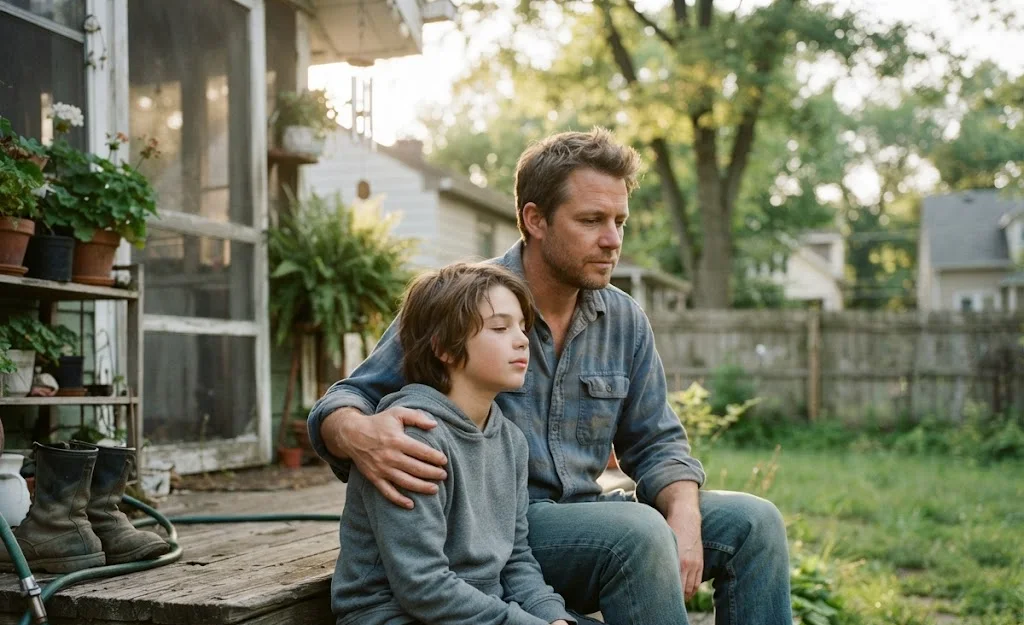
- Take one deep breath or a short walk when frustration builds.
- Use Stop, Think, Act before replying to an upsetting message.
- Wait for a bigger reward instead of grabbing the quick one.
- Talk with a parent about a moment the pause worked.
Success isn't never slipping up. It's noticing the urge a little sooner and recovering a little faster when it wins.
What Research Tells Us About Self-Control, Mindfulness & Movement
Researchers have studied how children build self-control for decades. These findings describe general patterns, not guarantees for any child or for this course.
- Practice Builds Control
Executive functions can be strengthened.
- A review found varied activities improved self-control and focus in children aged 4–12.
- Successful programs used repeated practice that gradually raised the challenge.
- Children who started with weaker skills tended to benefit most.
- Mindfulness Shows Promise
School mindfulness programs can help.
- A review of 24 school studies found benefits for thinking skills and stress.
- Effects on emotional problems were small and not statistically significant.
- The authors call the results promising but varied across programs.
- Movement Matters
Physical activity supports self-control.
- In a randomized trial, children aged 7–9 joined a 9-month after-school activity program.
- They improved more in inhibition, the ability to hold back a response.
- The effects were modest, and the children were younger than most Bloomster learners.
The evidence points to practice: self-control grows through repeated, gradual challenge. Mastering Impulse Control is built around that approach, without promising quick or guaranteed change.
Why Mastering Impulse Control Is Part of the Habits Program
In the Habits Program, the course comes second. It builds on attention skills and prepares children for motivation and follow-through.
Why It Comes Second
- It builds on attention. After Focused You: Manage Your Mind & Energy, children move from noticing distractions to managing the urges that pull them off course.
- It adds the pause. Recognizing impulses gives children a moment to choose, a skill every later course in the program draws on.
- It prepares for motivation. Learning to Love Learning!, the next course, explores curiosity and effort, which depend on resisting quicker, easier choices.
- It supports follow-through. Waiting for what matters most prepares children for The Art of Self-Discipline later in the program.
The Habits ProgramCourse 2 of 7
- 1Focused You: Manage Your Mind & EnergyAttention & Focus
- 2This CourseMastering Impulse ControlSelf-Regulation
- 3Learning to Love Learning!Curiosity & Motivation
- 4–7Four Later CoursesDiscipline · Thinking · Teamwork · Forgiveness
The course isn't a standalone fix. It's one step in a longer sequence that gives self-control time to develop.
Frequently Asked Questions About Mastering Impulse Control
Practical answers about what your child will learn, what the course asks of your family, and how it fits into Bloomster's programs.
Who is Mastering Impulse Control designed for?
It uses everyday situations relevant to children roughly 9 to 14. It is the second course in the Habits Program, which is designed around ages 10–12. What your child is experiencing, like acting before thinking or struggling to wait, matters more than an exact age.
What will my child learn in this course?
Children learn what impulses are, how the brain and body react before acting, and practical ways to pause: waiting for what matters, distraction, mindfulness, movement, and the Stop, Think, Act technique. They also explore how communication helps and how to recover after an impulsive mistake.
Is this course a treatment for ADHD?
No. Mastering Impulse Control is an educational course, not a diagnosis or treatment. It teaches strategies many children find useful, but it doesn't replace professional support. If impulsivity is persistent or affects school, safety, or friendships, talk with your pediatrician.
How long does the course take?
Your child moves at their own pace. The four modules contain 28 short animated lessons, 8 practice activities, and a module exercise at the end of each. Inside the Habits Program, courses are spaced across roughly a year, which gives this one several weeks to settle into daily life.
How much time should my child spend on it each week?
We suggest two 30-minute learning sessions each week. Short, regular sessions suit a course about pausing: strategies stick better through repetition than in one long sitting. If a week gets missed, simply pick up again.
Do I need to be involved as a parent?
You don't need to teach the course. Protect the learning time, notice what your child is working on, and in a calm moment talk about a time the pause worked, rather than in the middle of a hard one. Bloom, the parent side of Bloomster, helps you follow along.
Will my child stop interrupting or reacting so quickly?
The course introduces strategies for noticing an urge and pausing, but it can't promise a specific change. Many children first notice an impulse after acting on it, then a little sooner each time. Steady practice and patience at home make the biggest difference.
What if my child still loses control sometimes?
That's expected. Module 4 focuses on bouncing back from impulsive mistakes and learning from them rather than feeling ashamed. Setbacks are part of building self-control, and the course treats each one as useful information for next time.
Can I enroll my child in this course by itself?
Bloomster is organized around learning journeys rather than single-course purchases. Mastering Impulse Control is part of the Habits Program, and it may also be recommended within a Personalized Course Journey. Finding your start shows where your child might begin.
How will I know whether my child is making progress?
Look for small signs: pausing before grabbing or interrupting, naming a feeling instead of acting on it, waiting a little longer for something they want, or repairing things after a slip. Progress is rarely a straight line, and a hard day is not a failure.
Explore the Habits Program — Where Self-Control Leads Next
Pausing before acting is one capability among many. The Habits Program connects it with attention, motivation, and follow-through over a year of learning.
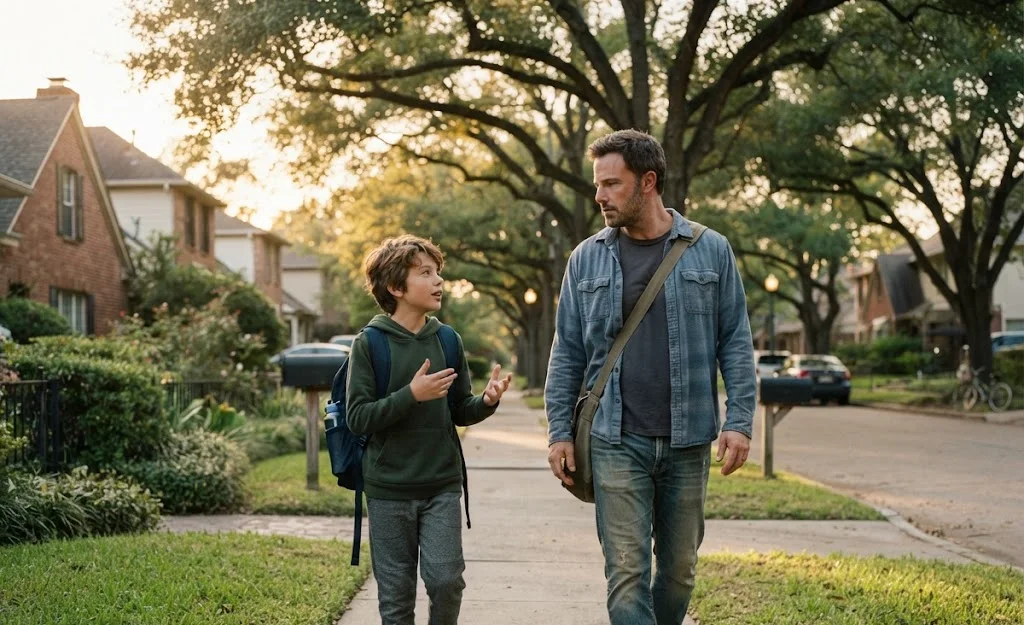
Self-Control Grows Alongside Other Skills
- This course builds the pause between an urge and an action.
- Focused You: Manage Your Mind & Energy, the course before it, develops the attention that noticing urges depends on.
- Later courses apply self-control to motivation, routines, reasoning, teamwork, and forgiveness.
- Steady practice across months gives these capabilities time to connect in everyday life.
Explore how the Habits Program sequences its seven courses, and whether it fits what your child needs right now.
 Free PDF · No account neededFree Self-Management & Impulse Control Guide for ParentsReal-life scenarios and questions to talk through impulses and self-control with your child at home.
Impulse control isn't about never feeling the urge. It's about your child gaining the moment they need to choose well.