
Learning to Love Learning!
"I'm Just Not Good at This." What If It's Simply "Not Yet"?
Help your child see challenges as chances to grow, ask for help when they're stuck, and adapt when things change.
- 4Core Modules
- 32Lessons & Exercises
- 12Developmental Subskills
- 1Learning Program
Why Does Your Child Give Up on Learning So Fast?
A hard subject, a low grade, or a new school can turn curiosity into "I can't." Often it isn't ability. It's how they think about effort and struggle.
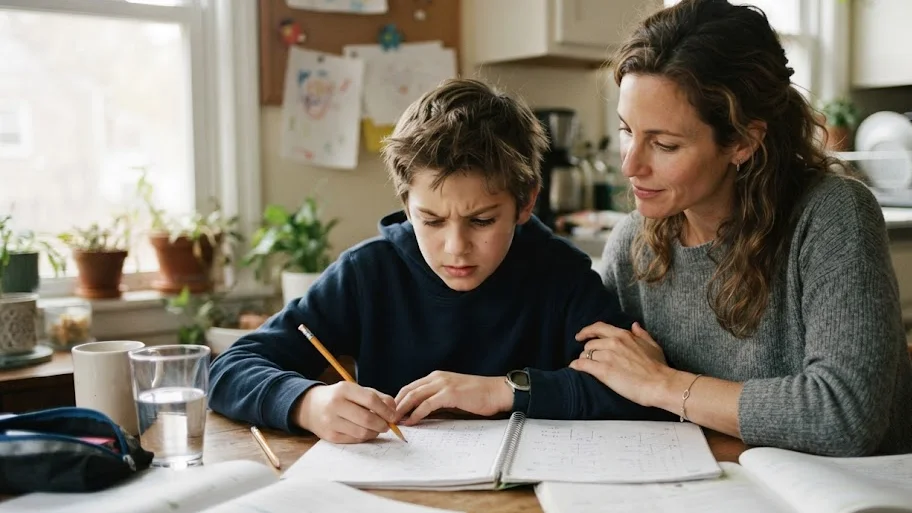
 Fixed Thinking
"I'm Bad at Math"
- One struggle can feel like proof of a permanent limit.
- Effort starts to feel pointless instead of useful.
- Avoiding hard things feels safer than trying.
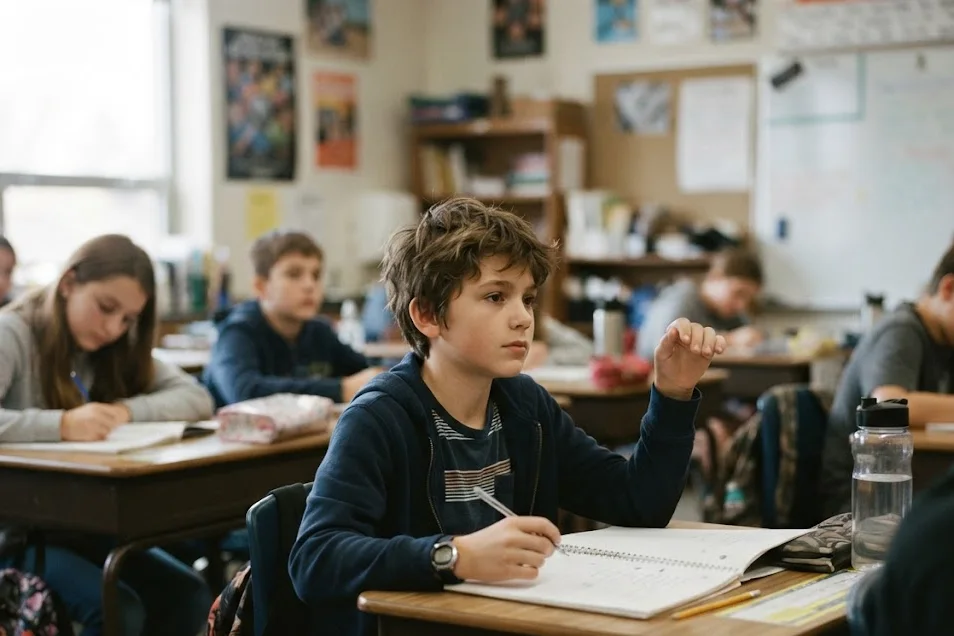 Staying Quiet
Not Asking for Help
- They're stuck but don't want to look confused.
- Small gaps grow because no one knows.
- Speaking up for their needs feels uncomfortable.
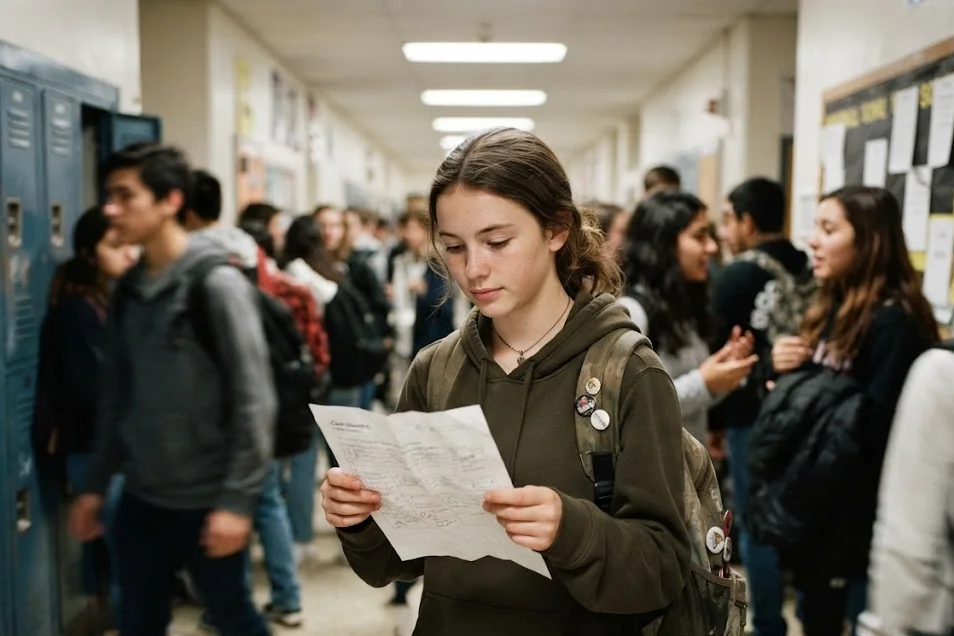 So Much Change
Middle School Feels Overwhelming
- New teachers, classes, and routines arrive at once.
- Organization and time management suddenly matter more.
- Setbacks can shake their confidence as learners.
A love of learning isn't something children either have or lack. It can be nurtured, practiced, and rebuilt when it starts to fade.
Why a Growth Mindset Matters More as They Grow
As schoolwork gets harder and children move into middle school, how they respond to challenge starts shaping how much they're willing to try.
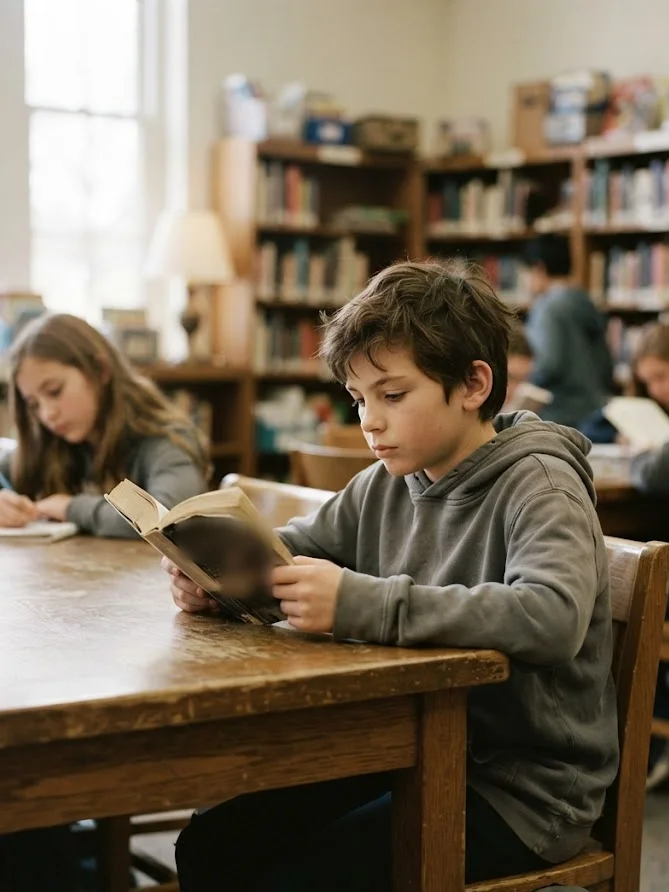
Challenge Is Becoming Normal
- Schoolwork gets harder. New subjects bring more confusion before understanding, and children need to see that as part of learning.
- Change comes fast. New schools, teachers, and friend groups ask children to adapt rather than retreat.
- Speaking up matters more. Asking teachers for help and expressing their needs helps children stay on track.
- Habits start to count. Organization and time management become the difference between keeping up and falling behind.
- A growth mindset isn't just positive thinking. It means effort, good strategies, and help from others, not simply believing harder.
The goal isn't a child who finds everything easy. It's one who keeps trying, keeps learning, and asks for help along the way.
What Learning to Love Learning! Helps Your Child Develop
Loving learning isn't one trait. The course breaks it into specific capabilities children can understand, practice, and strengthen over time.
Believing Abilities Can Grow
Tell fixed from growth mindsets and see effort and strategy as the way abilities improve.
Speaking Up for Themselves
Ask for help when stuck and express needs, feelings, and boundaries with confidence.
Adapting to Change
Stay calm and flexible when facing new situations, routines, and challenges.
Learning Through Challenge
See difficult tasks as chances to learn rather than threats to avoid.
Organizing Their Learning
Use organization and time management habits that make school and home learning easier.
Each capability supports the others: believing they can grow, asking for help, and staying organized help children approach learning with curiosity instead of fear.
Inside the Course — Four Modules, From Mindset to Lifelong Learning
The course starts with a growth mindset, builds self-advocacy, prepares children for middle school changes, and ends with connections and learning habits.
- 01
Growing a Growth Mindset
How beliefs about ability shape learning.
- Understand how a growth mindset affects learning and improvement.
- Tell the difference between growth and fixed mindsets.
- Embrace challenges as opportunities rather than threats.
- Keep a positive, growth-oriented outlook when things are hard.
- 02
Shooting for Self-Advocacy
Speaking up for their needs and seeking support.
- Understand why speaking up for needs, feelings, and boundaries matters.
- Practice assertive communication in different situations.
- Build a support network of trusted people.
- Use self-advocacy to overcome obstacles at school and with friends.
- 03
Adjusting and Adapting to Middle School
Staying flexible through change.
- Understand why adaptability matters through middle school and beyond.
- Stay calm and open-minded in new or uncomfortable situations.
- Approach challenges from multiple angles to solve problems.
- Reframe setbacks as chances to grow and keep going.
- 04
Connections, Experiences, and Learning Tips
Friendships, new experiences, and study habits.
- Recognize how strong friendships support personal growth.
- Seek out new experiences that broaden their perspective.
- Connect real-life experiences to what they learn in class.
- Build organization and time management habits for school and home.
Course structure
- 4Modules
- 28Instructional Lessons
- 8Practice Activities
 Course badgePrism Chameleon — The Adapter
Together, the modules move children from believing they can grow to building the habits that keep them learning.
From Learning to Real Life — How Your Child Practices a Growth Mindset
Saying "not yet" is easy in a lesson. Believing it after a bad grade takes repetition, reflection, and real challenges.
 01Learn
Understand How Learning Works
- Watch short animated lessons set in school and at home.
- See characters struggle, ask for help, and improve.
- Discover strategies for mindset, self-advocacy, and organization.
 02Practice & Reflect
Rethink the Struggle
- Work through scenario-based Try Its where available.
- Turn "I can't" into "I can't yet" with a next step.
- Reflect on their own learning in module exercises.
 03Apply
Keep Learning Beyond the Screen
- Ask a teacher one question when stuck.
- Try a different strategy instead of quitting.
- Set up a simple homework routine and planner.
- Talk with a parent about something they learned from a mistake.
Success isn't getting everything right. It's staying curious through the hard parts and knowing they can improve.
What Research Tells Us About Mindset, Motivation & Learning
Researchers have studied how children's beliefs about ability affect learning, with honest, mixed results. These findings describe general patterns, not guarantees.
- Beliefs Shape Effort
Believing ability can grow matters.
- In a study of 373 seventh graders, believing intelligence can grow predicted rising math grades.
- Students who saw intelligence as fixed showed flatter grades.
- A small classroom intervention also improved motivation.
- Context Matters
Mindset lessons help some students most.
- A national U.S. study used a short online growth mindset lesson.
- Grades improved among lower-achieving students.
- Effects held when classmates' attitudes supported the message.
- Not a Magic Fix
Mindset alone has modest effects.
- Two meta-analyses combined data from more than 365,000 students.
- Overall links between mindset and achievement were weak.
- Mindset works best alongside effort, strategies, and support.
The evidence points to balance: beliefs about ability matter, but they work best alongside strategies and support. Learning to Love Learning! is built around that fuller approach, without promising guaranteed results.
Why Learning to Love Learning! Is Part of the Habits Program
In the Habits Program, the course comes third. It builds on focus and self-control, and prepares children for self-discipline.
Why It Comes Third
- It builds on self-control. After Mastering Impulse Control, children turn the ability to pause into curiosity and effort.
- It adds motivation. Focus and self-control work better when children actually want to learn and believe they can improve.
- It prepares for follow-through. Growth mindset and organization set up The Art of Self-Discipline, the next course in the program.
- It supports later courses. Curiosity and adaptability carry into analytical thinking, teamwork, and forgiveness later in the program.
The Habits ProgramCourse 3 of 7
- 1–2Two Earlier CoursesFocus · Self-Control
- 3This CourseLearning to Love Learning!Curiosity & Motivation
- 4The Art of Self-DisciplineEffort & Follow-Through
- 5–7Three Later CoursesThinking · Teamwork · Forgiveness
The course isn't a standalone fix. It's one step in a longer sequence that gives a love of learning time to grow.
Frequently Asked Questions About Learning to Love Learning!
Practical answers about what your child will learn, what the course asks of your family, and how it fits into Bloomster's programs.
Who is Learning to Love Learning! designed for?
It uses everyday situations relevant to children roughly 9 to 14. It is the third course in the Habits Program, which is designed around ages 10–12, a time when many children move into middle school. What your child is experiencing matters more than an exact age.
What will my child learn in this course?
Children learn the difference between fixed and growth mindsets, how to embrace challenges, and how to speak up for their needs. They practice adapting to change, reframing setbacks, building friendships, and organization and time management habits.
What is a growth mindset?
A growth mindset is the belief that abilities can improve through effort, good strategies, and help from others. It doesn't mean anyone can do anything instantly; it means struggle is part of learning, not a sign that they can't.
How long does the course take?
Your child moves at their own pace. The four modules contain 28 short animated lessons, 8 practice activities, and a module exercise at the end of each. Inside the Habits Program, courses are spaced across roughly a year, which gives this one several weeks to settle into daily life.
How much time should my child spend on it each week?
We suggest two 30-minute learning sessions each week. Homework and school challenges between sessions give your child real chances to practice. If a week gets missed, simply pick up again.
Do I need to be involved as a parent?
You don't need to teach the course. Protect the learning time, notice what your child is working on, and praise effort and strategies rather than only results or being "smart." Bloom, the parent side of Bloomster, helps you follow along.
Will this help with the move to middle school?
Module 3 focuses on adjusting to middle school: staying flexible, solving problems, and reframing setbacks. Module 4 adds organization and time management. It can't remove every challenge, but it helps your child meet them with more confidence.
Will this improve my child's grades?
The course doesn't teach school subjects, and research shows mindset alone has modest effects. It focuses on attitudes, self-advocacy, and habits that support learning. Many children find these help, but results depend on your child and consistent practice.
Can I enroll my child in this course by itself?
Bloomster is organized around learning journeys rather than single-course purchases. Learning to Love Learning! is part of the Habits Program, and it may also be recommended within a Personalized Course Journey. Finding your start shows where your child might begin.
How will I know whether my child is making progress?
Look for small signs: saying "not yet" instead of "I can't," asking a teacher for help, trying a new approach after a mistake, or keeping a planner. Progress is rarely a straight line, and a frustrating week is not a failure.
Explore the Habits Program — Where Curiosity Leads Next
A love of learning is one capability among many. The Habits Program connects it with focus, self-control, discipline, and teamwork over a year of learning.
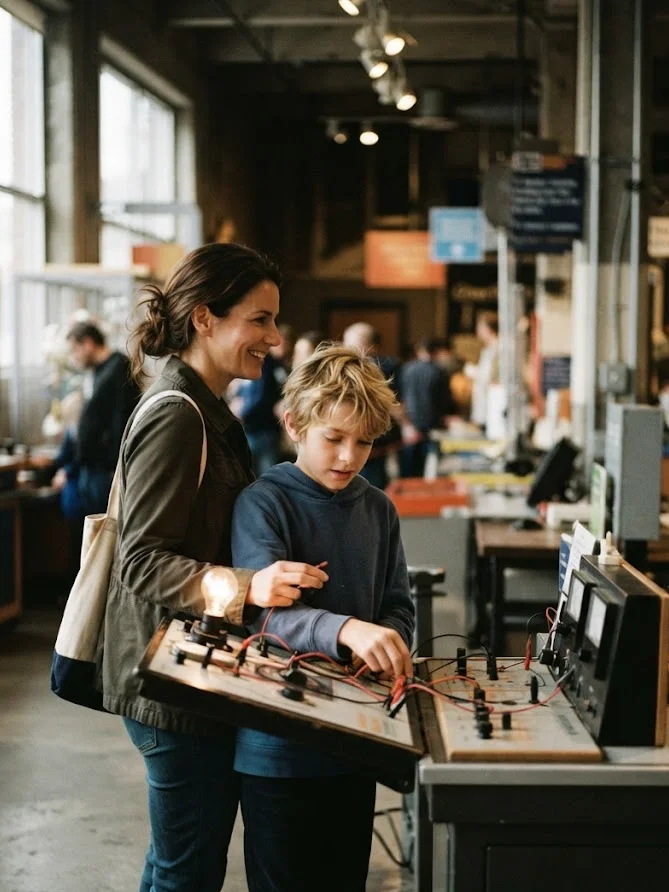
Curiosity Grows Alongside Other Skills
- This course builds a growth mindset, self-advocacy, and adaptable learning habits.
- Earlier courses develop the focus and self-control that learning draws on.
- Later courses apply that curiosity to discipline, analysis, teamwork, and forgiveness.
- Steady practice across months gives these capabilities time to connect in everyday life.
Explore how the Habits Program sequences its seven courses, and whether it fits what your child needs right now.
 Free PDF · No account neededFree Learning & Adapting Guide for ParentsReal-life scenarios and questions to talk through learning and change with your child at home.
A love of learning isn't about finding things easy. It's about your child staying curious, even when learning gets hard.