
Goal-Setting: Gaining Tools for Success
Your Child Has Big Dreams. Goals Turn Them Into Steps.
Help your child set goals that matter to them, plan the steps to reach them, and keep going when progress is slow.
- 4Core Modules
- 32Lessons & Exercises
- 12Developmental Subskills
- 2Learning Programs
Why Do Your Child's Goals Fade So Quickly?
They want to make the team, raise a grade, or learn a new skill, then lose steam within weeks. Often the wish is real. The plan is missing.
 Wishes, Not Goals
Big Hopes, No Clear Steps
- "I want to be better at math" has no first step.
- Without a plan, it's hard to know where to start.
- Vague goals are easy to forget once the week gets busy.
 When It Gets Hard
The First Obstacle Ends It
- One bad result can feel like proof the goal is impossible.
- Obstacles weren't expected, so they feel like failure.
- Giving up can seem easier than adjusting the plan.
 Too Many at Once
Everything Feels Urgent
- School, activities, and friends all compete for time.
- Without priorities, nothing gets real attention.
- Procrastination grows when goals feel too big.
Setting and reaching goals isn't a talent some children simply have. It's a set of skills that can be learned, practiced, and gradually strengthened.
Why Goal-Setting Matters More as They Grow
As children gain independence, more of what they achieve depends on choosing a direction for themselves and working toward it without constant reminders.
More of the Plan Is Theirs
- School asks for longer efforts. Projects, tests, and new subjects reward children who can break big work into steps and keep going.
- Interests become their own. Sports, music, art, or saving money take months of practice that only a goal can sustain.
- Setbacks are part of it. Knowing obstacles will come helps children adjust the plan instead of abandoning the goal.
- Motivation comes and goes. Goals connected to what children truly care about hold up better when enthusiasm fades.
- Goals are not pressure. Good goal-setting is about direction and growth, not perfection or meeting someone else's expectations.
The goal isn't a child who achieves everything they attempt. It's one who knows how to aim, plan, adjust, and keep going.
What Goal-Setting: Gaining Tools for Success Helps Your Child Develop
Reaching a goal isn't one skill. The course breaks it into specific capabilities children can understand, practice, and strengthen over time.
Setting Real Goals
Turn wishes into goals that are specific, achievable, and time-bound, across school, health, and interests.
Finding Their Why
Connect goals to what they genuinely care about, so motivation lasts longer than the first week.
Strategies to Follow Through
Use tools like SMART goals and WOOP to plan for obstacles and keep moving forward.
Reflecting to Improve
Look back on progress honestly, notice what worked, and adjust the plan without giving up.
Believing Effort Pays Off
See abilities as something that grows with practice, and mistakes as useful information.
Each capability supports the others: a clear goal, a real reason, and a plan for obstacles help children turn intention into steady progress.
Inside the Course — Four Modules, From Wishes to Goal Striving
The course starts with why goals matter, prepares children for what goal-setting really involves, builds supporting skills, and ends with actively pursuing goals.
- 01
Getting Started with Goals
Why goals matter and how to set good ones.
- Understand why setting personalized goals is one of the most useful life skills.
- Reflect on strengths, weaknesses, and what they truly want to achieve.
- Set goals that are balanced, specific, achievable, and time-bound.
- See persistence and resilience as essential parts of making progress.
- 02
What to Expect from Goal Setting
Preparing for the challenges and the rewards.
- Develop realistic expectations about the ups and downs of working toward goals.
- Identify inner and outer barriers, and ways to work past them.
- Treat mistakes as learning opportunities and take ownership of progress.
- Recognize their feelings and how emotions support or block goals.
- 03
Goal Setting: Supporting Skills
Motivation, time, and decisions that keep goals moving.
- Identify what personally motivates them and how to sustain it.
- Practice emotional regulation that supports both well-being and progress.
- Use time management and goal-oriented thinking in daily life.
- Strengthen decision-making and organization for more intentional choices.
- 04
Entering the Goal Striving Phase
Moving from planning to doing.
- Identify the specific actions and steps that make progress real.
- Understand why mastery goals support longer-term growth than performance goals.
- Apply strategies like SMART and WOOP to structure their goals.
- Recognize procrastination and use targeted strategies to push through it.
Course structure
- 4Modules
- 28Instructional Lessons
- 12Practice Activities
 Course badgeLynx — The Seeker
Together, the modules move children from dreaming about goals to actively working toward them, with a plan for the obstacles along the way.
From Learning to Real Life — How Your Child Practices Goal-Setting
Writing a goal down is the easy part. Keeping it going through a busy week takes planning, reflection, and practice in real situations.
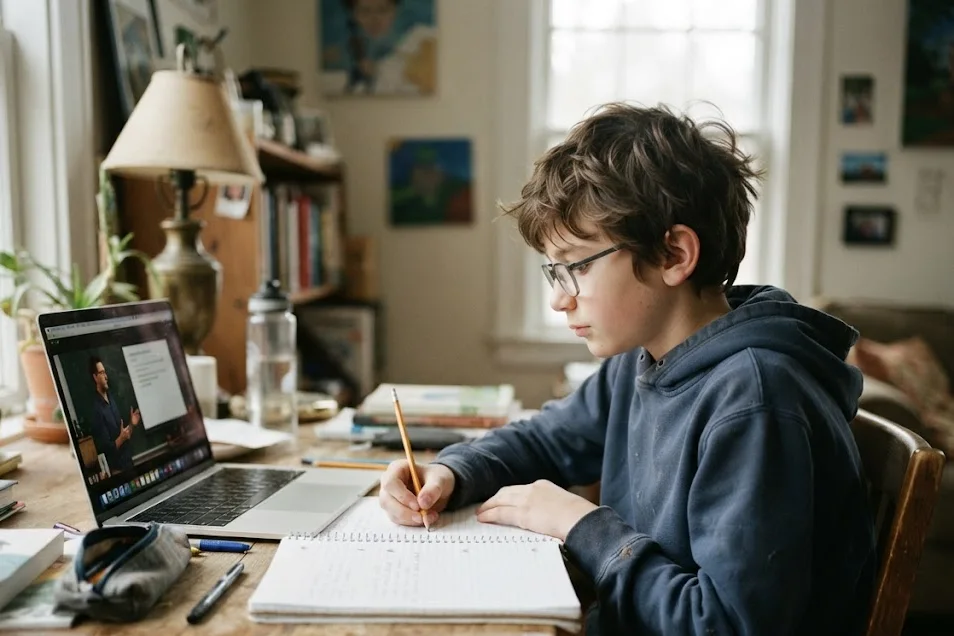 01Learn
Understand How Goals Work
- Watch short animated lessons about everyday goals and setbacks.
- See characters plan, stall, and get back on track.
- Discover strategies like SMART goals, WOOP, and if-then plans.
 02Practice & Reflect
Plan for the Obstacles
- Work through scenario-based Try Its where available.
- Name a likely obstacle and decide what to do about it.
- Reflect on their own goals in each module exercise.
 03Apply
Take the First Step
- Pick one goal and write the very first step.
- Make an if-then plan for the hardest moment.
- Check progress weekly and adjust instead of quitting.
- Talk with a parent about what helped this week.
Success isn't hitting every target. It's learning to aim, adjust, and keep moving toward what matters to them.
What Research Tells Us About Goals, Planning & Follow-Through
Researchers have studied how planning for obstacles affects whether people reach their goals. These findings describe general patterns, not guarantees for any child.
- Plans for Obstacles
Naming obstacles can help children.
- Fifth graders learned to picture a goal, name obstacles, and make if-then plans.
- Compared with a positive-thinking group, their grades, attendance, and conduct improved.
- The study was small, with 77 children at one school.
- If-Then Plans Work
Specific plans support follow-through.
- A review combining dozens of studies examined if-then plans for reaching goals.
- Deciding when and where to act helped people follow through more often.
- Most studies involved adults, across health, school, and personal goals.
- Writing Goals Down
Reflecting on goals can pay off.
- Struggling university students wrote about and reflected on their personal goals.
- Four months later, their academic performance improved compared with a control group.
- The participants were older students, not children.
The evidence points to planning: clear goals and plans for obstacles help effort turn into progress. Goal-Setting: Gaining Tools for Success is built around that approach, without promising guaranteed results.
How Goal-Setting: Gaining Tools for Success Supports Two Learning Journeys
The course appears in two programs. In each, it arrives at a different point and builds on different courses that came before it.
Why It Belongs in Both
- In Academic Success, it turns confidence into direction. After Confident You: Believe in Yourself, children channel growing self-belief into clear goals and plans.
- In Academic Success, it prepares for follow-through. Goals set here become the work children carry out in The Art of Self-Discipline, the next course.
- In Readiness, it connects planning to real life. After Financial Literacy I, children apply goal-setting to money, school, and the independence ahead.
- In Readiness, it prepares for steady habits. Clear goals lead into Meditation Foundation: Breath & Self-Awareness, where children learn to stay calm and focused.
The Academic Success ProgramCourse 5 of 7
- 1–4Four Earlier CoursesSelf-Awareness · Focus · Emotions · Confidence
- 5This CourseGoal-Setting: Gaining Tools for SuccessPlanning & Progress
- 6The Art of Self-DisciplineHabits & Follow-Through
- 7Developing SuperHuman Problem-Solving SkillsAnalytical Thinking & Adaptability
The Readiness ProgramCourse 6 of 7
- 1–4Four Earlier CoursesPurpose · Choices · Problem-Solving · Online Safety
- 5Financial Literacy IMoney & Practical Responsibility
- 6This CourseGoal-Setting: Gaining Tools for SuccessPlanning & Follow-Through
- 7Meditation Foundation: Breath & Self-AwarenessMindfulness & Stress Regulation
In either program, the course isn't a standalone fix. It's one step in a longer sequence that gives goal-setting time to develop.
Frequently Asked Questions About Goal-Setting: Gaining Tools for Success
Practical answers about what your child will learn, what the course asks of your family, and how it fits into Bloomster's programs.
Who is Goal-Setting: Gaining Tools for Success designed for?
It uses everyday situations relevant to children roughly 9 to 14. It is the fifth course in the Academic Success Program, which works for children from 9 to 14, and the sixth in the Readiness Program, designed around ages 12–14. What your child is experiencing matters more than an exact age.
What will my child learn in this course?
Children learn why goals matter, how to set goals that are specific and achievable, what obstacles to expect, and how to stay motivated. They practice strategies like SMART goals and WOOP, manage time and emotions, and learn to push through procrastination.
What are SMART goals and WOOP?
SMART goals are specific, measurable, achievable, relevant, and time-bound. WOOP stands for Wish, Outcome, Obstacle, Plan: children picture what they want, name what might get in the way, and decide in advance what they'll do. The course teaches both in kid-friendly ways.
How long does the course take?
Your child moves at their own pace. The four modules contain 28 short animated lessons, 12 practice activities, and a module exercise at the end of each. Inside a program, courses are spaced across roughly a year, which gives this one several weeks to settle into daily life.
How much time should my child spend on it each week?
We suggest two 30-minute learning sessions each week. Between sessions, your child can take a real step toward a goal and notice how it went. If a week gets missed, simply pick up again.
Do I need to be involved as a parent?
You don't need to teach the course. Protect the learning time, notice what your child is working on, and ask about their goals with curiosity rather than pressure. Bloom, the parent side of Bloomster, helps you follow along.
Will this put more pressure on my child?
It shouldn't. The course emphasizes goals your child chooses and cares about, mastery over perfection, and treating setbacks as part of learning. The aim is direction and confidence, not more performance pressure.
My child sets goals but never finishes them. Will this help?
That's a common pattern, and the course addresses it directly: planning for obstacles, breaking goals into steps, and using if-then plans for hard moments. It can't promise a specific change, but steady practice makes follow-through more likely.
Can I enroll my child in this course by itself?
Bloomster is organized around learning journeys rather than single-course purchases. Goal-Setting: Gaining Tools for Success is part of the Academic Success and Readiness programs, and it may also be recommended within a Personalized Course Journey. Finding your start shows where your child might begin.
How will I know whether my child is making progress?
Look for small signs: naming a specific goal, breaking it into steps, adjusting after a setback instead of quitting, or starting before a deadline. Progress is rarely a straight line, and a stalled week is not a failure.
Explore the Academic Success and Readiness Programs — See the Bigger Journey
Goal-setting is one capability among many. Both programs connect it with confidence, discipline, money skills, and the independence children are growing into.
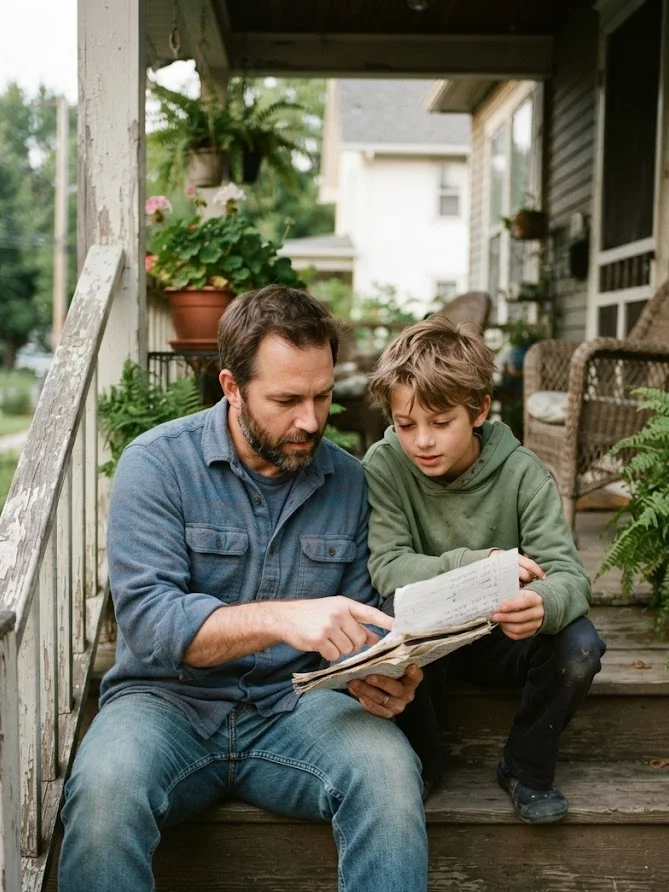
Goals Grow Alongside Other Skills
- This course builds the skills to set meaningful goals and plan for obstacles.
- Earlier courses develop the self-awareness, focus, and confidence goals draw on.
- Later courses apply that direction to follow-through, problem-solving, and calm focus.
- Steady practice across months gives these capabilities time to connect in everyday life.
Goals aren't about doing more. They're about your child choosing a direction and learning they can move toward it.