
Meditation Foundation: Breath & Self-Awareness
A Busy Mind Needs a Place to Rest. Your Child Can Learn to Find It.
Help your child notice their thoughts, use their breath to calm stress, and build a simple meditation habit that lasts.
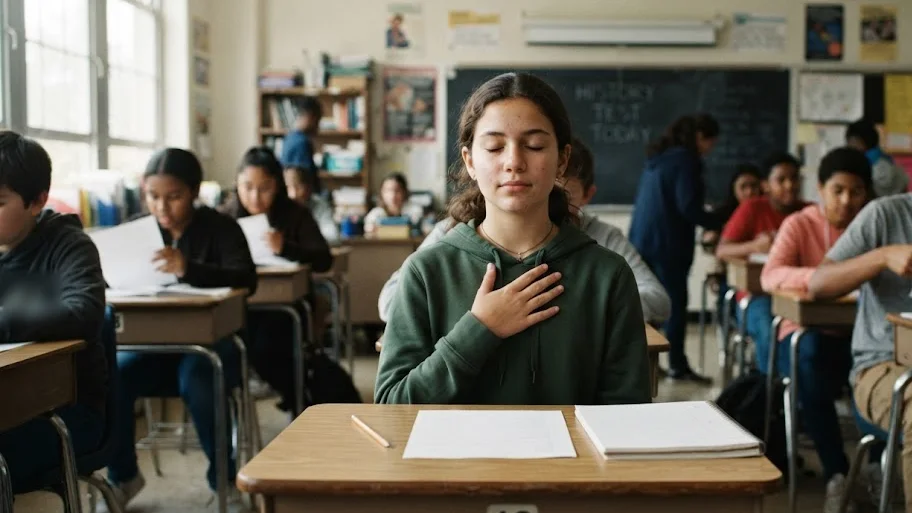
- 4Core Modules
- 36Lessons & Exercises
- 12Developmental Subskills
- 1Learning Program
Why Is Calm So Hard for Your Child to Find?
Stress piles up, their body tenses before a test, or their mind won't stop jumping around. Often it isn't a lack of effort. Calming the mind takes skills still developing.
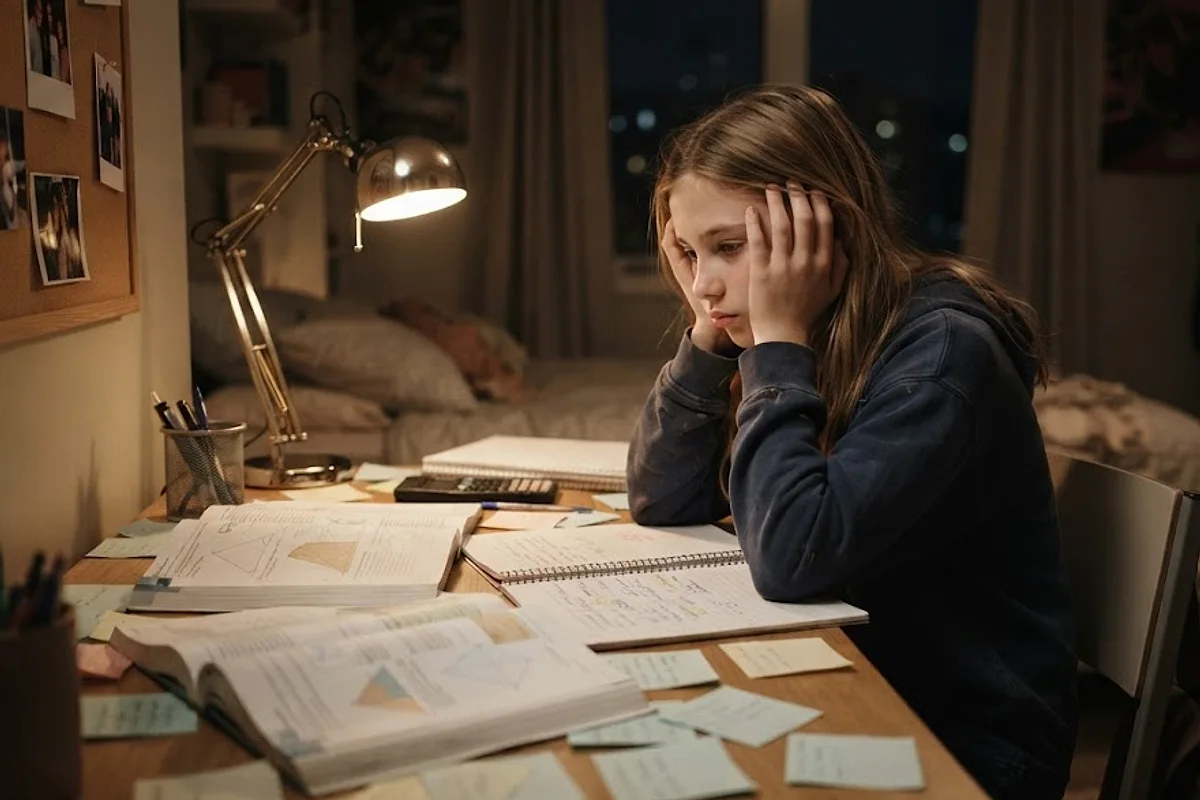 Stress
Pressure Piles Up
- Schoolwork, activities, and friendships all compete.
- Worries build with no way to release them.
- Small setbacks start to feel overwhelming.
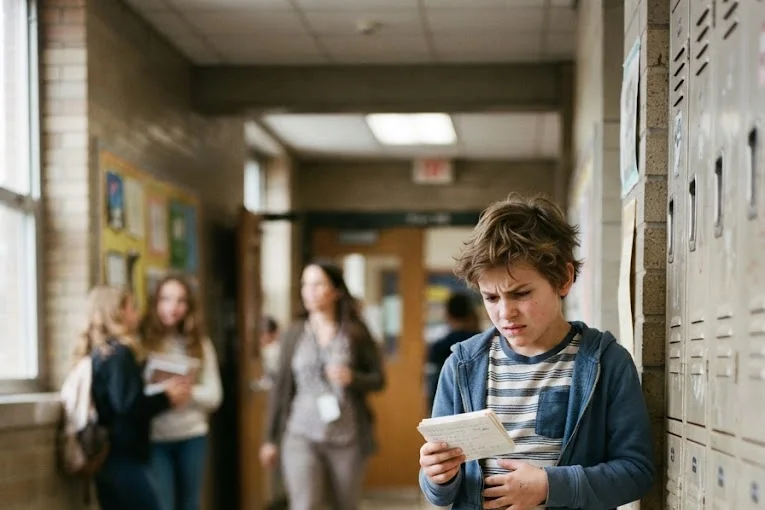 The Body
Stress Shows Up in the Body
- A tight stomach or racing heart comes out of nowhere.
- They don't connect the feeling to stress.
- Breathing gets fast and shallow without them noticing.
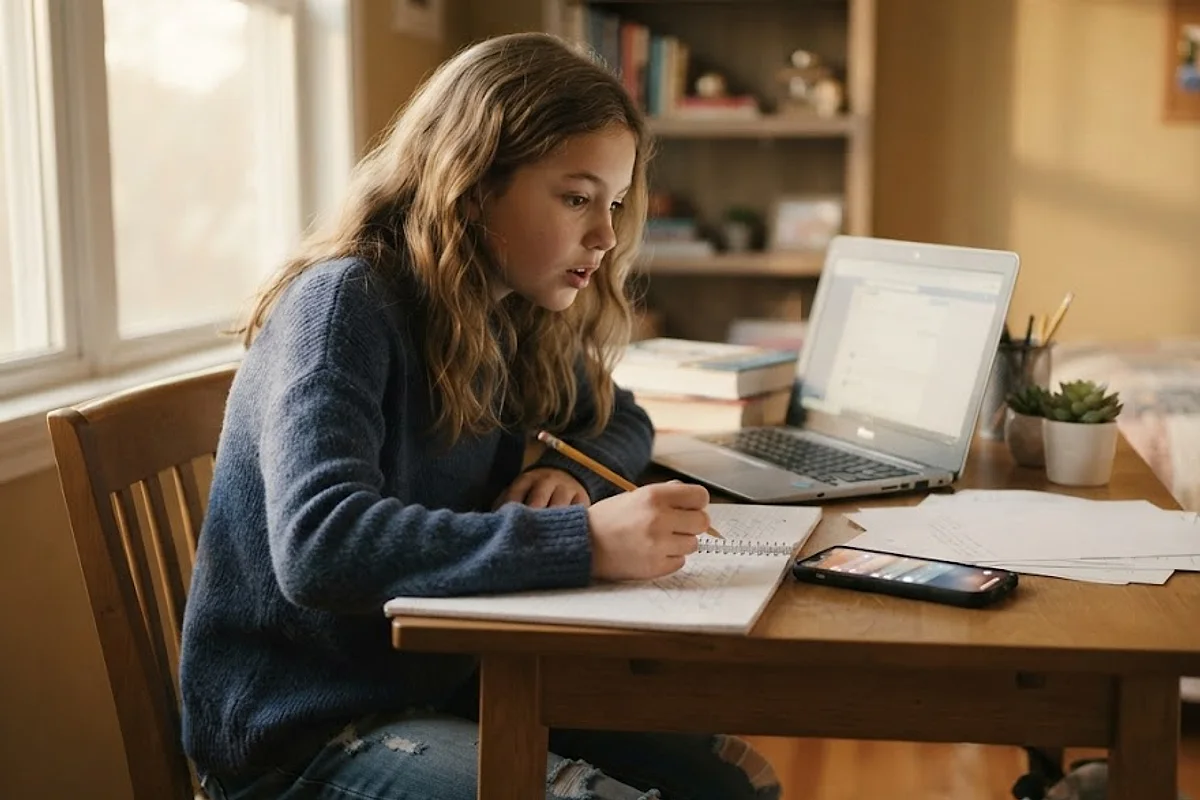 Attention
A Mind That Won't Settle
- Notifications pull them away again and again.
- Thoughts race from one thing to the next.
- Sitting still feels uncomfortable.
Calm isn't something some children just have. It can be learned, practiced, and strengthened, one breath at a time.
Why Breath and Self-Awareness Matter More as They Grow
As children approach high school, the pressure grows: harder classes, bigger social worlds, and more time on screens. A steady mind helps them handle it.
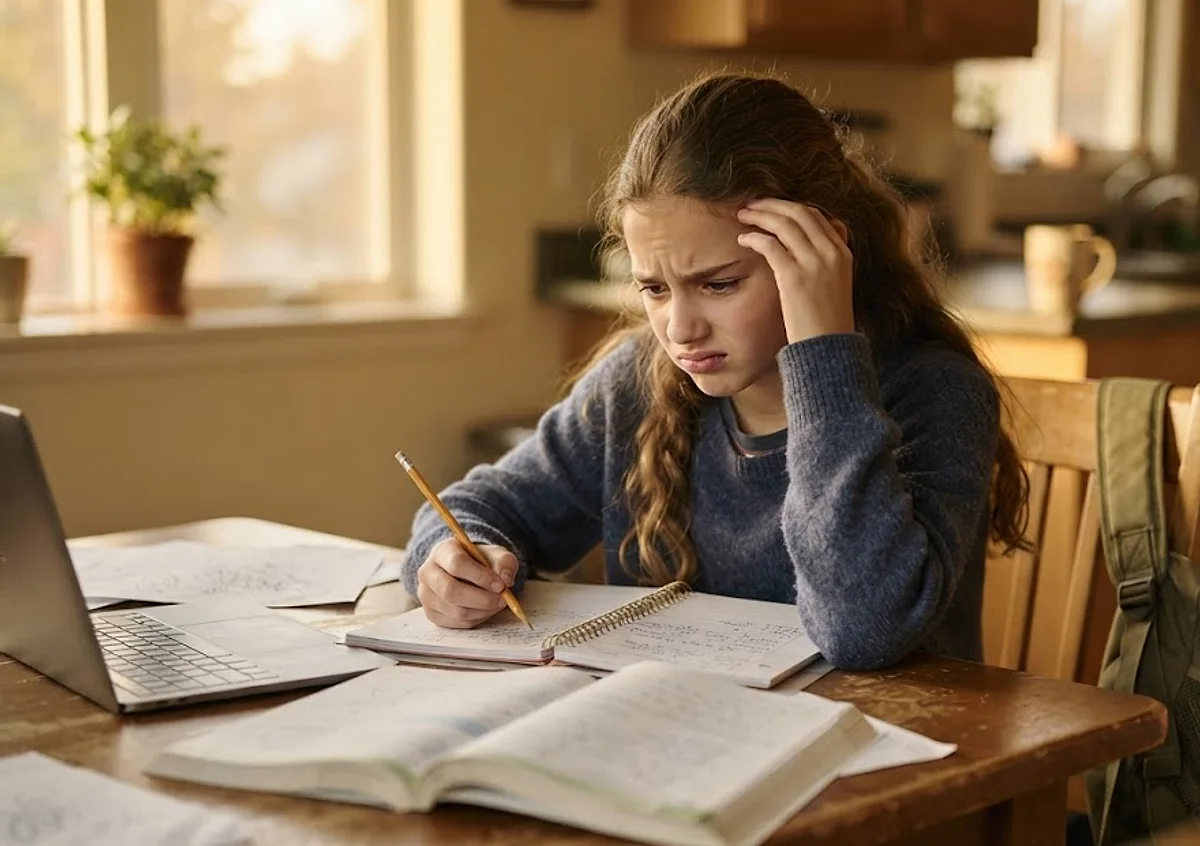
The Pressure Is Rising
- Demands increase. Tests, deadlines, and activities ask more of their focus and energy.
- Screens compete for attention. Constant notifications make it harder to stay with one thing.
- Feelings get bigger. Teenage years bring stronger emotions that are easier to manage with awareness.
- Habits are forming. A simple practice started now is easier to keep than one started later.
- Meditation isn't about emptying the mind. It's about noticing thoughts, breathing, and choosing where to put attention.
The goal isn't a child who never feels stressed. It's one who notices stress early and knows how to calm it.
What Meditation Foundation: Breath & Self-Awareness Helps Your Child Develop
Calm isn't one skill. The course breaks it into specific capabilities children can understand, practice, and strengthen over time.
Quieting a Busy Mind
Understand what mindfulness is and how to bring it into everyday life.
Pausing and Breathing Before Reacting
Use their breath and a short pause to stay calm instead of reacting.
Holding Focus Without Judging
Bring steady, non-judgmental attention to whatever they're doing.
Noticing When the Mind Wanders
Recognize what pulls their attention away and how distractions affect focus.
Coming Back to the Present
Notice where their attention is and gently bring it back to the moment.
Each capability supports the others: noticing, breathing, and refocusing help children find calm when they need it most.
Inside the Course — Four Modules, From Being Present to a Meditation Practice
The course starts with mindfulness and being present, builds self-awareness, teaches breath awareness, and ends with a regular meditation practice.
- 01
What is mindfulness?
Being present and why it helps.
- Understand what mindfulness and being present mean.
- Learn practical techniques to reduce stress and worry.
- Recognize common distractions, including social media.
- Use mindfulness during challenging moments.
- 02
Self Awareness
Noticing thoughts, feelings, and the body.
- See how thoughts and emotions shape actions and moods.
- Use self-reflection to catch negative thought patterns.
- Notice the physical signs of stress in their body.
- Observe thoughts and feelings without judgment.
- 03
Breath Awareness
Using the breath to calm and focus.
- Understand how the breath affects emotions and stress.
- Practice mindful breathing and belly breathing.
- Read their breathing as a signal of how they feel.
- Use breath control in everyday activities.
- 04
Meditation Practice
Building a simple, regular practice.
- Learn the fundamentals of meditation.
- Practice single-pointed focus to manage distractions.
- Prepare a meditation space and fit practice into daily life.
- Use meditation to manage stress and support well-being.
Course structure
- 4Modules
- 32Instructional Lessons
- 8Practice Activities
 Course badgeWind Elk — The Breather
Together, the modules move children from understanding mindfulness to practicing it, on their own and every day.
From Learning to Real Life — How Your Child Practices Meditation
Knowing how to breathe calmly is easier than doing it when a test is about to start. Calm grows through practice, reflection, and small daily routines.
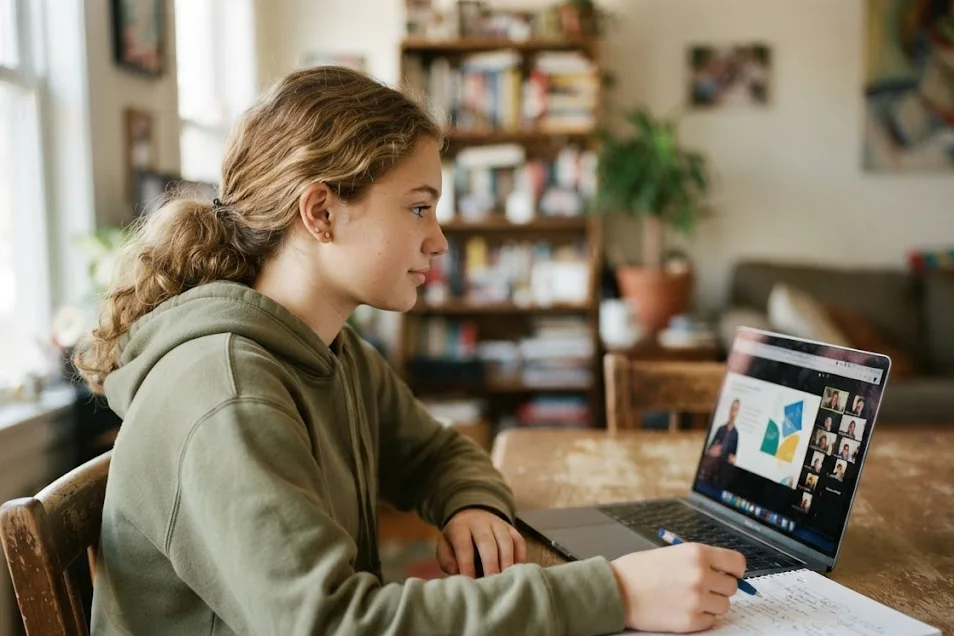 01Learn
Understand Mind and Breath
- Watch short animated lessons about mindfulness, breath, and meditation.
- See characters notice stress and use their breath to calm down.
- Discover techniques like belly breathing and single-pointed focus.
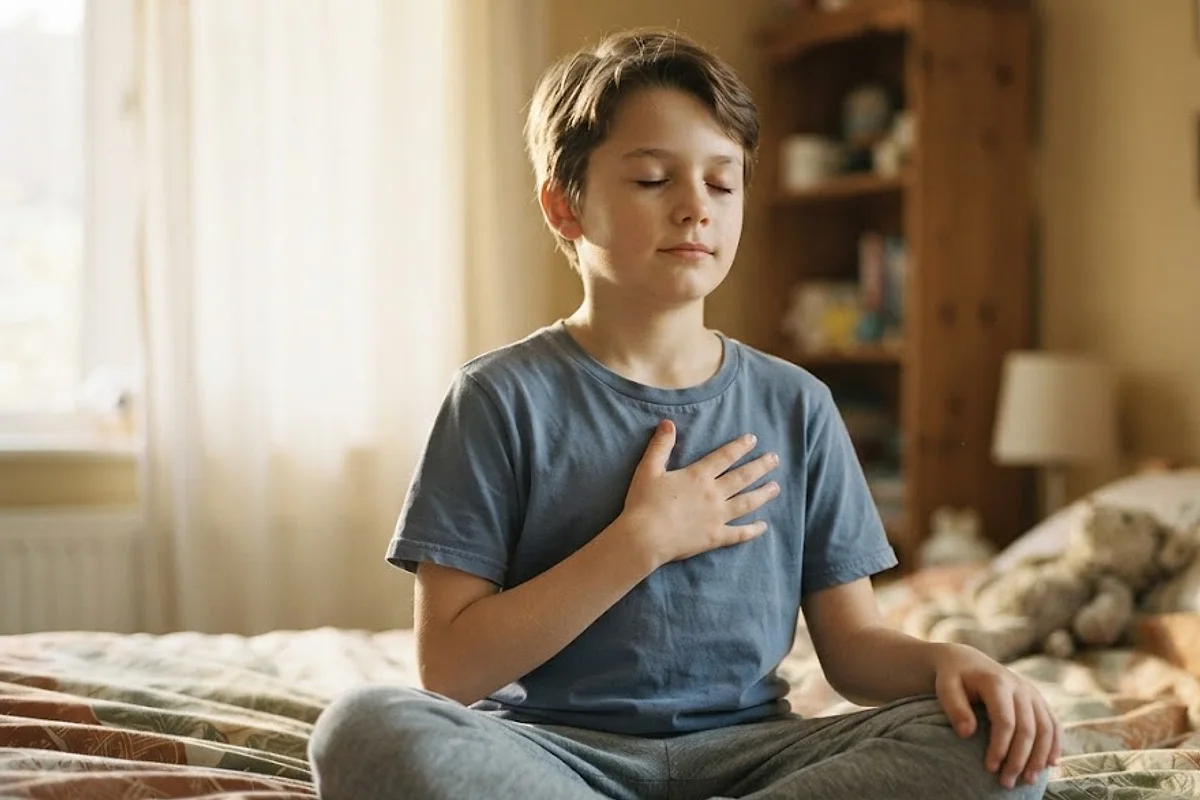 02Practice & Reflect
Breathe and Notice
- Work through scenario-based Try Its where available.
- Practice guided breathing and short meditations.
- Reflect on what their body and breath tell them in module exercises.
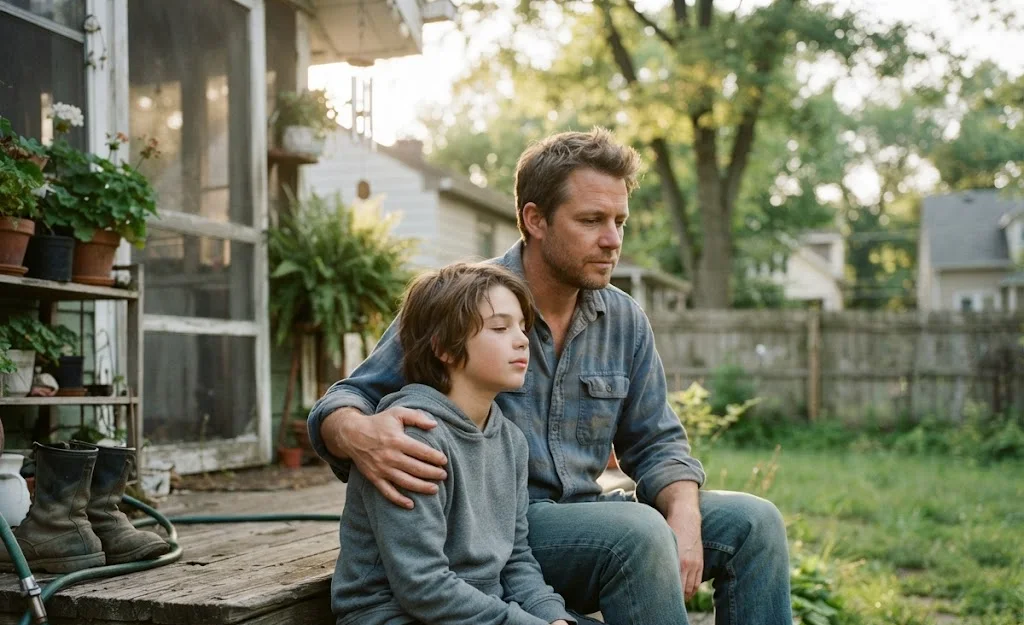 03Apply
Find Calm Beyond the Screen
- Take three slow breaths before a test or game.
- Set up a quiet corner for a few minutes of meditation.
- Notice where they feel stress in their body.
- Talk with a parent about what helps them calm down.
Success isn't a perfectly still mind. It's noticing, breathing, and coming back, again and again.
What Research Tells Us About Mindfulness, Breathing & Stress
Researchers have studied mindfulness programs in schools and how simple breathing practices affect mood. These findings describe general patterns, not predictions for any individual child.
- In the Classroom
Mindfulness lessons supported focus and well-being.
- Four classes of 4th and 5th graders (99 children) were randomly assigned to a mindfulness program or a standard one.
- The mindfulness group improved more in cognitive control, empathy, and optimism.
- The study took place in one Canadian city.
- Across Schools
School mindfulness programs help mental health.
- A review combined 24 school-based studies with 3,977 students.
- Mindfulness programs improved students' mental health.
- The effects were small to moderate.
- Five Minutes a Day
Brief breathing practice lifts mood.
- 111 adults practiced breathing or meditation for five minutes a day for a month.
- All groups reported less anxiety and better mood.
- A breathing exercise with long exhales improved mood the most.
The evidence points to practice: mindfulness lessons and short daily breathing can support focus and mood. Meditation Foundation: Breath & Self-Awareness is built around that approach, without promising guaranteed results.
Why Meditation Foundation: Breath & Self-Awareness Is Part of the Readiness Program
The Readiness Program prepares children for more independence step by step. This course arrives last, giving them a way to manage the pressure that comes with it.
Why It Comes Last
- It completes the journey. After Goal-Setting: Gaining Tools for Success, children learn to manage the stress that comes with working toward bigger goals.
- It deepens where the program began. Mindful You: Living with Purpose opens the program; this course turns mindful awareness into a daily breathing and meditation practice.
- It supports clear thinking. A calmer mind helps children use the judgment and problem-solving they practiced earlier in the program.
- It prepares for high school. Breathing and meditation give children a tool to carry into the pressures of their teenage years.
The Readiness ProgramCourse 7 of 7
- 1–4Four Earlier CoursesPurpose · Choices · Problem-Solving · Online Safety
- 5Financial Literacy IMoney & Practical Responsibility
- 6Goal-Setting: Gaining Tools for SuccessPlanning & Follow-Through
- 7This CourseMeditation Foundation: Breath & Self-AwarenessMindfulness & Stress Regulation
The course isn't a standalone fix. It's one step in a longer sequence that gives calm time to become a habit.
Frequently Asked Questions About Meditation Foundation: Breath & Self-Awareness
Practical answers about what your child will learn, what the course asks of your family, and how it fits into Bloomster's programs.
Who is Meditation Foundation: Breath & Self-Awareness designed for?
It uses everyday situations relevant to children roughly 9 to 14. It is the seventh and final course in the Readiness Program, designed around ages 12–14. What your child is experiencing matters more than an exact age.
What will my child learn in this course?
Children learn what mindfulness is, how to notice distractions and return to the present, how thoughts, feelings, and the body connect, and how to use breathing techniques like belly breathing. They also learn the basics of meditation and how to build a regular practice.
Is meditation religious?
No. The course teaches meditation as a practical skill for attention, breathing, and managing stress. It focuses on noticing thoughts, feelings, and the breath.
How long does the course take?
Your child moves at their own pace. The four modules contain 32 short animated lessons, 8 practice activities, and a module exercise at the end of each. Inside a program, courses are spaced across roughly a year, which gives this one several weeks to settle into daily life.
How much time should my child spend on it each week?
We suggest two 30-minute learning sessions each week. A few minutes of breathing or meditation on other days helps the practice stick. If a week gets missed, simply pick up again.
Do I need to be involved as a parent?
You don't need to teach the course. Protect the learning time, notice what your child is working on, and try a few slow breaths together before bed or a stressful event. Bloom, the parent side of Bloomster, helps you follow along.
My child can't sit still. Can they still learn to meditate?
Yes. The course starts small, with short breathing exercises and body awareness, and treats a wandering mind as normal. Noticing the wandering and coming back is the practice.
Is this course a treatment for anxiety?
No. The course teaches everyday skills for managing stress and worry. If your child's anxiety is affecting daily life, talk with your pediatrician or a mental health professional.
Can I enroll my child in this course by itself?
Bloomster is organized around learning journeys rather than single-course purchases. Meditation Foundation: Breath & Self-Awareness is part of the Readiness Program, and it may also be recommended within a Personalized Course Journey. Finding your start shows where your child might begin.
How will I know whether my child is making progress?
Look for small signs: taking a breath before reacting, naming where they feel stress, settling down more quickly, or choosing a few quiet minutes on their own. Progress is rarely a straight line.
Explore the Readiness Program — See the Bigger Journey
Calm and self-awareness are capabilities among many. The Readiness Program connects them with purpose, decision-making, problem-solving, digital safety, money, and goals.
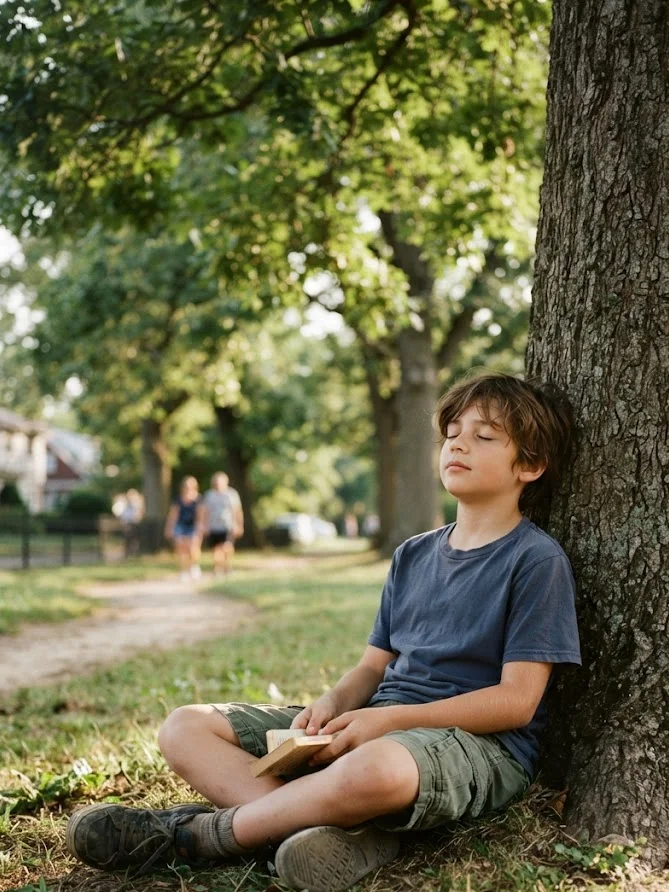
Calm Grows Alongside Other Skills
- This course builds mindfulness, breath awareness, and a meditation habit.
- Earlier courses develop the purpose, judgment, and planning it supports.
- As the final course, it helps children carry these skills into high school.
- Steady practice across months gives these capabilities time to connect in everyday life.
Meditation isn't about a quiet mind. It's about your child knowing how to find calm, wherever they are.