
Cultivating Empathy
Understanding Others Is a Skill. Your Child Can Learn It.
Help your child recognize how others feel, see situations from their point of view, and respond in ways that build real connection.
- 4Core Modules
- 28Lessons & Exercises
- 12Developmental Subskills
- 1Learning Program
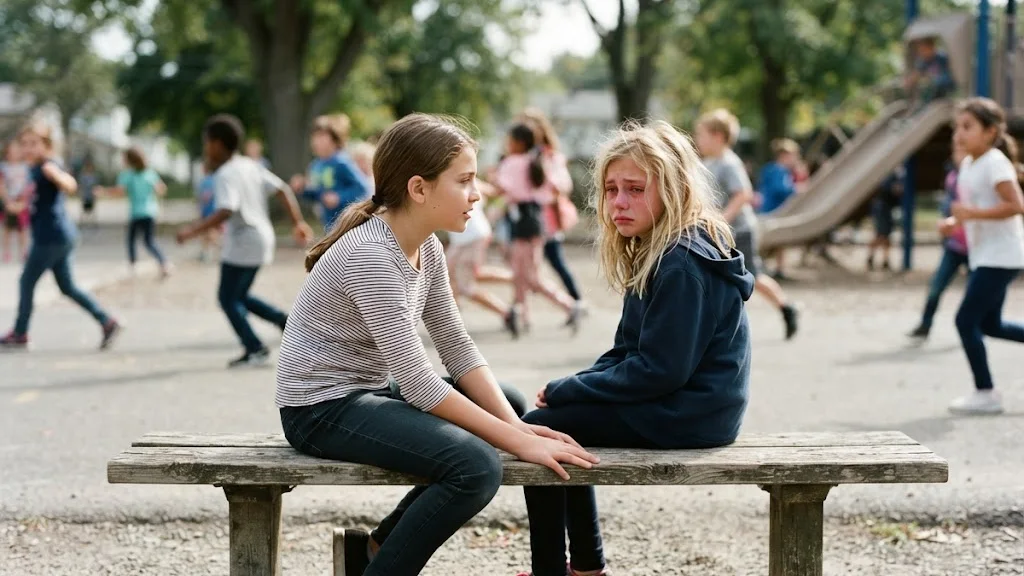
Why Does Empathy Come So Hard for Your Child?
They miss how a friend is feeling, talk instead of listening, or lose all perspective in an argument. Often it isn't selfishness. Empathy takes skills still developing.
 Missing the Signals
Not Noticing How Others Feel
- A friend's quiet mood goes unnoticed.
- Faces and tone are hard to read.
- They assume others feel the way they do.
 Listening
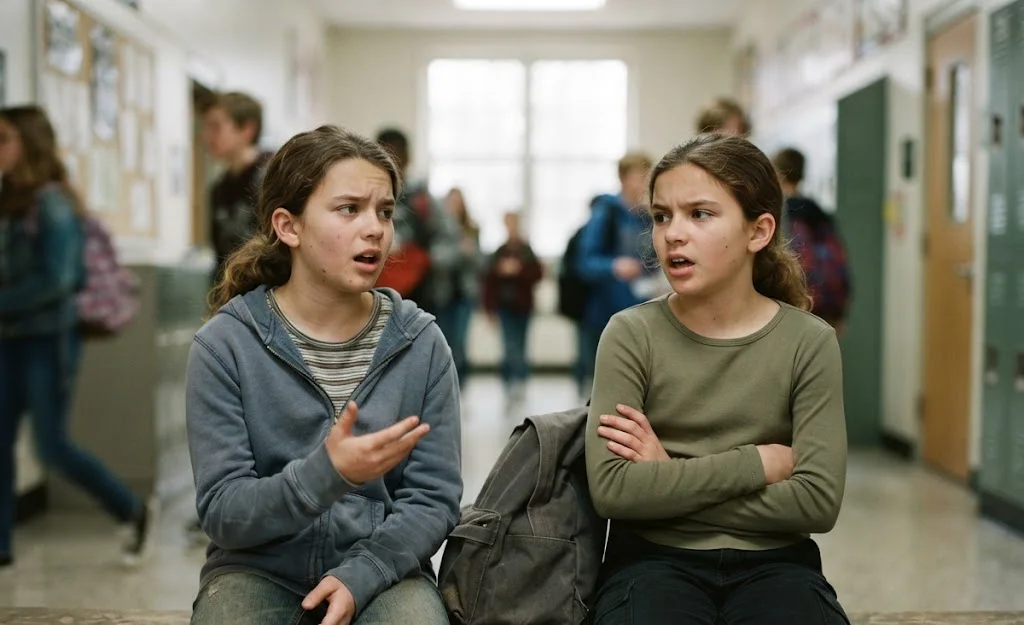
Talking More Than Listening
- They jump in with their own story.
- Advice comes before understanding.
- Others don't feel truly heard.
 In Conflict
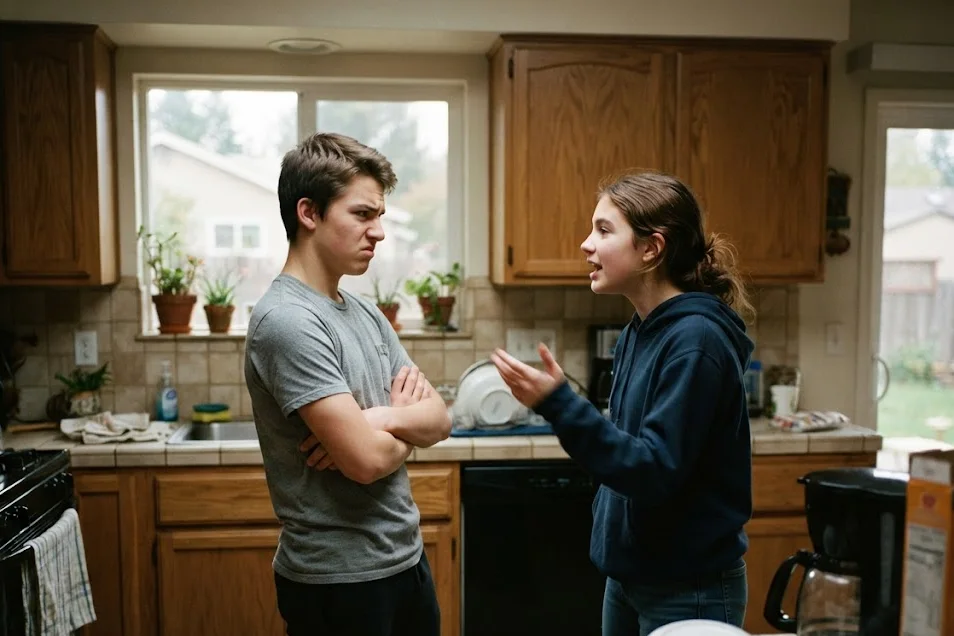
Empathy Disappears in Arguments
- Only their side seems to matter.
- Strong feelings block perspective.
- Small fights wear down trust.
Empathy isn't something children either have or don't. It can be learned, practiced, and grown in everyday relationships.
Why Empathy Matters More as They Grow
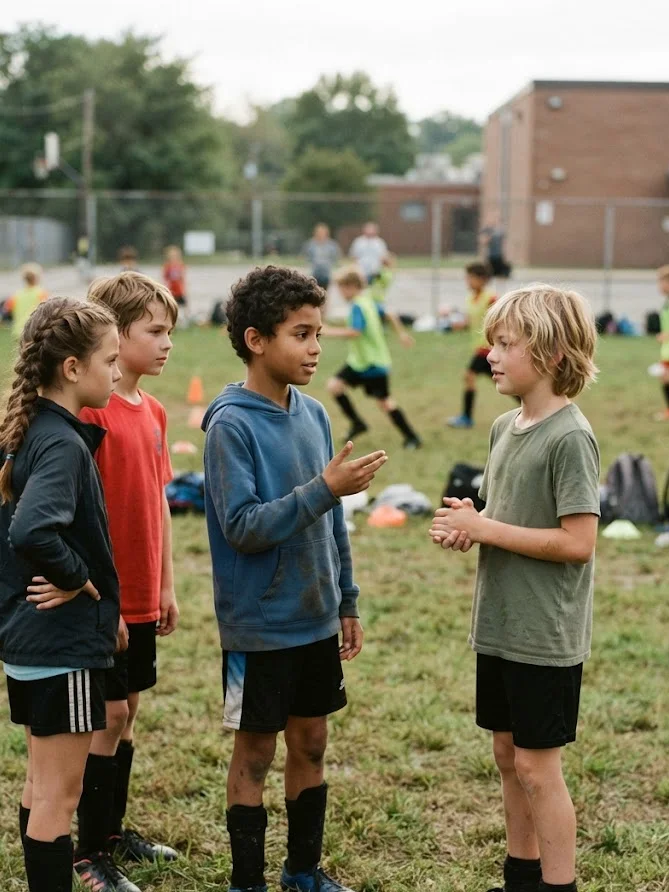
As children grow, friendships, teams, and family relationships get more complex. Empathy helps them navigate all of it.
Relationships Get More Complex
- Friendships deepen. Older children rely on friends for support, and expect understanding in return.
- Conflicts get trickier. Seeing the other side helps disagreements end without lasting damage.
- Groups get more diverse. Empathy helps children connect with people unlike themselves.
- Leadership depends on it. People trust and follow those who understand them.
- Empathy isn't agreeing with everyone. It's understanding how others feel, even when they see things differently.
The goal isn't a child who absorbs everyone's emotions. It's one who understands others and responds with care.
What Cultivating Empathy Helps Your Child Develop
Empathy isn't one feeling. The course breaks it into specific capabilities children can understand, practice, and strengthen over time.
Understanding What Empathy Is
Learn the difference between sympathy and truly understanding how someone feels.
Listening So Others Feel Heard
Listen in a way that makes others feel understood, not just heard.
Extending Empathy to Everyone
Show genuine empathy to people whose experiences differ from their own.
Recognizing and Managing Emotions
Notice their own feelings and use that awareness to respond well.
Seeing Through Others' Eyes
Practice seeing situations from other people's points of view.
Each capability supports the others: understanding, listening, and perspective-taking help children build relationships people can trust.
Inside the Course — Four Modules, From Understanding Empathy to Living It
The course starts with what empathy is, explores its role in relationships and leadership, develops empathetic communication, and ends with putting empathy into practice.
- 01
Growing Empathy
What empathy is and how it differs from sympathy.
- Understand empathy and how it differs from sympathy.
- Recognize emotions in themselves and others.
- Practice seeing situations from others' perspectives.
- See how compassion and small kindnesses build empathy.
- 02
Roles Empathy Plays
Empathy in friendships, family, and leadership.
- Use empathy in relationships with peers and family.
- Practice empathy during conflicts to build trust.
- See how empathy makes them a stronger leader.
- Create belonging in their community.
- 03
Communication and Empathy
Listening and responding with understanding.
- Read verbal and nonverbal cues.
- Practice active, empathetic listening.
- Express empathy through words and body language.
- Work through barriers in difficult conversations.
- 04
Practicing Empathy
Turning empathy into everyday action.
- Bring empathy into daily life through acts of kindness.
- Practice empathy across differences.
- Use empathy in teams and competitive settings.
- Set goals for growing their empathy.
Course structure
- 4Modules
- 24Instructional Lessons
- 8Practice Activities
 Course badgeEmpathy Griffin — The Connector
Together, the modules move children from understanding empathy to showing it in how they listen, speak, and act.
From Learning to Real Life — How Your Child Practices Empathy
Knowing how others might feel is easier than pausing to ask in the middle of an argument. Empathy grows through practice, reflection, and real relationships.
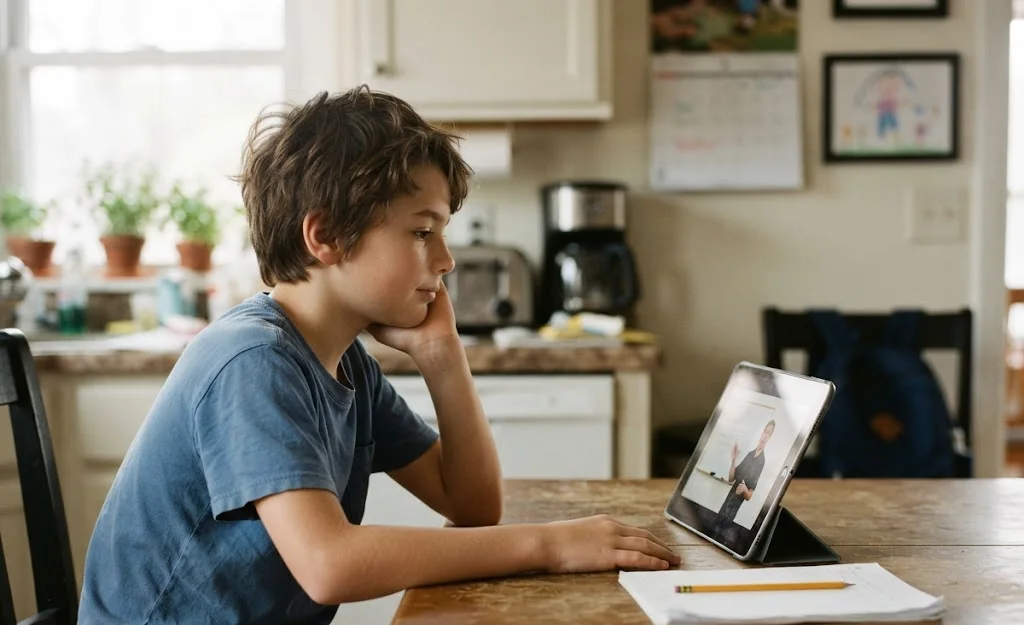 01Learn
Understand How Others Feel
- Watch short animated lessons about empathy, listening, and kindness.
- See characters read cues and respond with understanding.
- Discover how empathy works in friendships, families, and teams.
 02Practice & Reflect
Imagine the Other Side
- Work through scenario-based Try Its where available.
- Imagine how each person in a situation might feel.
- Reflect on their own empathy in module exercises.
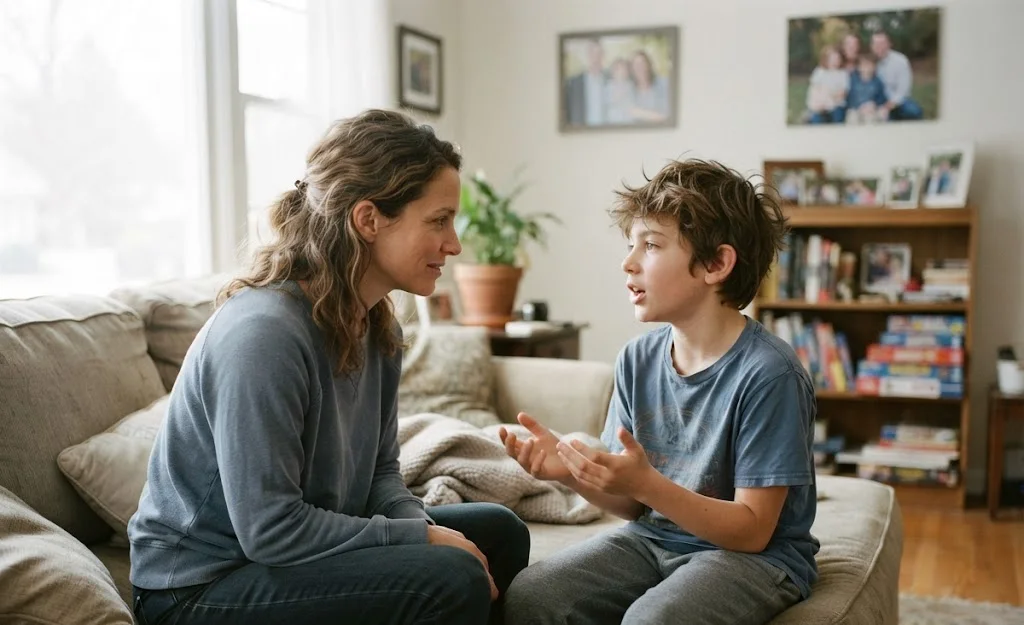 03Apply
Show Empathy Beyond the Screen
- Ask a friend how they're really doing, and listen.
- Notice someone who seems left out and include them.
- Pause during an argument to name the other person's feelings.
- Talk with a parent about a time someone understood them.
Success isn't always knowing what to say. It's noticing, listening, and showing people they matter.
What Research Tells Us About Empathy, Kindness & Caring
Researchers have studied whether empathy can be taught and what children learn about caring from adults. These findings describe general patterns, not predictions for any individual child.
- In Schools
Empathy programs encourage kindness.
- A study followed 585 children in grades 4 to 7 across 28 classrooms.
- Children in an empathy program were rated more helpful by peers and less aggressive by teachers.
- Their self-reported empathy did not change significantly.
- It Can Be Trained
Empathy training works.
- A review combined 18 randomized trials of empathy training.
- Training increased empathy with a medium-sized effect.
- Effects were larger for some groups, such as university students.
- What Kids Hear
Children notice what adults prioritize.
- A survey of about 10,000 middle and high school students asked what their parents value most.
- About 80% said their parents care more about achievement or happiness than caring for others.
- Most parents say raising caring children is a top priority.
The evidence points to practice: empathy can be strengthened, and children learn from what adults emphasize. Cultivating Empathy is built around that approach, without promising guaranteed results.
Why Cultivating Empathy Is Part of the Foundations Program
The Foundations Program builds self-awareness and relationship skills step by step. This course arrives once children can understand and express their own feelings.
Why It Comes Fourth
- It builds on emotional understanding. After Emotional You: Managing Your Emotions, children apply what they know about their own feelings to understanding others.
- It follows communication. Listening and expression from Communication Foundations become the tools of empathetic conversation.
- It prepares for friendship. Understanding others sets up Relationship Building Basics, the next course.
- It supports standing up for others. Empathy helps children recognize and respond to bullying later in the program.
The Foundations ProgramCourse 4 of 7
- 1–3Three Earlier CoursesSelf-Awareness · Emotions · Communication
- 4This CourseCultivating EmpathyPerspective-Taking
- 5Relationship Building BasicsFriendships & Relationships
- 6–7Two Later CoursesSocial Safety · Gratitude
The course isn't a standalone fix. It's one step in a longer sequence that gives empathy time to develop.
Frequently Asked Questions About Cultivating Empathy
Practical answers about what your child will learn, what the course asks of your family, and how it fits into Bloomster's programs.
Who is Cultivating Empathy designed for?
It uses everyday situations relevant to children roughly 9 to 14. It is the fourth course in the Foundations Program, designed around ages 9–10. What your child is experiencing matters more than an exact age.
What will my child learn in this course?
Children learn how empathy differs from sympathy, how to recognize emotions in themselves and others, and how to see situations from other perspectives. They practice active listening, reading nonverbal cues, using empathy in conflict, and acting with kindness.
Can empathy really be taught?
Yes. Research shows empathy can be strengthened with practice. The course breaks it into concrete skills, like reading cues, listening, and perspective-taking, that children can practice and improve.
How long does the course take?
Your child moves at their own pace. The four modules contain 24 short animated lessons, 8 practice activities, and a module exercise at the end of each. Inside a program, courses are spaced across roughly a year, which gives this one several weeks to settle into daily life.
How much time should my child spend on it each week?
We suggest two 30-minute learning sessions each week. Friendships, sibling moments, and team activities between sessions give your child real chances to practice. If a week gets missed, simply pick up again.
Do I need to be involved as a parent?
You don't need to teach the course. Protect the learning time, notice what your child is working on, and talk about feelings in everyday moments, like wondering aloud how a character in a show might feel. Bloom, the parent side of Bloomster, helps you follow along.
My child is already very sensitive to others' feelings. Will this still help?
Yes. The course also covers recognizing and managing their own emotions, so caring children can respond to others' feelings while managing their own.
Does the course cover empathy during conflict?
Yes. Module 2 explores using empathy during conflicts to build trust and resolve issues, and Module 3 covers working through barriers in difficult conversations.
Can I enroll my child in this course by itself?
Bloomster is organized around learning journeys rather than single-course purchases. Cultivating Empathy is part of the Foundations Program, and it may also be recommended within a Personalized Course Journey. Finding your start shows where your child might begin.
How will I know whether my child is making progress?
Look for small signs: asking how someone feels, listening without interrupting, noticing a left-out classmate, or considering the other side in a disagreement. Progress is rarely a straight line.
Explore the Foundations Program — See the Bigger Journey
Empathy is one capability among many. The Foundations Program connects it with self-awareness, emotions, communication, friendship, and kindness.
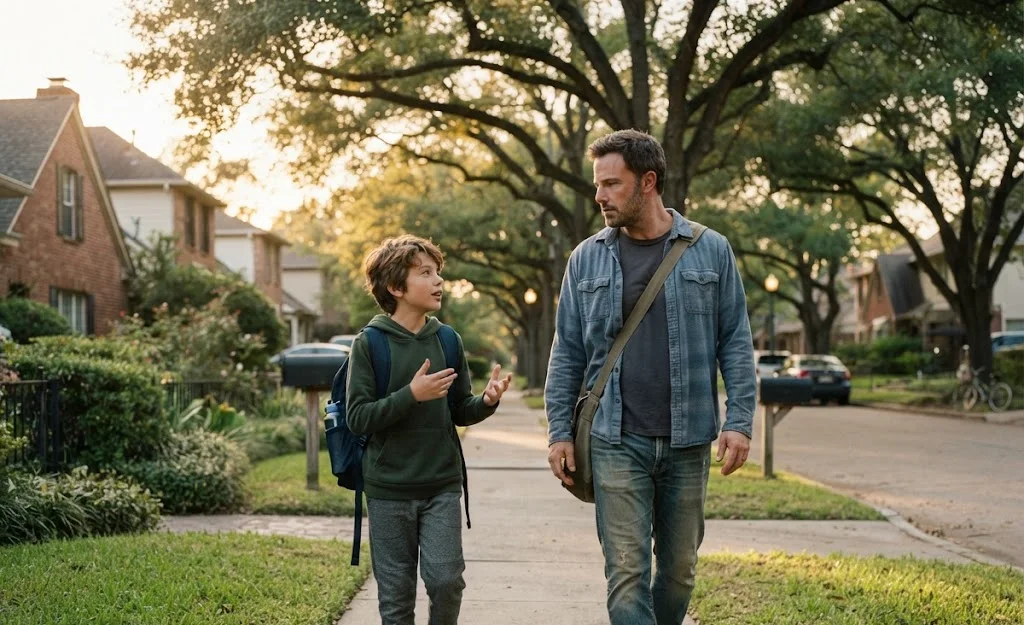
Empathy Grows Alongside Other Skills
- This course builds perspective-taking, listening, and compassion.
- Earlier courses develop the self-awareness and communication empathy draws on.
- Later courses apply it to friendships, bullying, and gratitude.
- Steady practice across months gives these capabilities time to connect in everyday life.
Explore how the Foundations Program sequences its seven courses, and whether it fits what your child needs right now.
 Free PDF · No account neededFree Empathy Guide for ParentsReal-life scenarios and questions to talk through empathy with your child at home.
Empathy isn't about feeling everything. It's about your child understanding others, and letting them know it.