
Identifying and Dealing With Bullies
Bullying Thrives When No One Speaks Up. Your Child Can Learn What to Do.
Help your child recognize bullying, stand up for themselves, safely support others, and know when and how to get help.
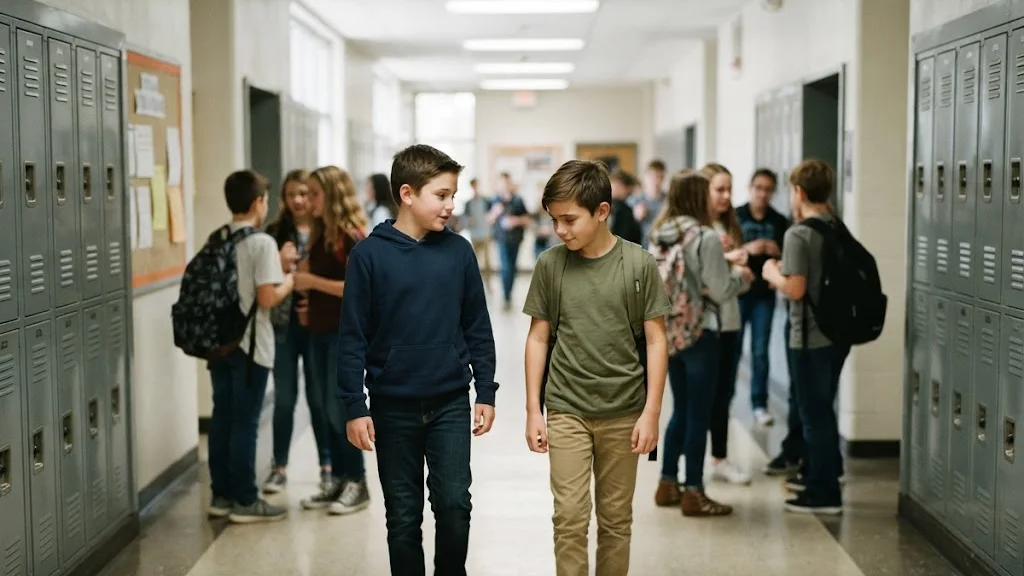
- 4Core Modules
- 34Lessons & Exercises
- 12Developmental Subskills
- 1Learning Program
Why Is Bullying So Hard for Your Child to Handle?
They aren't sure it counts, it follows them online, or they keep it to themselves. Often it isn't weakness. Handling bullying takes skills still developing.
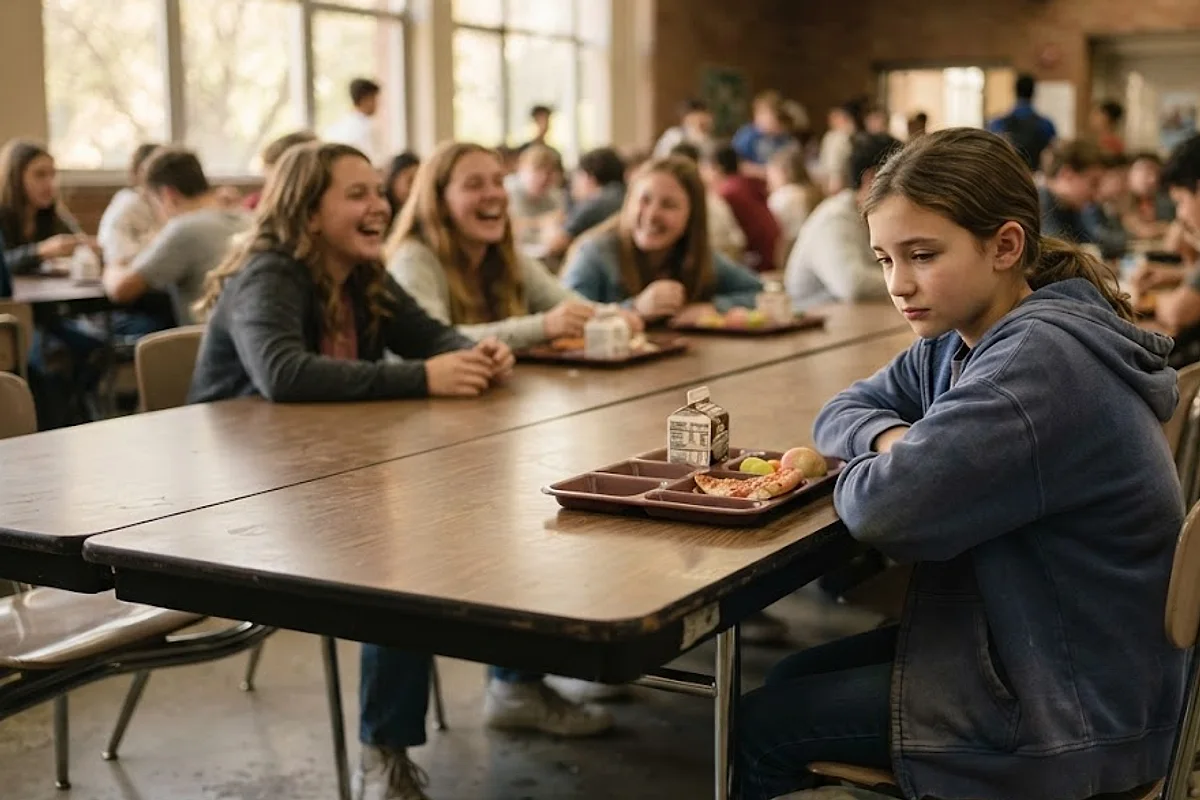 Left Out
Excluded on Purpose
- Exclusion and rumors are harder to spot than hitting.
- They're unsure whether it's bullying or normal conflict.
- It's hard to know what to do next.
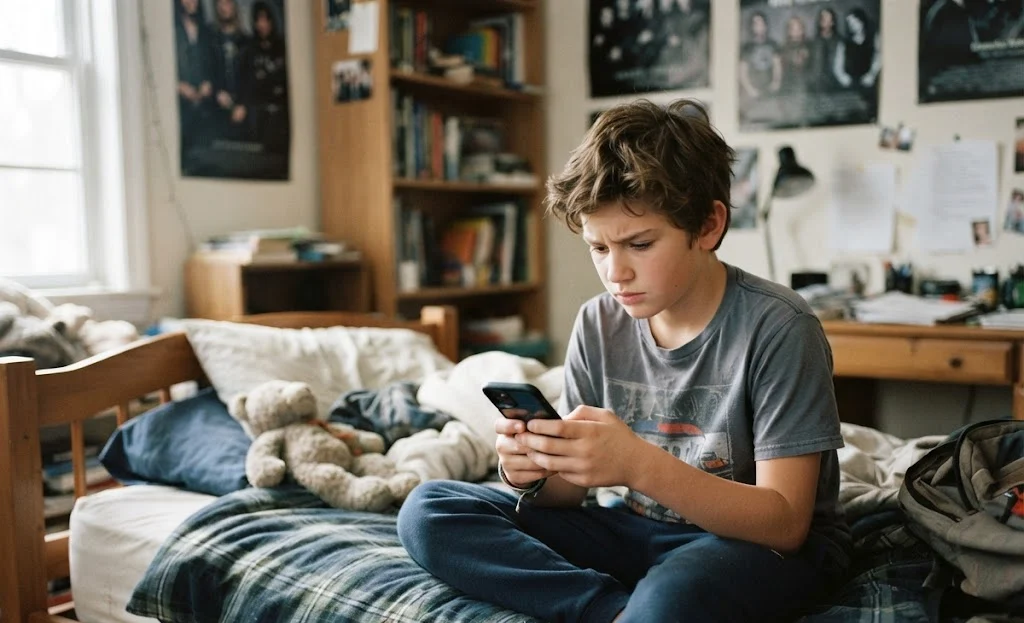 Online
It Follows Them Home
- Mean messages and posts arrive at any hour.
- Screenshots spread hurtful moments fast.
- They aren't sure how to block, save, or report.
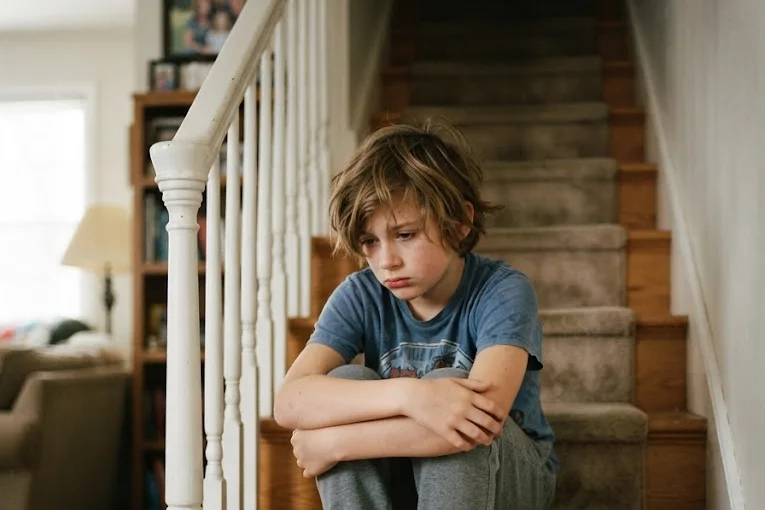 Staying Silent
Keeping It to Themselves
- Telling an adult feels like it will make things worse.
- They worry about being seen as a snitch.
- Bystanders watch but don't know how to help.
Handling bullying isn't about being tough. It's a set of skills children can learn, practice, and use for themselves and others.
Why Bullying Skills Matter More as They Grow
As children move toward middle school, their social world gets bigger and more of it happens online, where bullying can be harder to see.
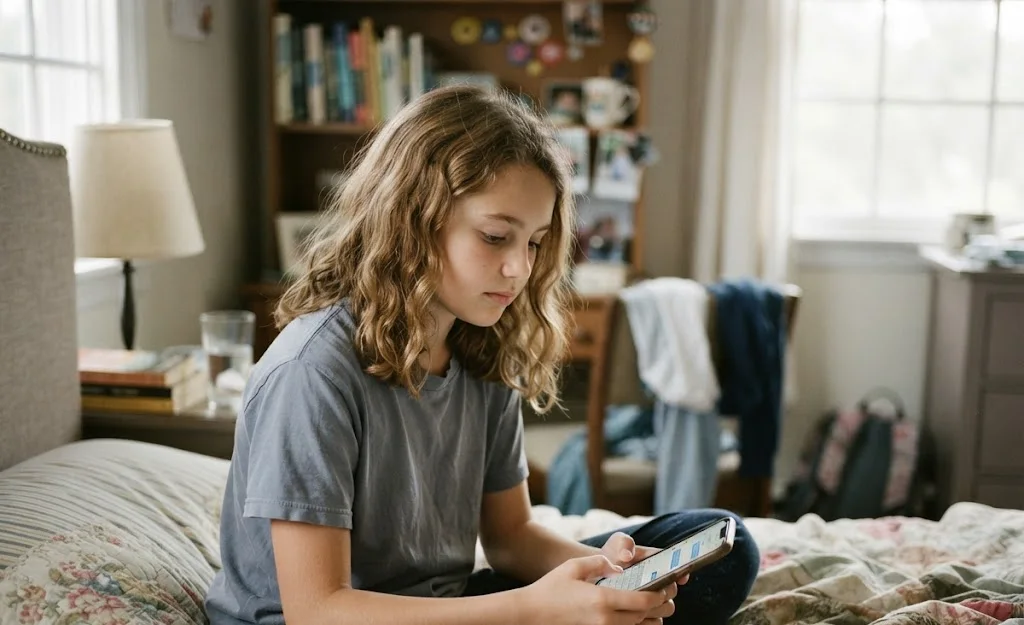
Social Life Gets More Complicated
- Bullying gets subtler. Exclusion, rumors, and group chats can hurt as much as physical bullying.
- Phones go everywhere. Online cruelty can reach children at home, late at night, and in front of many people.
- Bystanders have power. Peers are often present when bullying happens, and what they do can change the outcome.
- Speaking up takes practice. Asking for help and standing up for themselves get easier when children know what to say.
- Handling bullying isn't about fighting back. It's about recognizing it, staying safe, and getting the right people involved.
The goal isn't a child who never faces unkindness. It's one who knows what bullying is, what to do, and who to turn to.
What Identifying and Dealing With Bullies Helps Your Child Develop
Handling bullying isn't one skill. The course breaks it into specific capabilities children can understand, practice, and strengthen over time.
Recognizing Bullying
Tell the difference between bullying and normal conflict, and recognize bullying when they see it.
Stepping Up Instead of Standing By
Move from watching when something wrong happens to safely helping.
Standing Up for Others
Support peers who are being targeted or treated unfairly.
Understanding Cyberbullying
Recognize cyberbullying, understand its harm, and know how to respond.
Acting Responsibly Online
Be a thoughtful, ethical participant in digital spaces.
Each capability supports the others: recognizing bullying, speaking up, and acting responsibly online help children make their groups safer for everyone.
Inside the Course — Four Modules, From Defining Bullying to Taking Action
The course starts by defining bullying, explores the signs and roles involved, examines its impact on everyone, and ends with practical steps to take action.
- 01
Defining Bullying
What bullying is, and what it isn't.
- Understand what bullying is, its types, and its warning signs.
- Tell the difference between a disagreement and bullying.
- Recognize cyberbullying and practice responsible digital citizenship.
- Consider how bullying feels to the people affected.
- 02
Signs of Bullying and Roles
Who is involved and how to spot it.
- Recognize signs that someone may be experiencing bullying.
- Understand the roles of the bully, the target, and the bystander.
- Reflect honestly on whether any of their own behaviors could hurt others.
- Learn how to move from bystander to upstander.
- 03
Bullying Impacts Everyone
The effects, and why speaking up matters.
- Understand how bullying affects targets, bystanders, and those who bully.
- Explore why people often don't tell, and how to create safe spaces.
- Build self-advocacy skills and know how to ask for help.
- Understand their rights and how schools should support students.
- 04
Taking Action
Being a friend, an advocate, and an upstander.
- Advocate for others with empathy and courage.
- Respond to cyberbullying and know how to report it.
- Use friendship and kindness to reduce bullying.
- Plan everyday actions that make their community kinder.
Course structure
- 4Modules
- 30Instructional Lessons
- 10Practice Activities
 Course badgeObsidian Puma — The Revealer
Together, the modules move children from recognizing bullying to knowing how to respond, for themselves and for others.
From Learning to Real Life — How Your Child Practices Handling Bullying
Knowing what to do is easier than doing it when a group is laughing. These skills grow through practice, reflection, and conversations with trusted adults.
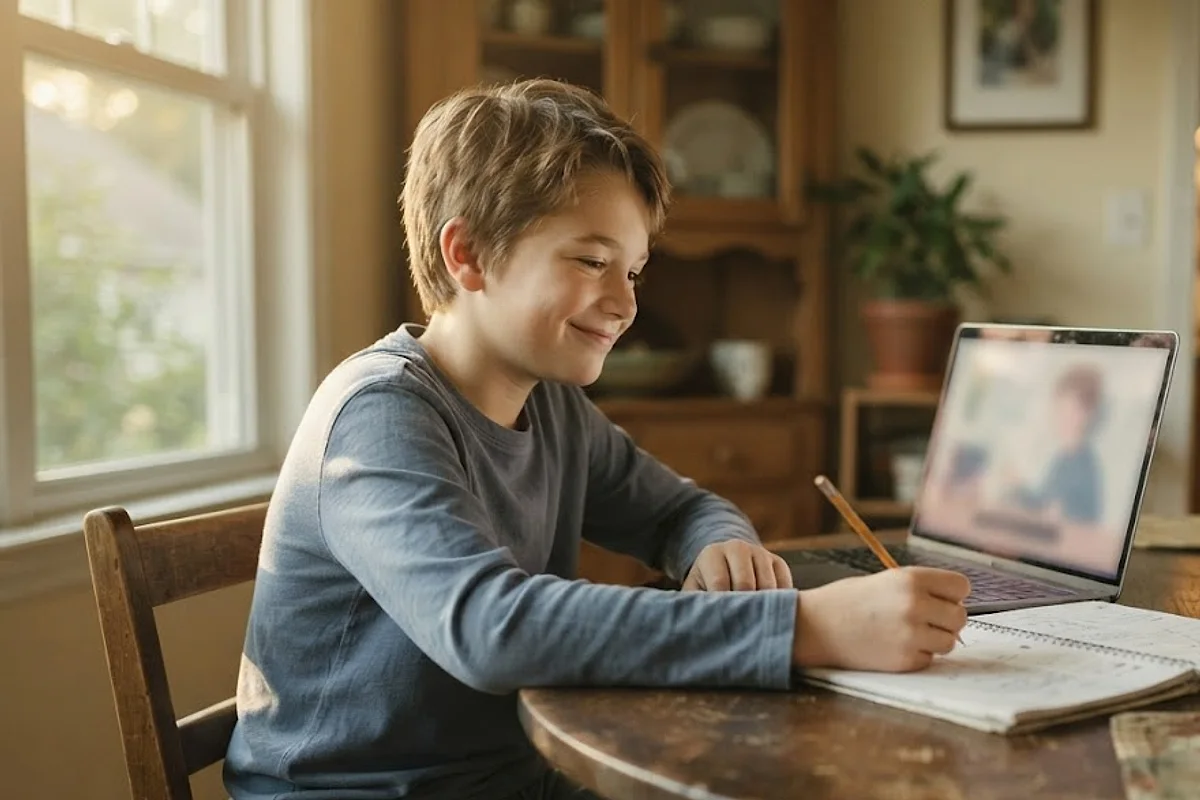 01Learn
Understand How Bullying Works
- Watch short animated lessons about bullying, roles, and cyberbullying.
- See characters recognize bullying and choose how to respond.
- Discover ways to report bullying and support others.
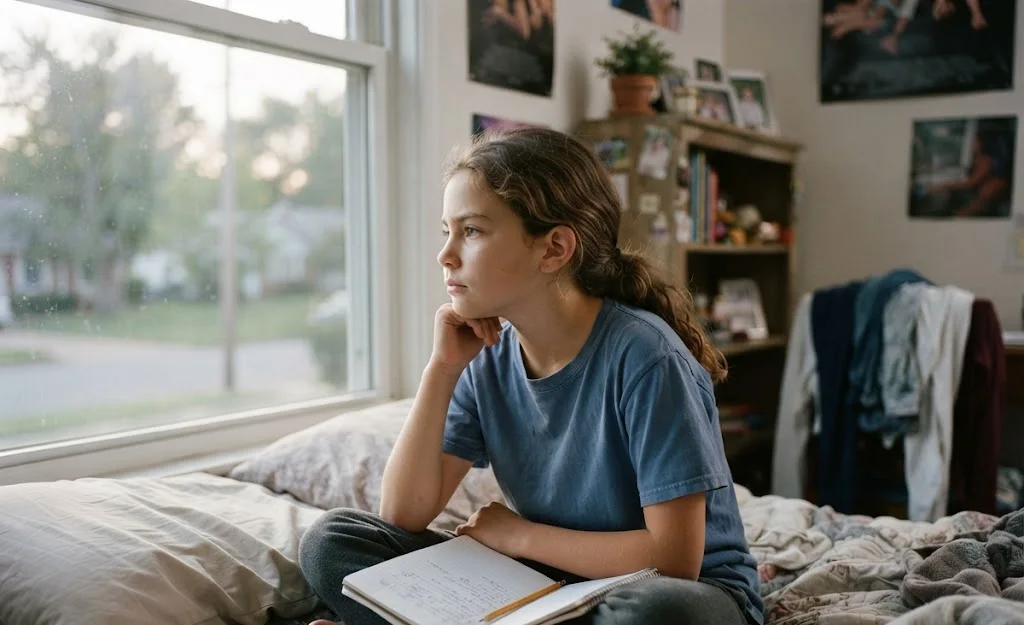 02Practice & Reflect
Plan What to Say and Do
- Work through scenario-based Try Its where available.
- Decide whether a situation is bullying or normal conflict.
- Reflect on their own role in group situations in module exercises.
 03Apply
Speak Up Beyond the Screen
- Sit with a classmate who is often left out.
- Save and report a hurtful message instead of replying.
- Name a trusted adult they could go to at school.
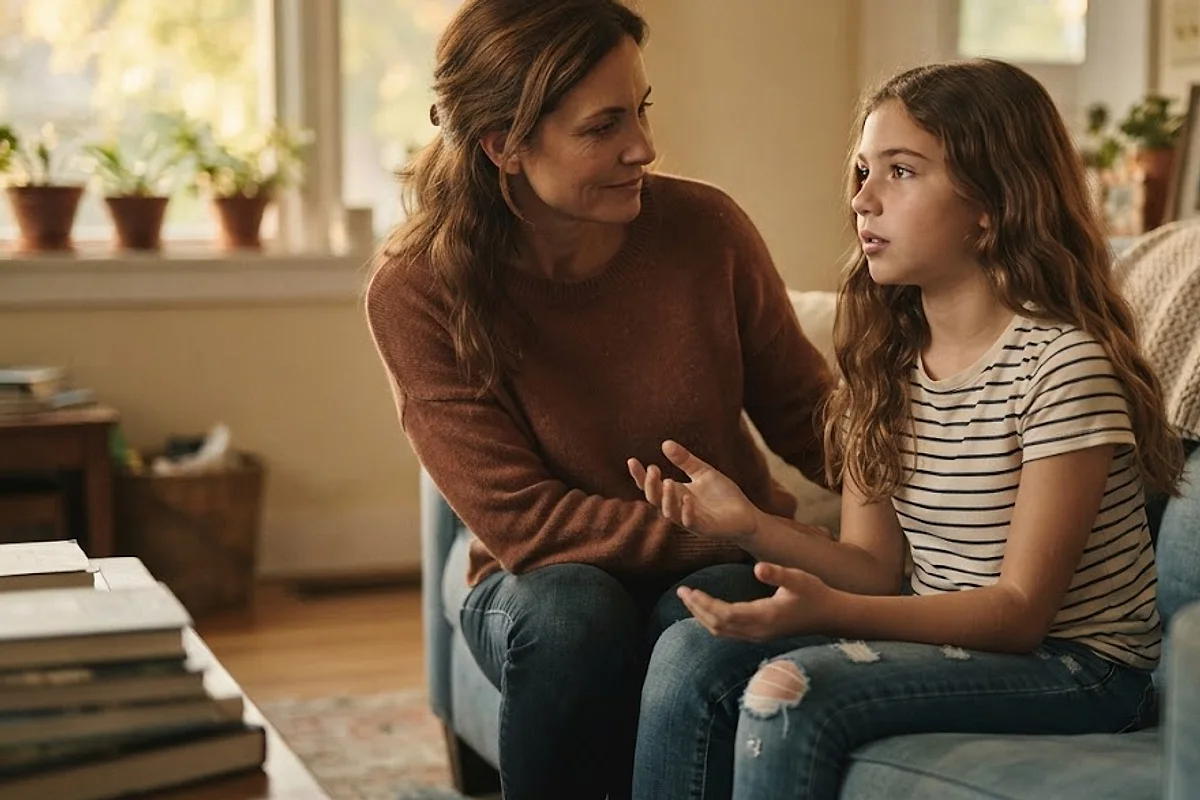
- Talk with a parent about what to do if they see bullying.
Success isn't facing bullying alone. It's knowing what to do, and making it safe for others to speak up too.
What Research Tells Us About Bullying, Bystanders & Prevention
Researchers have studied what happens when bullying occurs and which approaches reduce it. These findings describe general patterns, not predictions for any individual child.
- Peers Are There
Bystanders can stop bullying.
- Researchers recorded bullying on school playgrounds.
- Peers were present in 88% of episodes but stepped in during only 19%.
- When peers did step in, most interventions stopped the bullying.
- Teaching Bystanders
Bystander programs make a difference.
- A review of 12 school programs included 12,874 students.
- Programs increased how often students stepped in to help.
- Effects were small, and larger in high schools.
- Prevention Works
School programs reduce bullying.
- A review of 44 evaluations examined school-based anti-bullying programs.
- On average, bullying fell by about 20–23% and being bullied by 17–20%.
- Results varied between programs.
The evidence points to action: peers who step in and schools that teach skills can reduce bullying. Identifying and Dealing With Bullies is built around that approach, without promising guaranteed results.
Why Identifying and Dealing With Bullies Is Part of the Foundations Program
The Foundations Program builds self-awareness and relationship skills step by step. This course arrives once children understand feelings, empathy, and friendship.
Why It Comes Sixth
- It builds on empathy. After Cultivating Empathy, children understand how bullying feels to the person targeted.
- It protects healthy friendships. Following Relationship Building Basics, children learn what to do when relationships turn hurtful.
- It gives children a voice. Self-advocacy and reporting draw on the communication practiced in Communication Foundations.
- It leads into gratitude. Kindness and community prepare children for What is Gratitude?, the program's final course.
The Foundations ProgramCourse 6 of 7
- 1–4Four Earlier CoursesSelf-Awareness · Emotions · Communication · Empathy
- 5Relationship Building BasicsFriendships & Relationships
- 6This CourseIdentifying and Dealing With BulliesSocial Safety & Self-Advocacy
- 7What is Gratitude?Appreciation & Positive Connection
The course isn't a standalone fix. It's one step in a longer sequence that gives these skills time to develop.
Frequently Asked Questions About Identifying and Dealing With Bullies
Practical answers about what your child will learn, what the course asks of your family, and how it fits into Bloomster's programs.
Who is Identifying and Dealing With Bullies designed for?
It uses everyday situations relevant to children roughly 9 to 14. It is the sixth course in the Foundations Program, designed around ages 9–10. What your child is experiencing matters more than an exact age.
What will my child learn in this course?
Children learn what bullying is and how it differs from normal conflict. They explore the roles of the bully, target, and bystander, cyberbullying and digital citizenship, self-advocacy, reporting, and how to stand up safely for others.
My child is being bullied right now. Is this course enough?
No course replaces immediate support. If your child is being bullied, talk with them, keep a record of what is happening, and contact the school. Alongside that support, the course can help your child understand what is happening, speak up, and know where to turn.
How long does the course take?
Your child moves at their own pace. The four modules contain 30 short animated lessons, 10 practice activities, and a module exercise at the end of each. Inside a program, courses are spaced across roughly a year, which gives this one several weeks to settle into daily life.
How much time should my child spend on it each week?
We suggest two 30-minute learning sessions each week. Lunch, recess, and group chats between sessions give your child real chances to practice. If a week gets missed, simply pick up again.
Do I need to be involved as a parent?
You don't need to teach the course. Protect the learning time, notice what your child is working on, and ask open questions about lunch, recess, and group chats. Make sure your child knows they can tell you anything. Bloom, the parent side of Bloomster, helps you follow along.
Does the course cover cyberbullying?
Yes. Modules 1 and 4 cover cyberbullying, responsible digital citizenship, and what children can do when they see or receive hurtful messages online, including reporting them.
Will this teach my child to fight back?
No. The course focuses on recognizing bullying, staying safe, speaking up, and getting help from trusted adults. Standing up for themselves means using their voice and their support network.
Can I enroll my child in this course by itself?
Bloomster is organized around learning journeys rather than single-course purchases. Identifying and Dealing With Bullies is part of the Foundations Program, and it may also be recommended within a Personalized Course Journey. Finding your start shows where your child might begin.
How will I know whether my child is making progress?
Look for small signs: naming bullying when they see it, telling you about a hard moment, sitting with someone who is left out, or reporting a hurtful message. Progress is rarely a straight line.
Explore the Foundations Program — Where These Skills Lead Next
Handling bullying is one capability among many. The Foundations Program connects it with self-awareness, empathy, friendship, and gratitude.
Bullying Skills Grow Alongside Other Skills
- This course builds recognition, self-advocacy, and upstander skills.
- Earlier courses develop the empathy and friendship skills it draws on.
- The final course, What is Gratitude?, turns that kindness into a daily habit.
- Steady practice across months gives these capabilities time to connect in everyday life.
Handling bullying isn't about being fearless. It's about your child knowing their voice matters, and using it.