
What is Gratitude?
Gratitude Is More Than Saying Thanks. Your Child Can Make It a Habit.
Help your child notice the good, express thanks in meaningful ways, and turn appreciation into everyday kindness.
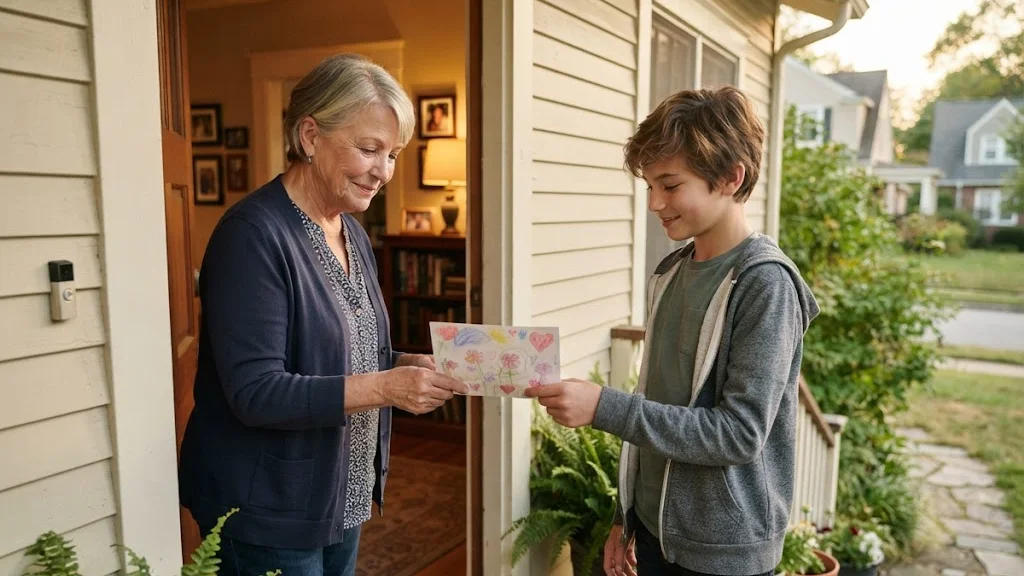
- 4Core Modules
- 36Lessons & Exercises
- 12Developmental Subskills
- 1Learning Program
Why Does Gratitude Feel So Hard for Your Child?
They focus on what others have, take everyday things for granted, or let one bad moment ruin the day. Often it isn't ungratefulness. Gratitude takes skills still developing.
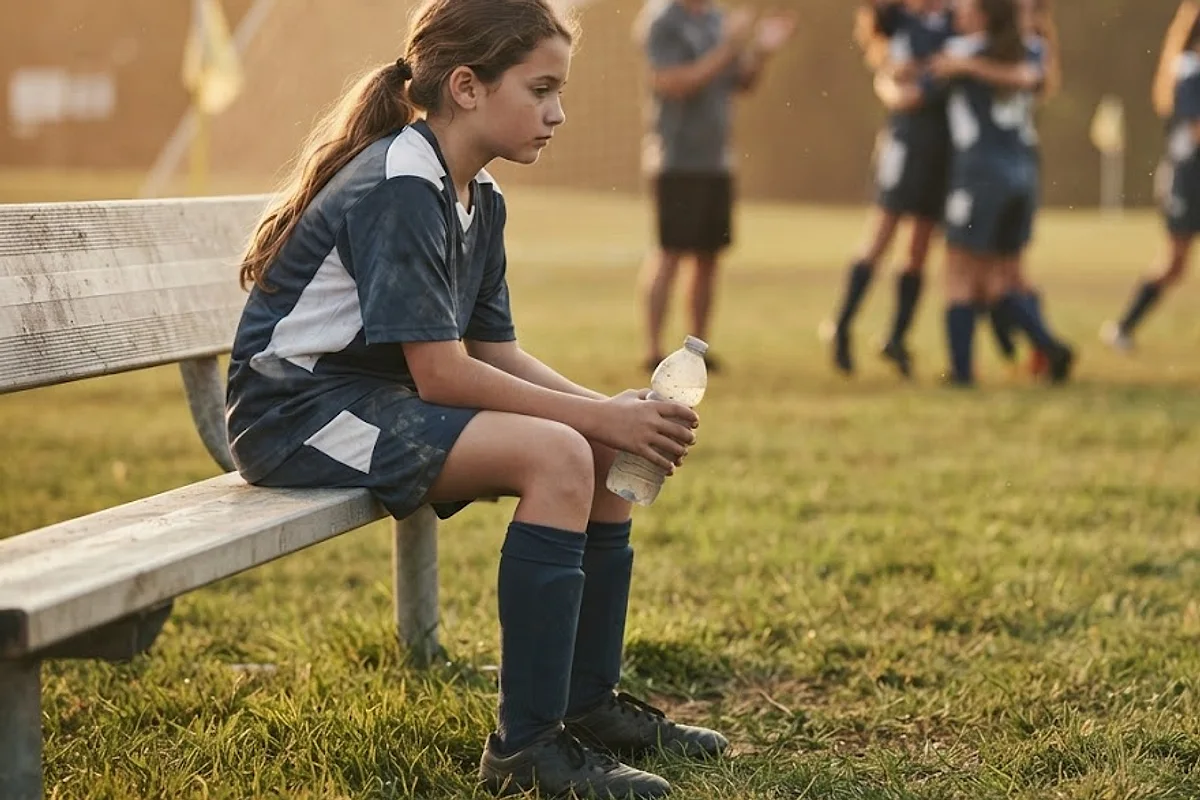 Comparing
Focused on What's Missing
- Others seem to have more or do better.
- Feeds make comparison constant.
- What they already have fades into the background.
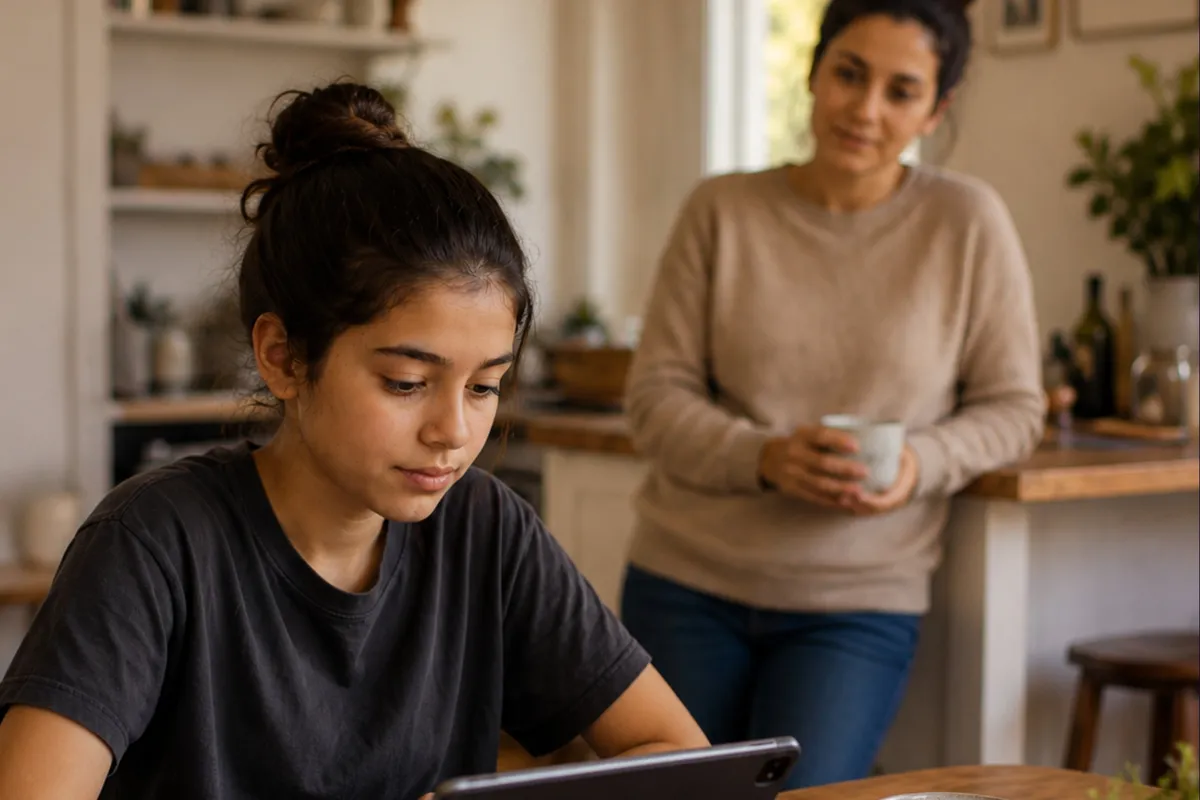 For Granted
Thanks on Autopilot
- Meals, rides, and help just seem to appear.
- Thank you is said out of habit, if at all.
- They don't notice the effort others make.
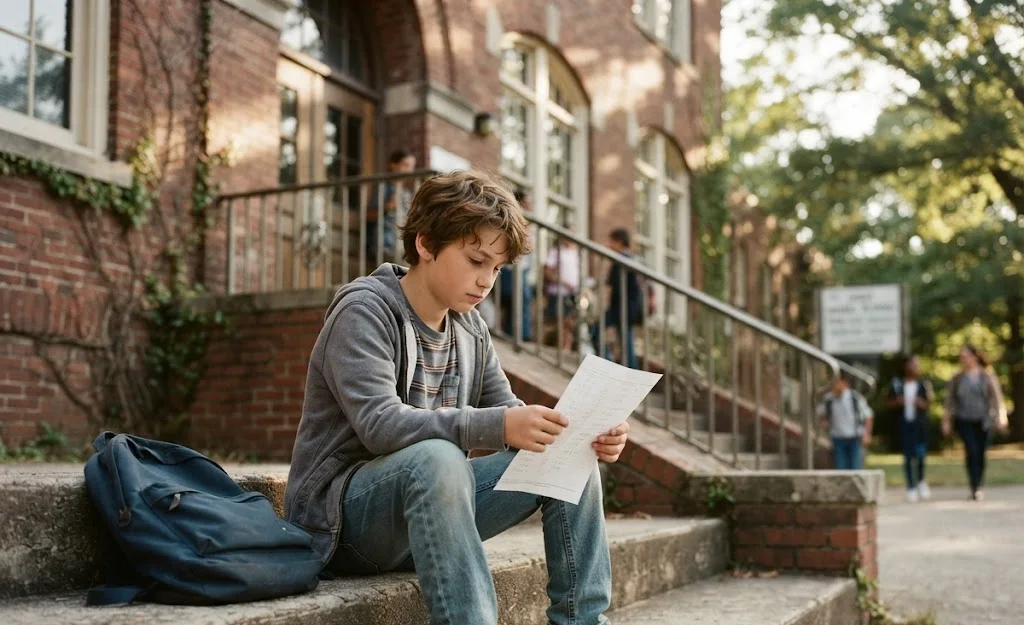 Hard Days
One Bad Moment Takes Over
- A disappointment colors the whole day.
- It's hard to see anything good when upset.
- Small wins go unnoticed.
Gratitude isn't a trait some children are simply born with. It can be learned, practiced, and grown in everyday moments.
Why Gratitude Matters More as They Grow
As children grow, comparison, pressure, and setbacks increase. Gratitude helps them keep perspective and stay connected to the people around them.
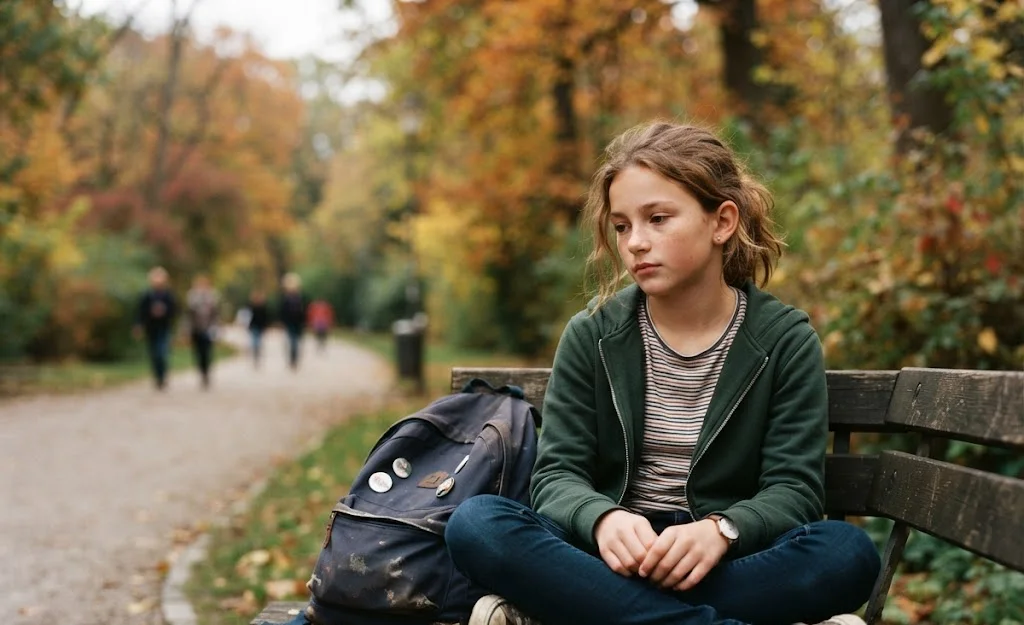
Perspective Gets Harder to Keep
- Comparison grows. Social media and school make it easy to measure themselves against others.
- Setbacks get bigger. Gratitude helps children find balance when things don't go their way.
- Relationships deepen. Noticing and thanking others strengthens friendships and family bonds.
- Well-being is built daily. Small, regular gratitude practices are linked to better mood and life satisfaction.
- Gratitude isn't pretending everything is fine. It's noticing what's good alongside what's hard.
The goal isn't a child who is always cheerful. It's one who notices the good, thanks others, and keeps perspective on hard days.
What “What is Gratitude?” Helps Your Child Develop
Gratitude isn't one feeling. The course breaks it into specific capabilities children can understand, practice, and strengthen over time.
Building a Daily Gratitude Habit
Make gratitude a regular practice, not just something for special occasions.
Noticing, Thinking, Feeling, Doing
Use a four-step approach to notice gratitude, reflect on it, feel it, and act on it.
Showing Gratitude Through Kindness
Use acts of kindness as one of the most powerful ways to express thanks.
Understanding Gratitude's Benefits
Learn how gratitude can lift mood and support resilience.
Finding Balance on Hard Days
Use gratitude to find a more balanced view when things feel hard.
Each capability supports the others: noticing, thanking, and acting kindly help children make gratitude part of who they are.
Inside the Course — Four Modules, From Noticing the Good to Acts of Kindness
The course explains what gratitude is, teaches four principles for practicing it, explores meaningful ways to say thank you, and ends with acts of kindness.
- 01
What is Gratitude?
What gratitude means and why it helps.
- Understand what gratitude truly means.
- Explore its short-term and long-term benefits, including mood and sleep.
- Find small and big ways to show gratitude every day.
- Look for the silver lining during tough times.
- 02
Four Principles of Gratitude
Noticing, thinking, feeling, and doing.
- Learn the four steps of gratitude and how they work together.
- Spot moments worth being grateful for.
- Feel gratitude genuinely and take action to express it.
- Plan how to make gratitude a daily habit.
- 03
Saying Thank You
Meaningful, sincere ways to thank others.
- Understand why saying thank you matters to others.
- Learn different and more personal ways to express thanks.
- Choose the right words for different situations.
- Recognize chances to say thank you, even on hard days.
- 04
Acts of Kindness
Turning gratitude into action.
- Understand how kindness expresses gratitude.
- Personalize acts of kindness for the people around them.
- See how kindness benefits others and themselves.
- Check that their kindness comes from genuine care.
Course structure
- 4Modules
- 32Instructional Lessons
- 7Practice Activities
 Course badgeRose Dragon — The Appreciator
Together, the modules move children from understanding gratitude to living it through everyday words and actions.
From Learning to Real Life — How Your Child Practices Gratitude
Knowing gratitude is good is easier than feeling it after a rough day. Gratitude grows through practice, reflection, and small daily actions.
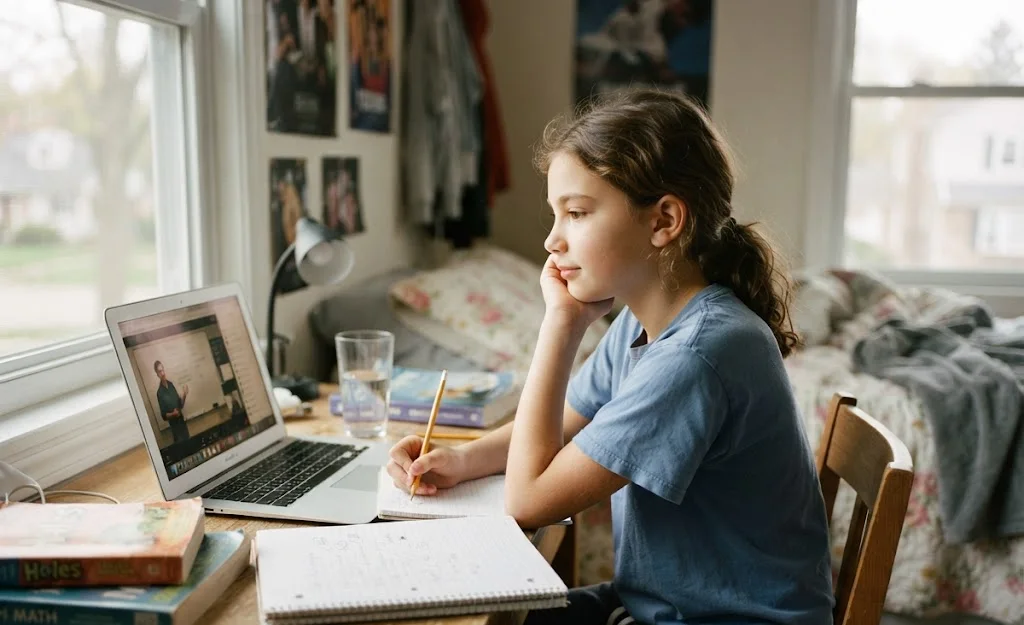 01Learn
Understand What Gratitude Is
- Watch short animated lessons about gratitude and kindness.
- See characters notice the good and say thank you meaningfully.
- Discover the four principles of gratitude.
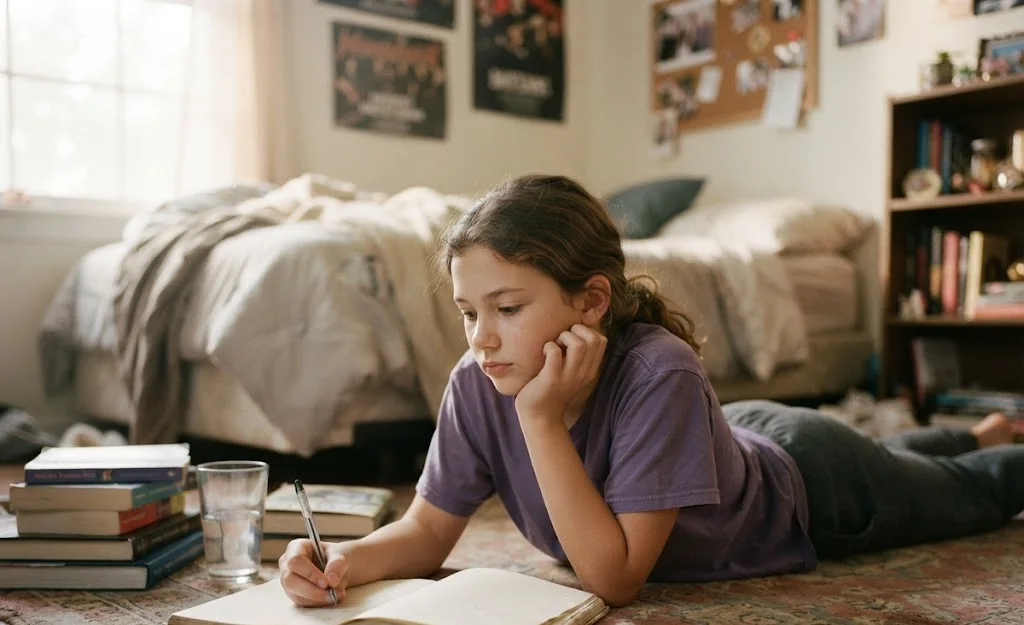 02Practice & Reflect
Notice and Reflect
- Work through scenario-based Try Its where available.
- Identify which gratitude principle fits a moment.
- Reflect on their own gratitude in module exercises.
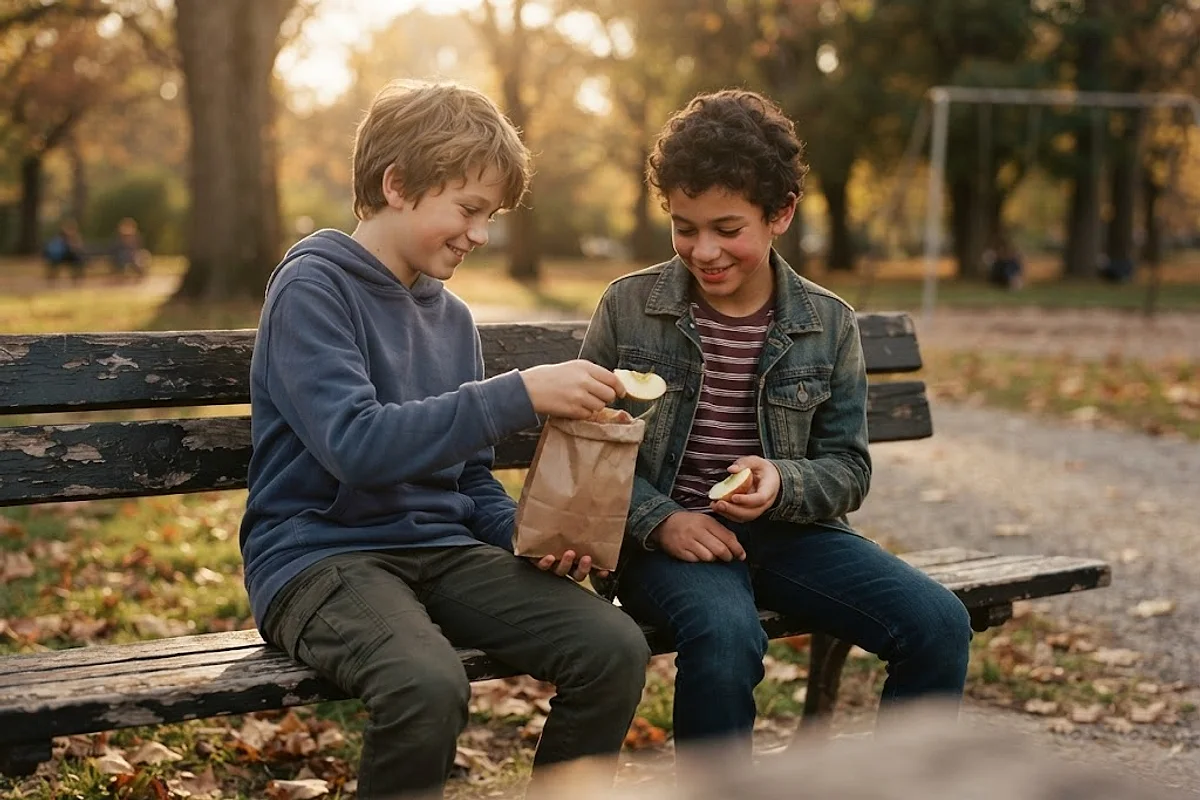 03Apply
Show It Beyond the Screen
- Name three good things at dinner.
- Write a thank-you note to someone who helped them.
- Do one act of kindness without being asked.
- Talk with a parent about a hard day that had a bright spot.
Success isn't feeling grateful all the time. It's noticing the good more often, and letting people know.
What Research Tells Us About Gratitude, Kindness & Well-Being
Researchers have studied whether gratitude can be taught and how practicing it affects well-being. These findings describe general patterns, not predictions for any individual child.
- Teaching Gratitude
Children can learn to think gratefully.
- Researchers tested gratitude lessons with 8- to 11-year-olds.
- Children who had the lessons wrote 80% more thank-you cards afterward.
- A weekly version raised gratitude for up to five months.
- Counting Blessings
Regular gratitude lifts well-being.
- In one study, some college students listed what they were grateful for each week.
- They felt better about their lives and more optimistic than comparison groups.
- The participants were adults.
- Saying Thanks
Expressing thanks makes a difference.
- Adults in an online study wrote and delivered a letter of thanks.
- This gratitude visit produced large positive changes in happiness.
- The effects lasted about one month.
The evidence points to practice: gratitude can be taught, and expressing it regularly supports well-being. “What is Gratitude?” is built around that approach, without promising guaranteed results.
Why “What is Gratitude?” Is Part of the Foundations Program
The Foundations Program builds self-awareness and relationship skills step by step. This course arrives last, once children understand feelings, empathy, friendship, and kindness.
Why It Comes Last
- It completes the journey. After Identifying and Dealing With Bullies, children turn kindness and courage into everyday appreciation.
- It deepens relationships. Gratitude strengthens the friendships children build in Relationship Building Basics.
- It builds on empathy. Noticing what others do for them draws on the perspective-taking from Cultivating Empathy.
- It supports well-being. A gratitude habit gives children a way to keep perspective as they move into new challenges.
The Foundations ProgramCourse 7 of 7
- 1–4Four Earlier CoursesSelf-Awareness · Emotions · Communication · Empathy
- 5Relationship Building BasicsFriendships & Relationships
- 6Identifying and Dealing With BulliesSocial Safety & Self-Advocacy
- 7This CourseWhat is Gratitude?Appreciation & Positive Connection
The course isn't a standalone fix. It's one step in a longer sequence that gives gratitude time to become a habit.
Frequently Asked Questions About “What is Gratitude?”
Practical answers about what your child will learn, what the course asks of your family, and how it fits into Bloomster's programs.
Who is “What is Gratitude?” designed for?
It uses everyday situations relevant to children roughly 9 to 14. It is the seventh and final course in the Foundations Program, designed around ages 9–10. What your child is experiencing matters more than an exact age.
What will my child learn in this course?
Children learn what gratitude is and how it can affect mood, sleep, and relationships. They practice the four principles of noticing, thinking, feeling, and doing, find meaningful ways to say thank you, and build acts of kindness into daily life.
My child already says please and thank you. What more is there?
Manners are a great start. The course goes deeper, helping children notice what others do for them, feel genuine appreciation, and express it in personal, sincere ways, including through kindness.
How long does the course take?
Your child moves at their own pace. The four modules contain 32 short animated lessons, 7 practice activities, and a module exercise at the end of each. Inside a program, courses are spaced across roughly a year, which gives this one several weeks to settle into daily life.
How much time should my child spend on it each week?
We suggest two 30-minute learning sessions each week. Family meals, rides, and everyday help between sessions give your child real chances to practice. If a week gets missed, simply pick up again.
Do I need to be involved as a parent?
You don't need to teach the course. Protect the learning time, notice what your child is working on, and model gratitude yourself: thank your child for specific things, or share one good thing from your day at dinner. Bloom, the parent side of Bloomster, helps you follow along.
Will this help my child on hard days?
It can. Module 1 explores finding the silver lining, and the course practices noticing what is still good during tough times. Gratitude doesn't erase hard feelings, but it can help children keep perspective.
Does gratitude mean ignoring problems?
No. Gratitude works alongside honest feelings. Children learn to notice the good without pretending everything is fine.
Can I enroll my child in this course by itself?
Bloomster is organized around learning journeys rather than single-course purchases. “What is Gratitude?” is part of the Foundations Program, and it may also be recommended within a Personalized Course Journey. Finding your start shows where your child might begin.
How will I know whether my child is making progress?
Look for small signs: a specific thank-you, noticing someone's effort, an unprompted act of kindness, or finding something good in a hard day. Progress is rarely a straight line.
Explore the Foundations Program — See the Bigger Journey
Gratitude is one capability among many. The Foundations Program connects it with self-awareness, emotions, communication, empathy, and friendship.
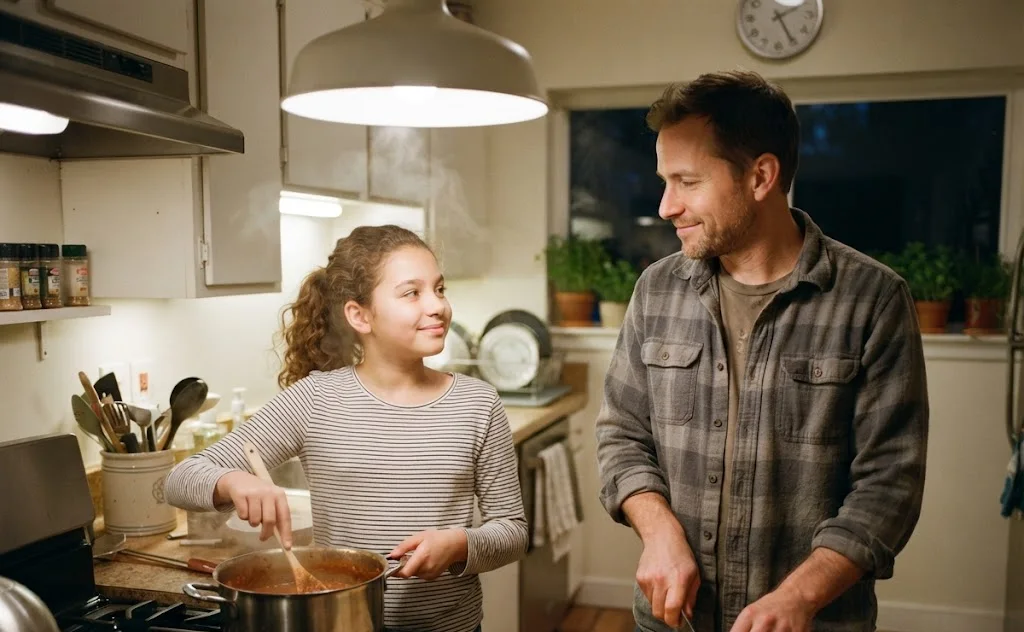
Gratitude Grows Alongside Other Skills
- This course builds appreciation, thankfulness, and everyday kindness.
- Earlier courses develop the self-awareness, empathy, and friendship skills it draws on.
- As the final course, it ties the program's skills together in daily habits.
- Steady practice across months gives these capabilities time to connect in everyday life.
Gratitude isn't about having everything. It's about your child noticing what they have, and the people who make it possible.