
Growing Up Happens Naturally. Growing Into Who They Can Become Deserves Intention.
Confidence, resilience, judgment, and self-direction deserve more than chance. Bloomster brings thoughtful structure to developing these essential life skills.
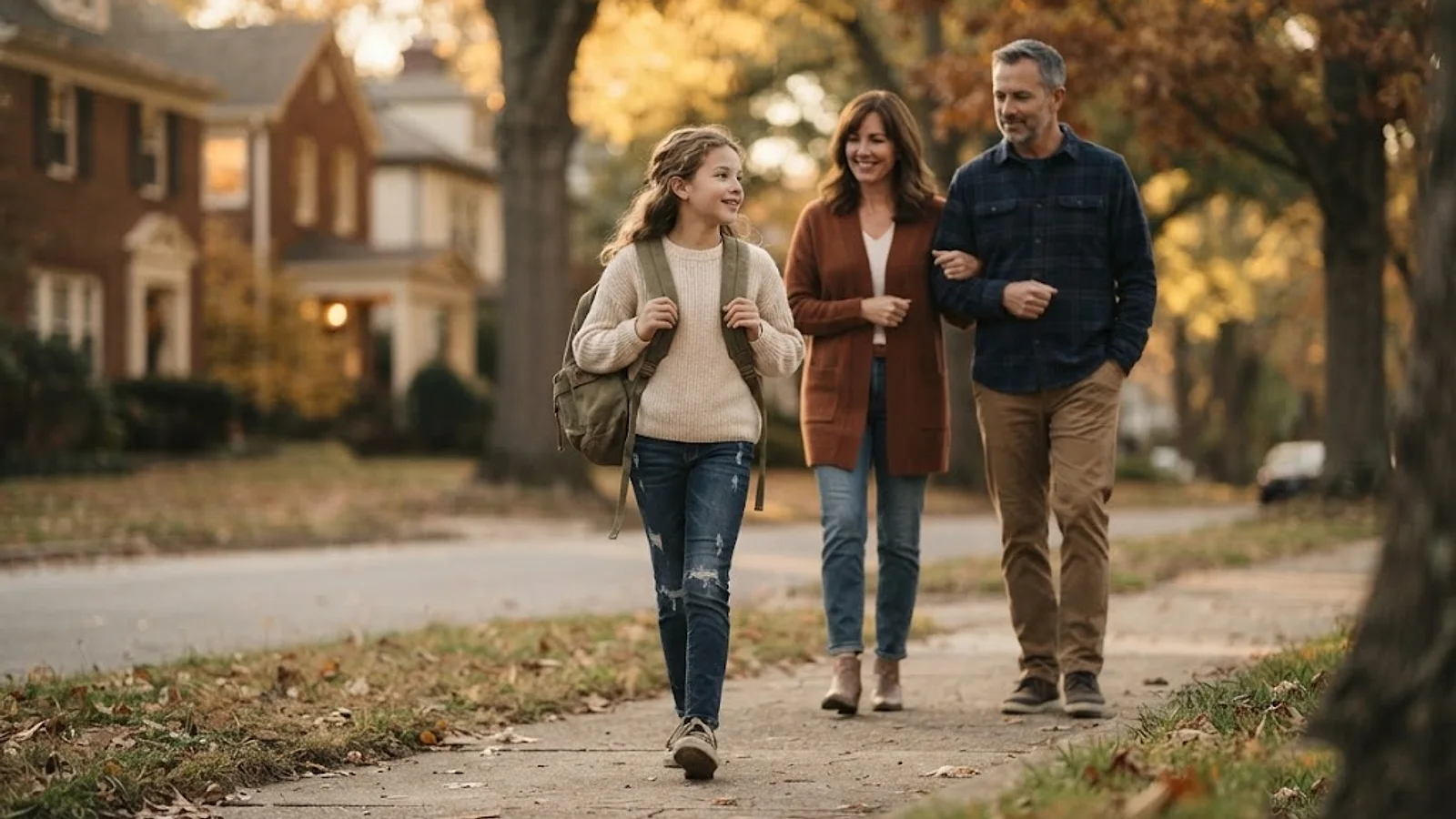
What Your Child Needs at 10 Isn't What They'll Need at 13
As children grow, their world expands. So do the challenges they face, the choices they make, and the capabilities they need to navigate them.
- Around Ages 9–10
Understanding Themselves
- Recognizing and naming emotions
- Understanding their thoughts, feelings, and reactions
- Learning to express what they think and feel
- Building empathy and early friendship skills
- Around Ages 11–12
Managing Their Growing World
- Developing focus and managing responsibilities
- Navigating increasingly complex friendships
- Learning to manage frustration and setbacks
- Making choices with growing independence
- Around Ages 13–14
Becoming More Self-Directed
- Building confidence and resilience
- Making thoughtful decisions under pressure
- Developing personal values and judgment
- Acting with greater self-direction
Growing older changes what children face. Intentional development considers what they may need at each stage.
Three Ways to Build What Matters
Every child develops differently. Some benefit from a pathway built around their age, others from a focused area of growth, and others from a journey that adapts as they progress.
- Window Programs
Grow With Their Stage
- Four thoughtfully sequenced programs aligned with children's developmental stages
- Build capabilities appropriate to the challenges and transitions of growing up
- A structured, approximately year-long journey
- Edge Programs
Focus on What Matters Now
- Three focused programs that bring together complementary skills around a specific area of growth
- Develop capabilities for academic success, leadership, or emotional skills
- A structured, approximately year-long journey
- Personalized Course Journey
A Path That Evolves With Them
- Begin with a course recommended around your child's current needs
- Continue one course at a time, with each next recommendation informed by their learning and evolving needs
- A flexible journey without a predetermined number of courses
No single pathway is right for every child. What matters is choosing an intentional starting point and building from there.
Window Programs — Four Stages of Growing Up
From understanding themselves to navigating increasingly complex choices, each Window Program brings together capabilities that matter at a particular stage of childhood.
Foundations
Ages 9–10Self, Emotions, and Friendships
Understanding Who They Are
Help your child recognize their emotions, understand themselves, express their feelings, and build the foundations for healthy friendships.
- Self-awareness
- Emotional regulation
- Communication
- Empathy
- Relationships
Habits
Ages 10–12Focus, Learning, and Self-Discipline
Learning to Manage Themselves
Help your child develop focus, productive habits, independent thinking, and the ability to work with others and navigate friendship difficulties.
- Focus
- Self-discipline
- Learning habits
- Teamwork
- Forgiveness
Strength
Ages 11–13Confidence, Resilience, and Leadership
Growing Stronger From Within
Help your child build confidence, recover from setbacks, recognize their strengths, and begin taking greater ownership of their actions.
- Confidence
- Resilience
- Self-belief
- Courage
- Leadership
Readiness
Ages 12–14Purpose, Decisions, and Independence
Preparing for Greater Independence
Help your child develop judgment, explore personal values, make thoughtful decisions, plan meaningful goals, and manage growing responsibilities and pressure.
- Decision-making
- Values
- Purpose
- Goal-setting
- Digital awareness
- Financial literacy
- Mindfulness
These age ranges are guides, not rigid boundaries. Each program is designed around a developmental stage, while recognizing that every child grows at their own pace.
Edge Programs — When One Area Deserves More Attention
Sometimes your child's age is not the most useful starting point. You may recognize a particular area where greater confidence, understanding, or practice could make a meaningful difference.
- Academic Success
Building the Skills Behind Better Learning
- Strengthen focus, self-discipline, and learning habits
- Learn to set meaningful goals and follow through
- Build problem-solving skills and greater independence in learning
- Leadership Development
Learning to Lead Themselves and Others
- Develop confidence, initiative, and personal responsibility
- Practice communication, collaboration, and thoughtful decision-making
- Learn to navigate challenges, relationships, and opportunities to lead
- Emotional Skills
Understanding Emotions. Responding With Greater Awareness.
- Recognize and understand emotions and what triggers them
- Build strategies to manage frustration, disappointment, and pressure
- Develop empathy, resilience, and healthier ways of responding
These aren't quick fixes for a particular problem. Each Edge Program brings together a deliberate sequence of complementary skills, giving children time to understand, practice, and strengthen capabilities that matter beyond any single situation.
Personalized Course Journey — One Course at a Time. A Path That Evolves With Your Child.
Not every child needs a predefined program. Sometimes the most meaningful place to begin is with what your child needs today, then thoughtfully build on what they learn.

A Journey Built Around Your Child
- Begin with a course recommended around your child's current needs, interests, and areas for growth.
- Focus on one meaningful capability at a time, without committing to a predefined seven-course sequence.
- As your child progresses, receive recommendations that consider what they have already learned and what could help them grow next.
- Allow the journey to evolve as new strengths, challenges, and interests emerge.
- Build continuity from one course to the next, while retaining the flexibility to follow your child's individual development.
A personalized journey is not less structured. Its structure evolves with your child rather than being determined entirely in advance.
Why These Courses Come Together — And Why Their Order Matters
Important life skills rarely develop in isolation. Understanding yourself helps you manage emotions. Managing emotions helps you communicate. Communication helps you navigate relationships and make thoughtful decisions.
- 1Understand
Build the Foundations
- Recognize thoughts, feelings, strengths, and reactions
- Develop the self-awareness needed to understand what is happening internally
ExampleUnderstanding why a friend's comment hurts
- 2Practice
Strengthen the Capabilities
- Learn to manage emotions, communicate needs, and consider different perspectives
- Build on that awareness through reflection, practice, and repetition
ExampleLearning to respond without immediately reacting
- 3Apply
Use Them in More Complex Situations
- Navigate friendships, disagreements, pressure, and increasingly independent decisions
- Bring those developing capabilities together when real situations demand them
ExampleHandling a disagreement without damaging the friendship
Window and Edge Programs follow thoughtfully designed course sequences. Personalized Course Journey builds its progression through evolving recommendations. Both approaches recognize the same principle: what a child learns next should build meaningfully on what came before.
A Year of Growth, Not Seven Courses to Finish
Children don't develop confidence, judgment, resilience, and self-direction simply by completing lessons. They need time to understand, practice, revisit, and apply what they learn.
- A Thoughtful Learning Pace
Progress Without Rushing
- Window and Edge Programs each bring together seven carefully sequenced courses.
- A recommended rhythm of two 30-minute learning sessions per week makes progress manageable.
- Each course provides multiple lessons, activities, and opportunities for reflection.
- Room for Real Family Life
Consistency Without Rigidity
- Programs are designed around an approximately year-long journey, not an uninterrupted sprint.
- School breaks, travel, busy weeks, and unexpected interruptions are part of family life.
- Built-in flexibility allows families to return to their learning rhythm without rushing to catch up.
- Time for Learning to Take Root
Practice Beyond the Screen
- Children need opportunities to recognize and apply skills in everyday situations.
- Some situations may not arise immediately, and meaningful learning often requires revisiting ideas.
- The goal is for children to gradually use what they learn in their choices, relationships, and responses.
The goal isn't to finish seven courses as quickly as possible. It's to give important capabilities enough time, attention, and practice to become useful in real life.
Learning That Goes Beyond Knowing
Knowing what to do is one thing. Doing it when emotions run high, friendships get complicated, or something goes wrong takes understanding, practice, and reflection.
- 1Explore
Recognize Real Situations
- Relatable stories introduce situations children recognize from their own lives.
- Children explore emotions, relationships, challenges, and decisions in a safe learning environment.
- 2Think
Consider the Choices
- Interactive scenarios encourage children to consider different responses and their consequences.
- Rather than simply being told what is right, children practice thinking through what they might do and why.
- 3Practice
Build Through Repetition
- Activities, reflection, and repeated opportunities to apply ideas help reinforce learning.
- Learning develops across lessons and courses, allowing important capabilities to be revisited and strengthened.
- 4Bring It Into Life
Connect Learning to Everyday Life
- Parents help connect what children learn to conversations, relationships, and experiences beyond the screen.
- Everyday moments become opportunities to recognize, discuss, and practice what they have learned.
The goal isn't simply for your child to know the right answer. It's to help them develop the ability to think, choose, and act when it matters.
Different Children. Different Starting Points.
Two children of the same age can have very different strengths, experiences, and developmental needs. An intentional approach recognizes those differences instead of assuming every child should follow the same path.
- Their Age & Stage
Where They Are Growing
- Age provides useful context for understanding the developmental changes a child may be experiencing.
- Developmental stages help inform which capabilities may deserve attention at different points in childhood.
- Age ranges are guides, not rigid boundaries or measures of maturity.
- What They Need Now
What Matters in Their World
- Some children may benefit from greater emotional awareness, while others need support with focus, confidence, relationships, or decisions.
- What parents notice in everyday situations can help identify a meaningful starting point.
- There is no single challenge or strength that defines the whole child.
- How They Grow From Here
A Path That Can Evolve
- Children's capabilities, interests, and challenges change as they grow.
- A thoughtfully chosen pathway can provide continuity while allowing families to respond to changing needs.
- Progress is not about moving through a checklist at the same pace as everyone else.
The right starting point isn't necessarily where every child of the same age begins. It's where meaningful learning can begin for yours.
Choosing a Path Doesn't Mean Figuring It Out Alone
You know your child in ways no program ever could. Bloomster brings developmental structure and learning recommendations to that understanding, helping you make a more informed choice about where to begin.
- 1You Share
Tell Us About Your Child
- Share your child's age and what you have been noticing about their development.
- Identify capabilities you would like to help them strengthen, whether or not there is an immediate concern.
- You don't need to diagnose a problem or know which course to choose.
- 2We Recommend
See Where We'd Start
- Bloomster considers your child's needs and recommends a meaningful starting point.
- Understand the thinking behind the recommendation and how it connects to your child's development.
- A recommendation is guidance, not a judgment or a fixed prediction about your child.
- 3You Decide
Choose What Fits Your Family
- Explore a Window Program, Edge Program, or Personalized Course Journey.
- Make an informed choice about the direction that feels most appropriate for your child.
- Your participation and understanding remain central to the process.
Bloomster provides a thoughtful starting point. You remain the decision-maker for your child.
See Where We'd Start for Your Child
If you believe the person your child is becoming deserves the same intention you give their education, the next step is to explore what that could look like for your family.
- 1
Tell Us About Your Child
Share What You're SeeingTell us about your child's age, their strengths, and the capabilities you would like to help them develop.
- 2
Discover a Starting Point
Understand Our RecommendationSee where Bloomster would recommend beginning and explore the learning pathways available to your family.
- 3
Experience It for Yourself
Decide Whether It FitsExperience Bloomster from your child's perspective during the guided Parent Experience, before deciding whether to move forward.
You don't need to have every answer about your child's future. You can begin by being more intentional about what helps them grow today.