
Human Dynamics
People Are More Different Than They Seem. Your Child Can Learn to Understand Them.
Help your child understand different backgrounds, notice their own biases, and treat every person with fairness and respect.
- 4Core Modules
- 33Lessons & Exercises
- 12Developmental Subskills
- 2Learning Programs
Why Do Differences Cause Friction for Your Child?
They misread someone, keep their distance from a new classmate, or laugh along with the group. Often it isn't unkindness. Understanding others takes skills still developing.
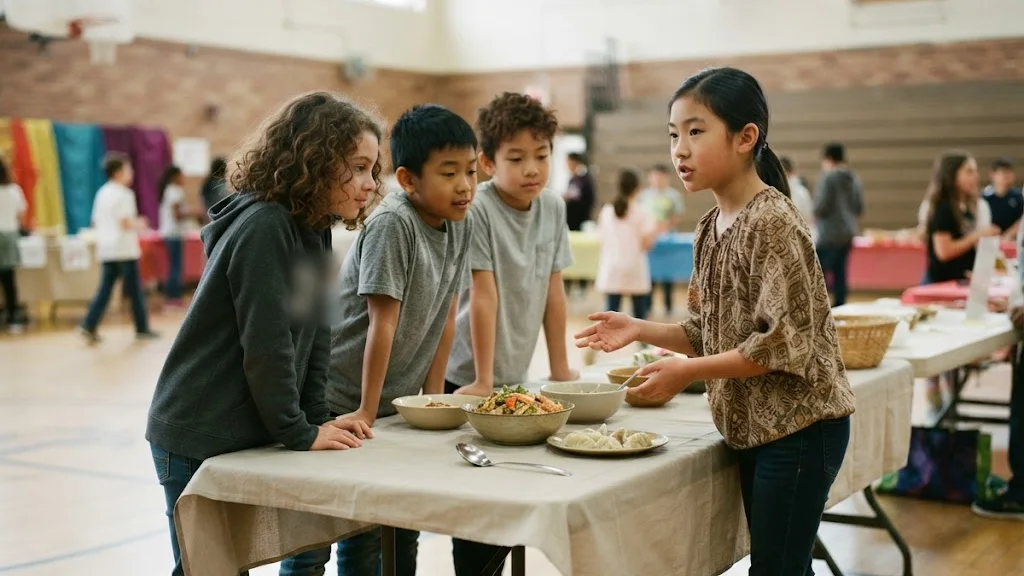
 Misreading Others
Misunderstandings Turn Into Conflict
- A different habit or tone gets taken the wrong way.
- They assume others think the way they do.
- Small misunderstandings grow into arguments.
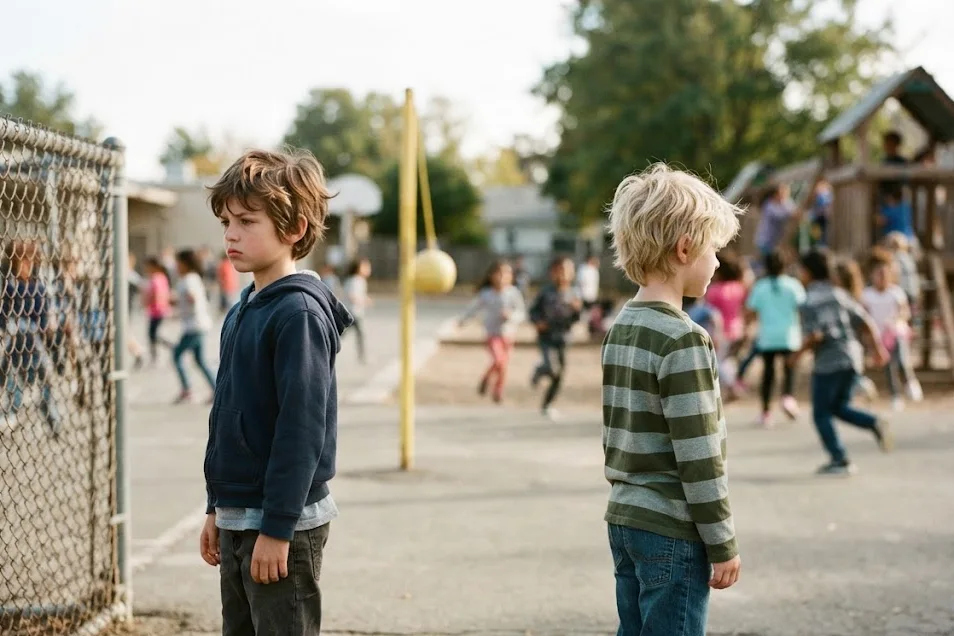
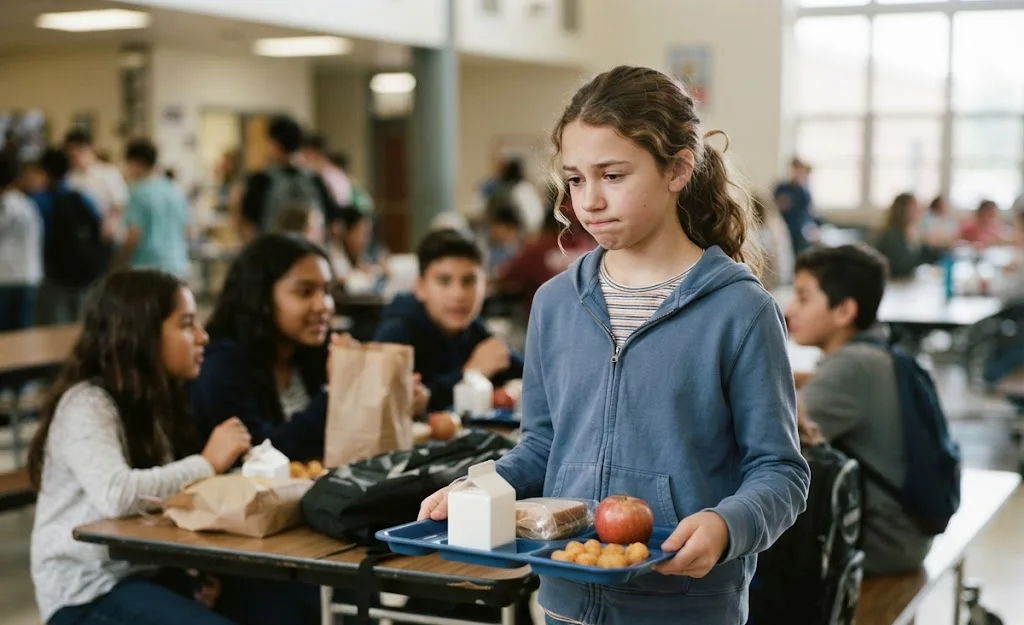 Keeping Distance
Different Feels Uncomfortable
- New or different classmates stay on the edges.
- Quick first impressions decide who belongs.
- Groups stick with what feels familiar.
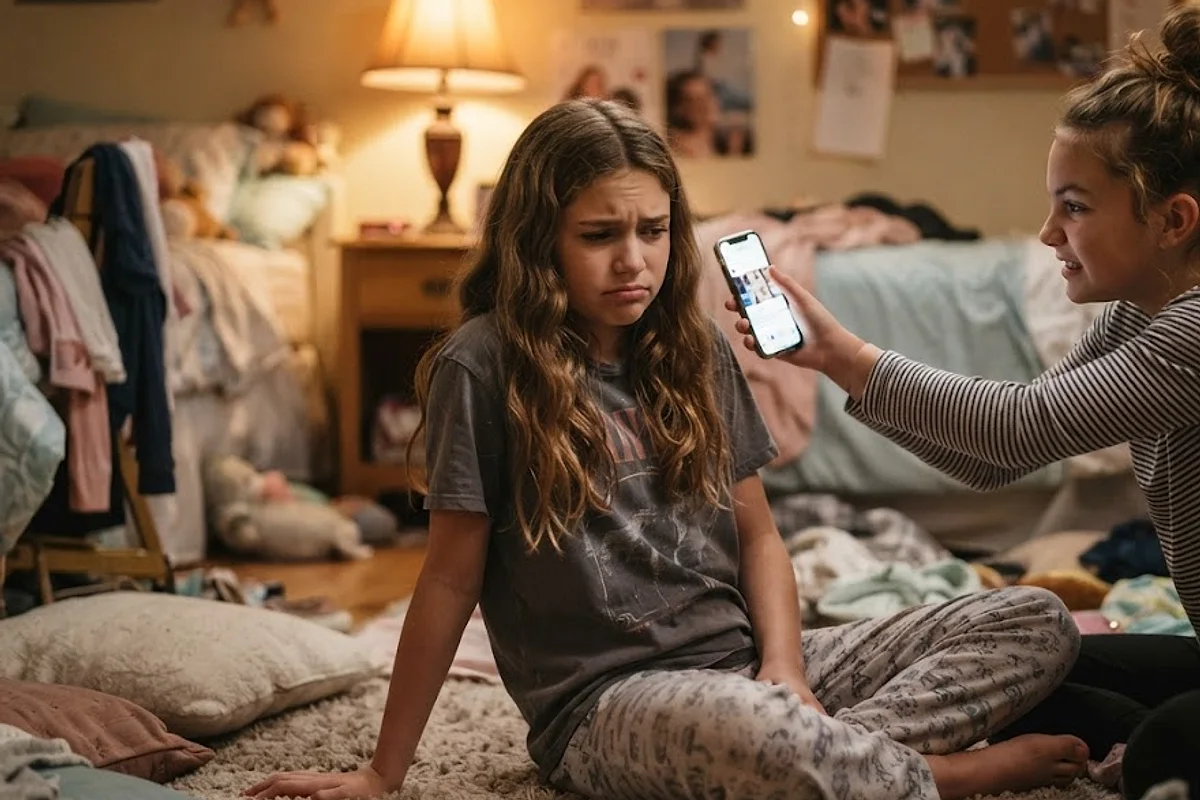 Going Along
Laughing With the Crowd
- Jokes built on stereotypes get passed along.
- Speaking up feels risky when friends are laughing.
- They lose sight of what they actually believe.
Social awareness isn't something children either have or don't. It can be learned, practiced, and grown through everyday interactions.
Why Social Awareness Matters More as They Grow
As children grow, their schools, teams, and online spaces bring them into contact with people whose lives look very different from their own.
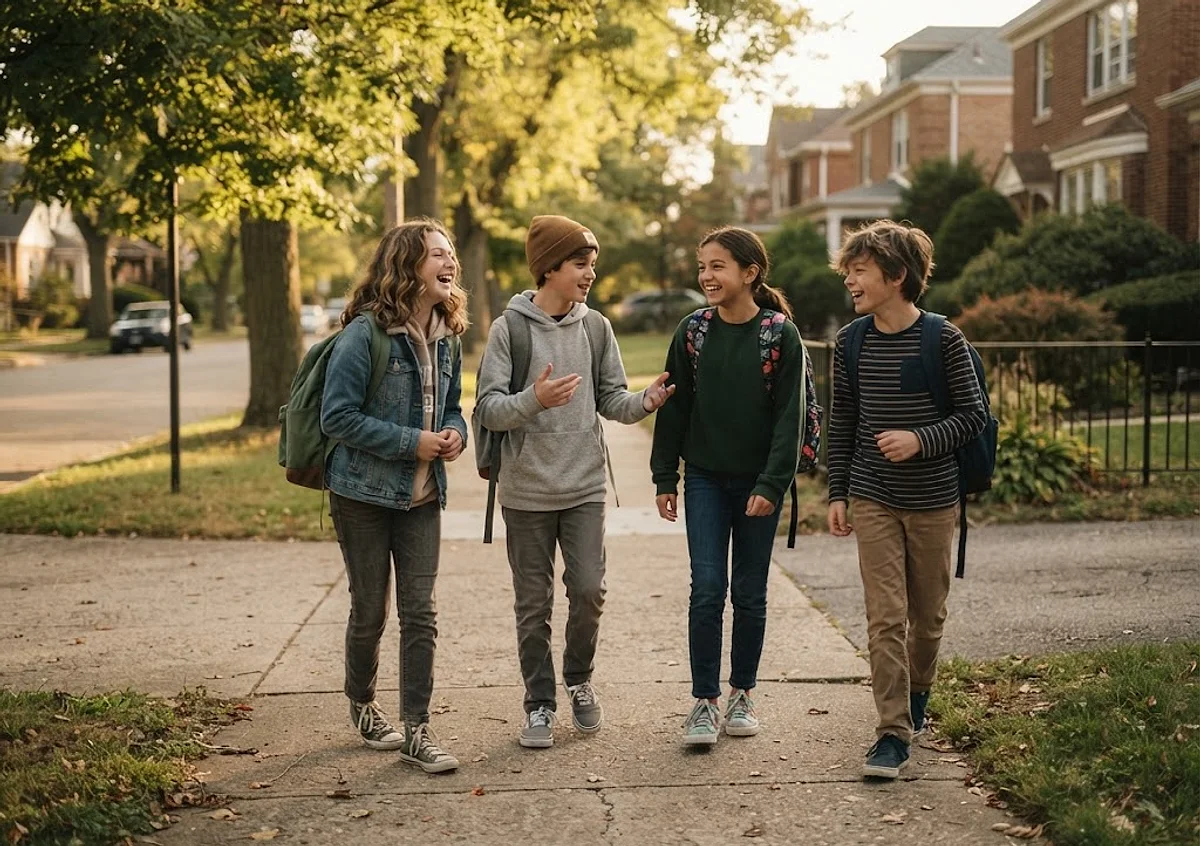
Their World Is Getting Wider
- Classrooms get more diverse. Children meet classmates with different cultures, beliefs, and family traditions.
- Online, everyone meets everyone. Apps and games put them in conversations with people far beyond their neighborhood.
- Stereotypes are everywhere. Shows, jokes, and peers pass along assumptions children may not notice they're absorbing.
- Belonging matters deeply. How children treat others shapes whether their groups feel welcoming or closed off.
- Social awareness isn't about being perfect. It's about staying curious, noticing their own assumptions, and choosing respect.
The goal isn't a child who never makes a mistake with others. It's one who stays curious, checks their assumptions, and treats people fairly.
What Human Dynamics Helps Your Child Develop
Social awareness isn't one quality. The course breaks it into specific capabilities children can understand, practice, and strengthen over time.
Understanding How Culture Shapes People
Learn how social norms and cultural backgrounds shape how people think and interact.
Noticing Their Own Biases
Recognize their own biases and how those can shape decisions and behavior.
Showing Empathy Across Differences
Extend empathy to people whose background, identity, or experience differs from theirs.
Meeting Differences With Curiosity
Approach cultural differences with respect, curiosity, and genuine care.
Resolving Misunderstandings
Work through misunderstandings that come from cultural differences with sensitivity and respect.
Each capability supports the others: curiosity, self-awareness, and empathy help children build connections with all kinds of people.
Inside the Course — Four Modules, From Culture to Kindness
The course starts with social and cultural awareness, celebrates what makes people unique, examines bias and stereotypes, and ends with empathy and kindness in action.
- 01
Introduction to Social and Cultural Awareness
How culture shapes the way people see the world.
- Understand what social and cultural awareness mean.
- Recognize how cultural differences shape interactions.
- Learn how misunderstandings start and how to avoid them.
- Practice empathy for norms and values unlike their own.
- 02
The Importance of Uniqueness
Why differences make communities stronger.
- Recognize the many forms of uniqueness in people and communities.
- Explore cultural contributions from around the world.
- Understand how diverse perspectives drive new ideas.
- Celebrate individuality and help create inclusive groups.
- 03
Recognizing Bias and Stereotypes
Noticing and challenging unfair assumptions.
- Identify what biases and stereotypes are, including their own.
- Use questioning skills to challenge unfair assumptions.
- Stay true to themselves when peer pressure reinforces stereotypes.
- Learn from people who overcame stereotypes and pushed for change.
- 04
Empathy and Kindness
Turning understanding into everyday action.
- Practice seeing situations from others' point of view.
- Use active listening and compassionate language.
- Understand how kindness supports mental well-being.
- Lead by example and plan to keep including others.
Course structure
- 4Modules
- 29Instructional Lessons
- 8Practice Activities
 Course badgeGlass Vulture — The Noticer
Together, the modules move children from understanding differences to treating every person with fairness and care.
From Learning to Real Life — How Your Child Practices Social Awareness
Knowing that everyone deserves respect is easier than speaking up when friends are laughing. Social awareness grows through practice, reflection, and real relationships.
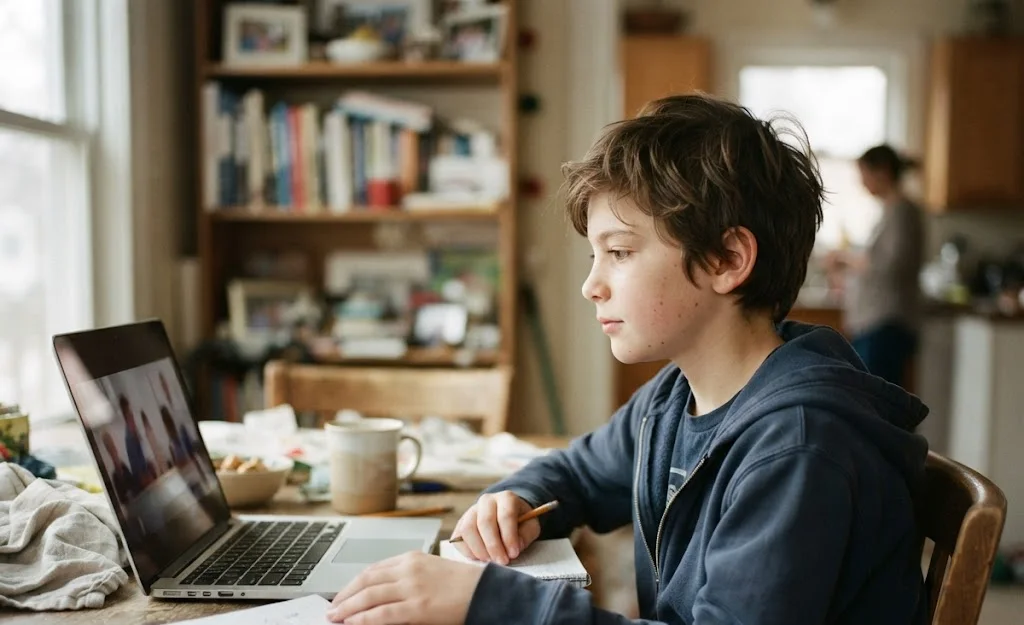 01Learn
Understand People and Cultures
- Watch short animated lessons about culture, bias, and kindness.
- See characters work through misunderstandings and stereotypes.
- Explore cultural contributions from around the world.
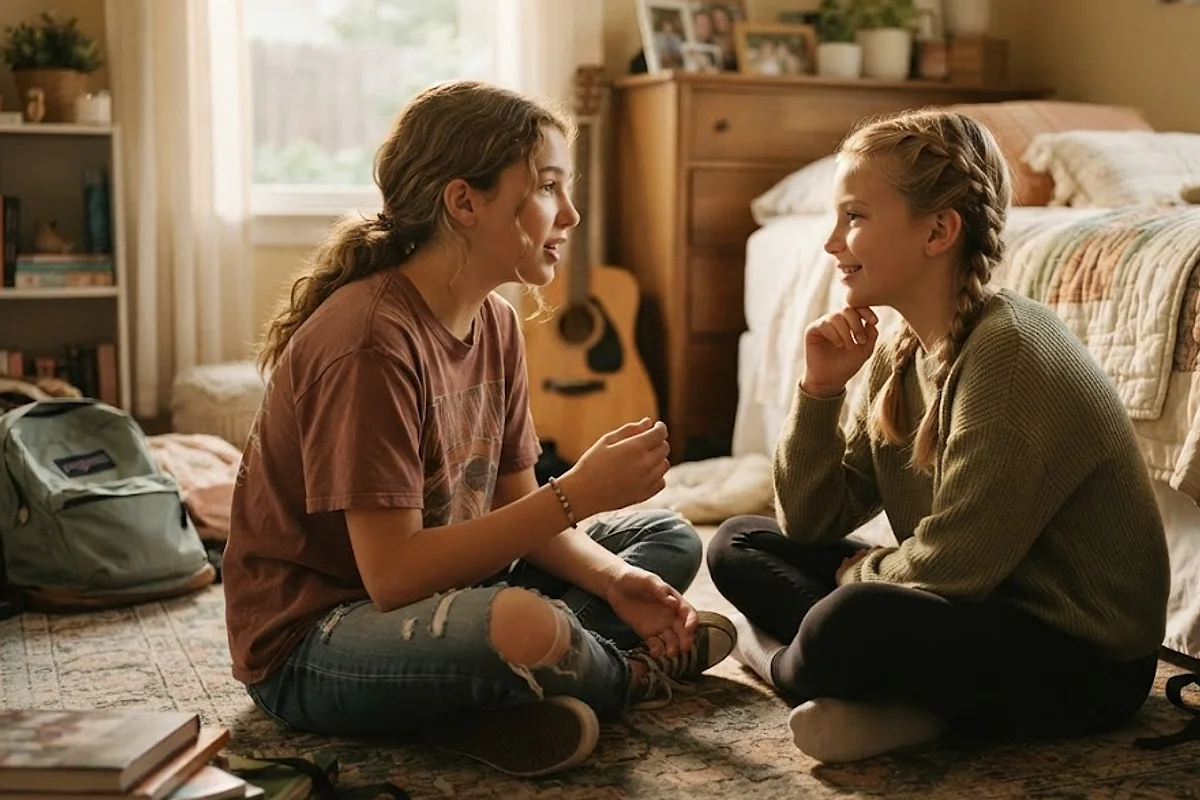 02Practice & Reflect
Question Their Assumptions
- Work through scenario-based Try Its where available.
- Spot a stereotype and ask questions that challenge it.
- Reflect on their own assumptions in module exercises.
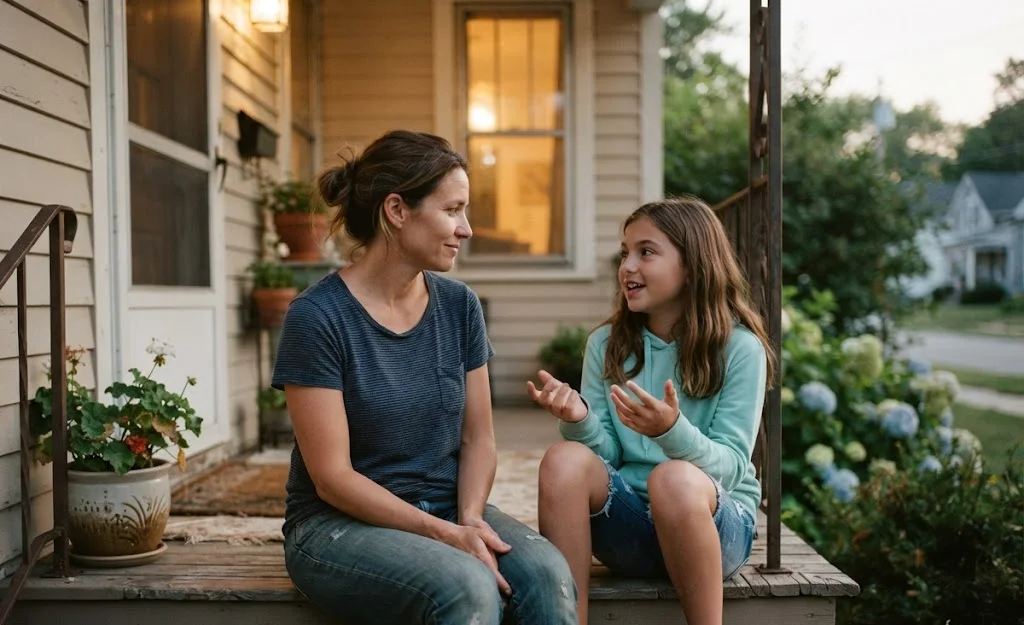 03Apply
Include Others Beyond the Screen
- Ask a classmate about a tradition that matters to them.
- Invite someone new to join an activity.
- Choose not to repeat a joke that targets a group.
- Talk with a parent about a time they felt different.
Success isn't knowing everything about every culture. It's staying curious and treating each person as an individual.
What Research Tells Us About Stereotypes, Contact & Inclusion
Researchers have studied when children notice stereotypes and what helps reduce prejudice. These findings describe general patterns, not predictions for any individual child.
- Starts Early
Children notice stereotypes young.
- Researchers studied when children become aware of widely held stereotypes.
- That awareness developed between about ages 6 and 10.
- Some children aware of a stereotype about their group did worse on a task described as a test of ability.
- Getting to Know Others
Contact reduces prejudice.
- A review combined 515 studies of contact between different groups.
- Getting to know people from other groups was generally linked to less prejudice.
- The studies spanned many countries, ages, and settings.
- It Can Be Taught
Programs for young people help.
- A review of 81 reports evaluated programs for children and adolescents.
- Programs improved attitudes toward other groups, with small to moderate effects.
- Combining contact with empathy and perspective-taking worked best.
The evidence points to understanding: contact, empathy, and perspective-taking help children treat others more fairly. Human Dynamics is built around that approach, without promising guaranteed results.
How Human Dynamics Supports Two Learning Journeys
The course appears in two programs. In each, it arrives at a different point and builds on different courses that came before it.
Why It Belongs in Both
- In Emotional Skills, it turns understanding outward. After Emotional You: Managing Your Emotions, children apply what they know about their own feelings to understanding others.
- In Emotional Skills, it prepares for good choices. Social awareness sets up Making Responsible Choices, where children consider how decisions affect other people.
- In Strength, it builds on resilience. After Resilient You: What is Resiliency?, children stay steady and open when they meet people who see the world differently.
- In Strength, it leads into conflict skills. Understanding others prepares children for Conflict Resolution Foundations, the next course.
The Emotional Skills ProgramCourse 3 of 7
- 1–2Two Earlier CoursesSelf-Awareness · Emotions
- 3This CourseHuman DynamicsSocial Awareness
- 4Making Responsible ChoicesJudgment & Accountability
- 5–7Three Later CoursesCommunication · Relationships · Conflict
The Strength ProgramCourse 4 of 7
- 1–3Three Earlier CoursesConfidence · Courage · Resilience
- 4This CourseHuman DynamicsSocial Awareness
- 5Conflict Resolution FoundationsNavigating Disagreements
- 6–7Two Later CoursesLeadership · Creativity
In either program, the course isn't a standalone fix. It's one step in a longer sequence that gives social awareness time to develop.
Frequently Asked Questions About Human Dynamics
Practical answers about what your child will learn, what the course asks of your family, and how it fits into Bloomster's programs.
Who is Human Dynamics designed for?
It uses everyday situations relevant to children roughly 9 to 14. It is the third course in the Emotional Skills Program, which works for children from 9 to 14, and the fourth in the Strength Program, designed around ages 11–13. What your child is experiencing matters more than an exact age.
What will my child learn in this course?
Children learn how culture shapes the way people think and interact. They practice avoiding misunderstandings, appreciating diversity, recognizing biases and stereotypes, resisting peer pressure, listening actively, and using kind, inclusive language.
Will this course tell my child what to think?
The course focuses on skills rather than opinions: understanding how culture shapes people, noticing assumptions, asking good questions, and resolving misunderstandings with respect.
How long does the course take?
Your child moves at their own pace. The four modules contain 29 short animated lessons, 8 practice activities, and a module exercise at the end of each. Inside a program, courses are spaced across roughly a year, which gives this one several weeks to settle into daily life.
How much time should my child spend on it each week?
We suggest two 30-minute learning sessions each week. Everyday moments at school, on teams, and online between sessions give your child real chances to practice. If a week gets missed, simply pick up again.
Do I need to be involved as a parent?
You don't need to teach the course. Protect the learning time, notice what your child is working on, and share your family's own traditions, or explore another culture's food, music, or celebrations together. Bloom, the parent side of Bloomster, helps you follow along.
My child said something hurtful about another group. Will this help?
It can. Module 3 helps children understand what biases and stereotypes are and how they affect others. Children learn questioning skills to challenge unfair assumptions, including their own.
Does the course cover peer pressure?
Yes. Module 3 looks at how peer pressure can reinforce stereotypes, and helps children stay true to their own values when a group pushes the other way.
Can I enroll my child in this course by itself?
Bloomster is organized around learning journeys rather than single-course purchases. Human Dynamics is part of the Emotional Skills and Strength programs, and it may also be recommended within a Personalized Course Journey. Finding your start shows where your child might begin.
How will I know whether my child is making progress?
Look for small signs: asking curious questions about someone's background, including a new classmate, noticing an unfair assumption, or choosing kinder words. Progress is rarely a straight line.
Explore the Emotional Skills and Strength Programs — See the Bigger Journey
Social awareness is one capability among many. Both programs connect it with emotional understanding, resilience, good choices, and resolving conflict.
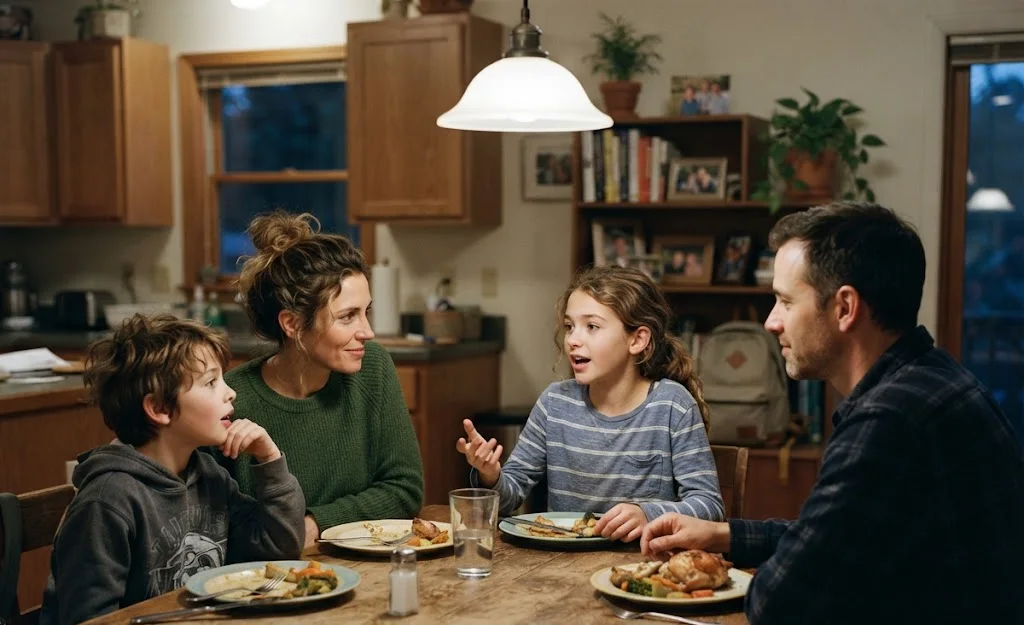
Social Awareness Grows Alongside Other Skills
- This course builds cultural awareness, fairness, empathy, and inclusion.
- Earlier courses develop the self-awareness and steadiness understanding others draws on.
- Later courses apply it to choices, communication, relationships, and conflict.
- Steady practice across months gives these capabilities time to connect in everyday life.
Explore how each program sequences its seven courses, and which journey fits what your child needs right now.
 Free PDF · No account neededFree Social Awareness Guide for ParentsReal-life scenarios and questions to talk through differences and respect with your child at home.
Social awareness isn't about knowing every culture. It's about your child seeing each person clearly, and treating them with respect.