
Power of Forgiveness
Everyone Gets Hurt Sometimes. Your Child Can Learn to Forgive and Move On.
Help your child let go of grudges, give sincere apologies, forgive themselves, and rebuild trust after conflict.
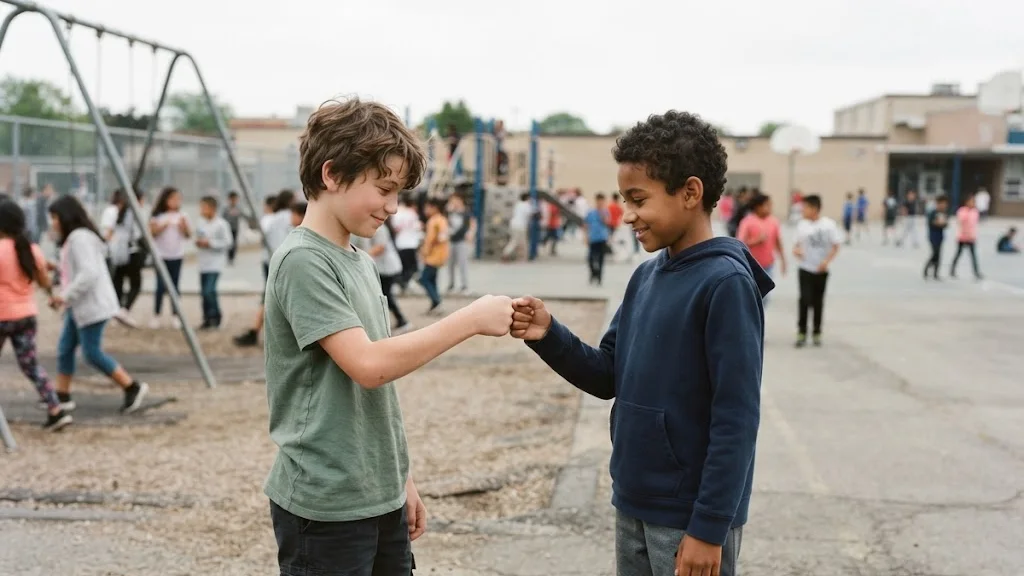
- 4Core Modules
- 32Lessons & Exercises
- 12Developmental Subskills
- 1Learning Program
Why Is Forgiving So Hard for Your Child?
They hold onto grudges, can't bring themselves to apologize, or stay stuck on their own mistakes. Often it isn't stubbornness. Forgiveness takes skills still developing.
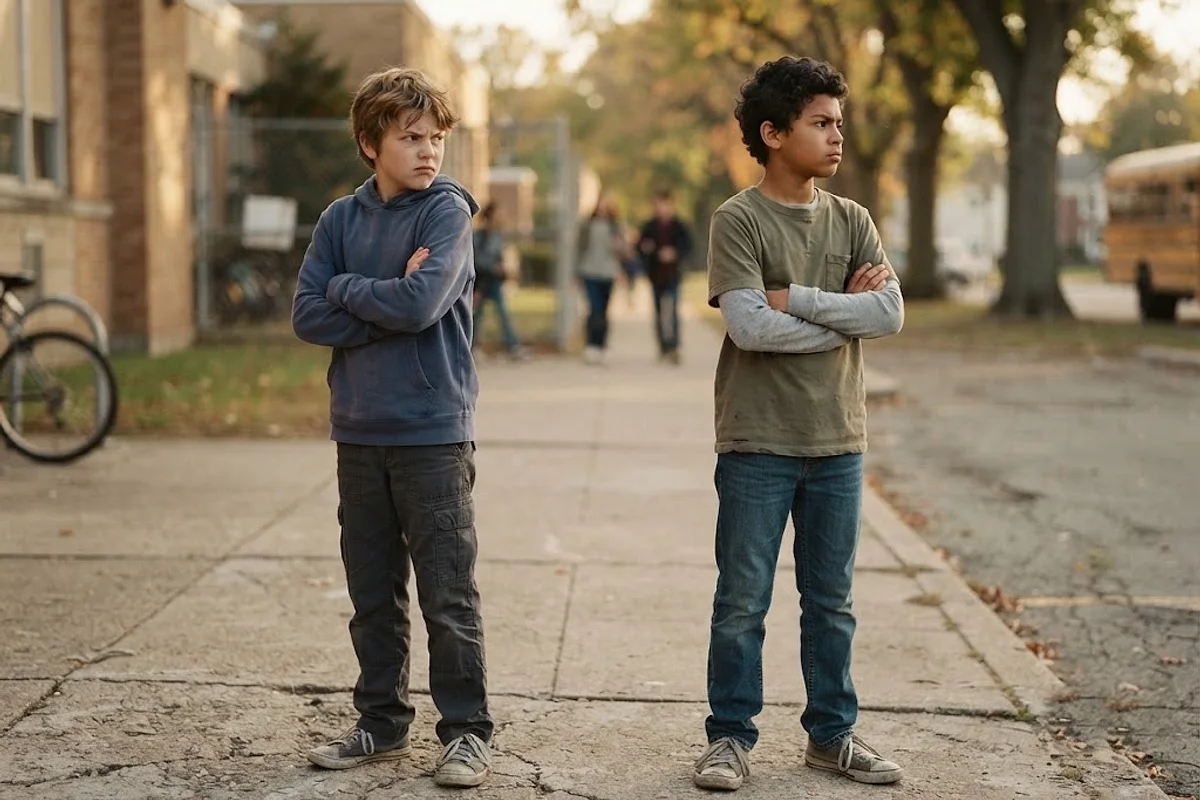 Grudges
Holding On to Hurt
- Old hurts get replayed again and again.
- Friendships end over things that could be repaired.
- Anger lingers long after the moment.
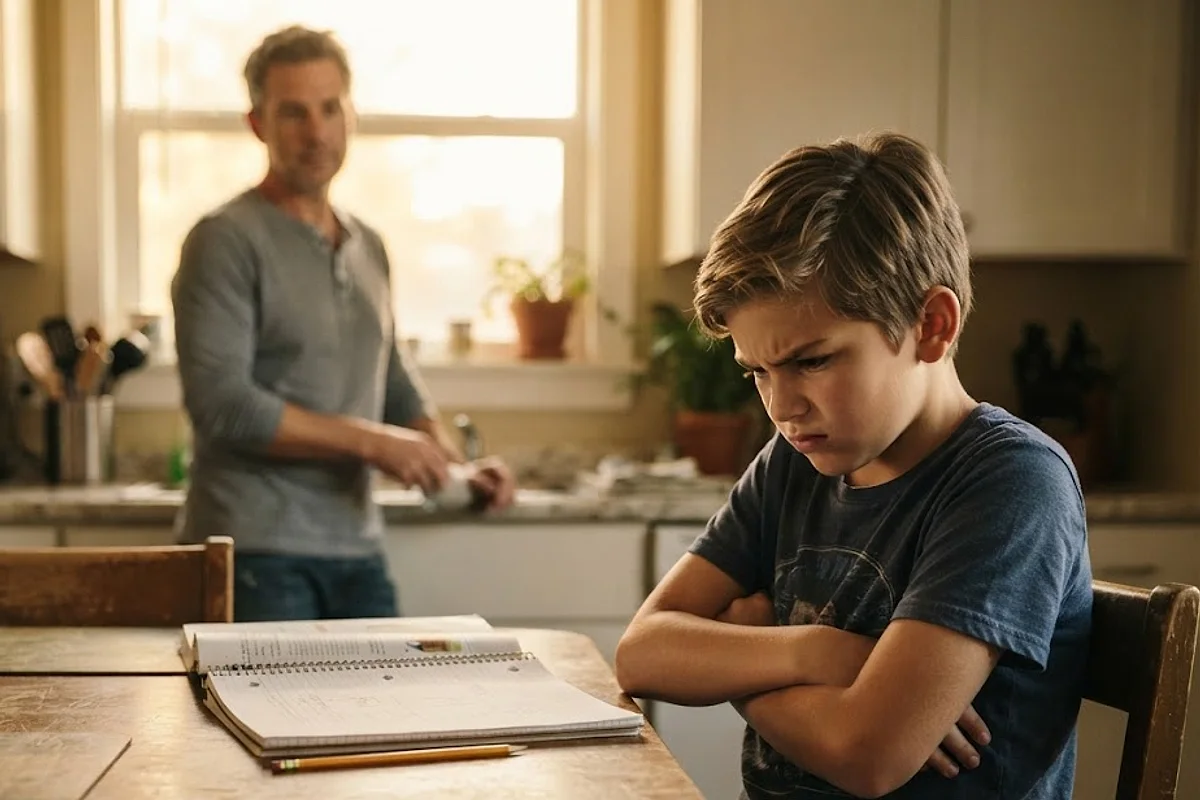 Apologizing
Sorry Is Hard to Say
- Admitting a mistake feels like losing.
- Apologies come out defensive or forced.
- They explain their intent instead of the impact.
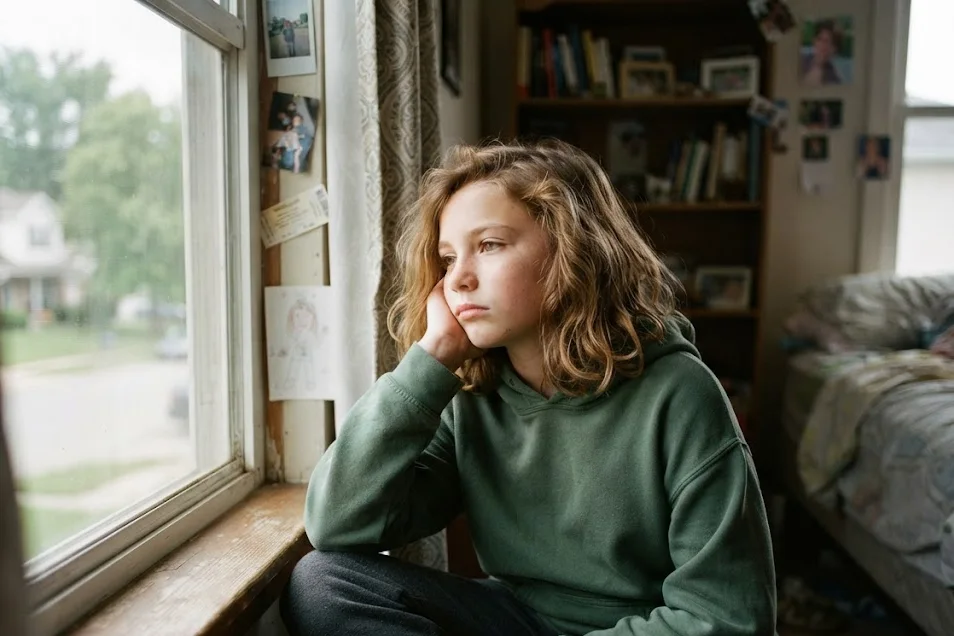 Self-Blame
Too Hard on Themselves
- One mistake replays in their head.
- Guilt turns into avoiding people.
- They don't know how to move forward.
Forgiveness isn't weakness or pretending nothing happened. It's a set of skills children can learn, practice, and grow.
Why Forgiveness Matters More as They Grow
As children grow, their friendships and family relationships go deeper, and so do the hurts and mistakes that come with them.

Relationships Need Repair
- Conflicts get more personal. Older children feel betrayal and embarrassment more deeply.
- Grudges cost more. Holding onto anger affects mood, focus, and how they treat others.
- Mistakes get bigger. Learning to apologize and make amends matters more as the stakes rise.
- Self-forgiveness matters. Children who can let go of guilt can learn from mistakes and move forward.
- Forgiveness isn't excusing harm. It's choosing to release resentment, not pretending the hurt didn't matter.
The goal isn't a child who forgives everything instantly. It's one who knows how to repair, let go, and move forward.
What Power of Forgiveness Helps Your Child Develop
Forgiveness isn't one feeling. The course breaks it into specific capabilities children can understand, practice, and strengthen over time.
Understanding What Forgiveness Means
Recognize when forgiveness might be needed and what it truly means to forgive.
Following Clear Steps to Forgive
Use a step-by-step process so forgiveness becomes an action, not just an intention.
Seeing What Grudges Cost
Understand how forgiveness can benefit their mental and physical well-being.
Reading Emotional Reactions
Notice strong reactions, their own and others', as signals that repair may be needed.
Choosing to Forgive
Make forgiveness a conscious decision, not just a feeling.
Each capability supports the others: understanding, clear steps, and self-awareness help children repair relationships and move forward.
Inside the Course — Four Modules, From Forgiving Others to Moving Forward
The course introduces forgiveness, teaches how to forgive others, explores seeking forgiveness and self-forgiveness, and ends with how forgiveness helps.
- 01
Introduction to Forgiveness
What forgiveness is and when it's needed.
- Understand what forgiveness truly means.
- Recognize when forgiveness is needed and what grudges cost.
- Learn how to make the choice to forgive.
- Express forgiveness sincerely in words and actions.
- 02
Forgiving Others
Steps for forgiving someone who hurt them.
- Identify what triggers the need for forgiveness.
- Follow key steps, from naming the issue to choosing an approach.
- Express forgiveness in ways that rebuild relationships.
- Move through the stages of forgiveness at their own pace.
- 03
Receiving Forgiveness
Apologizing and forgiving themselves.
- Recognize when they need to seek forgiveness.
- Acknowledge mistakes and give sincere apologies.
- Practice self-forgiveness and let go of guilt.
- Offer to make things right to rebuild trust.
- 04
How Forgiveness Helps
The benefits of forgiving and being forgiven.
- Understand how forgiveness can support mental and physical health.
- See how forgiving strengthens character and relationships.
- Recognize the long-term benefits of forgiveness.
- Plan how to move forward after forgiving or being forgiven.
Course structure
- 4Modules
- 28Instructional Lessons
- 6Practice Activities
 Course badgePhoenix — The Restorer
Together, the modules move children from understanding forgiveness to practicing it, with others and with themselves.
From Learning to Real Life — How Your Child Practices Forgiveness
Knowing forgiveness helps is easier than letting go while they're still hurt. Forgiveness grows through practice, reflection, and real relationships.
 01Learn
Understand How Forgiveness Works
- Watch short animated lessons about forgiving, apologizing, and moving on.
- See characters work through hurt and repair relationships.
- Discover steps for forgiving others and themselves.
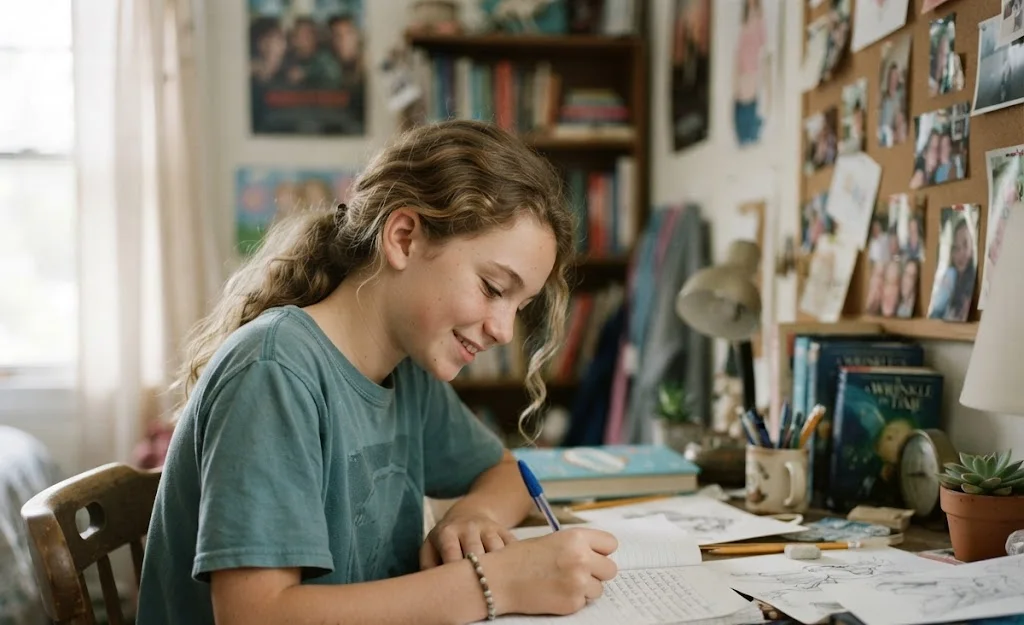 02Practice & Reflect
Think Through the Hurt
- Work through scenario-based Try Its where available.
- Identify the real issue behind a conflict.
- Reflect on forgiving and being forgiven in module exercises.
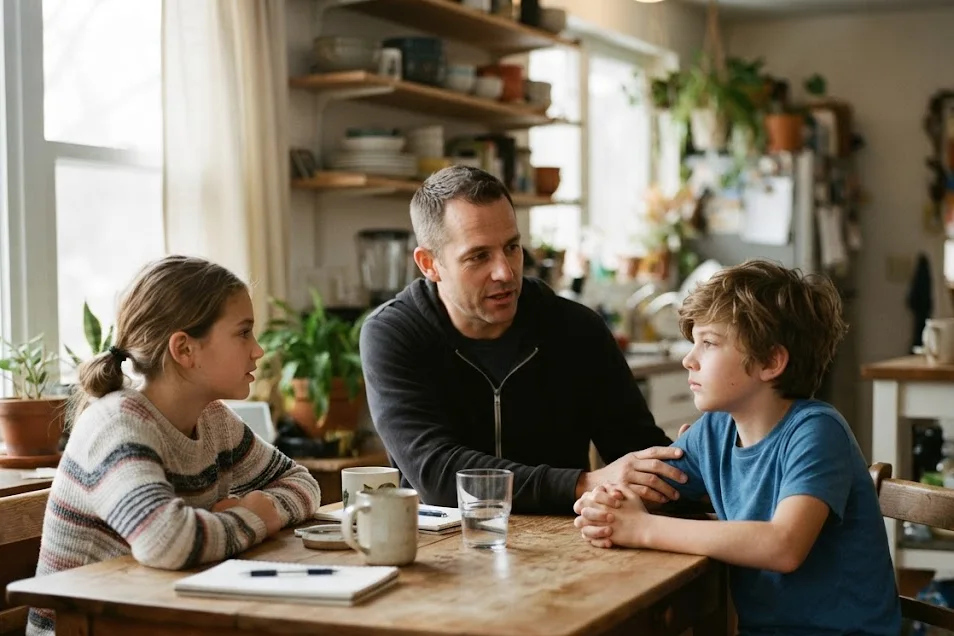 03Apply
Repair Beyond the Screen
- Give an apology that names the impact, not just the intent.
- Let go of one small grudge.
- Say they forgive someone in their own words.
- Talk with a parent about a time they forgave someone.
Success isn't never getting hurt. It's knowing how to repair, let go, and keep relationships strong.
What Research Tells Us About Forgiveness, Anger & Well-Being
Researchers have studied whether forgiveness can be taught and how holding grudges affects the body. These findings describe general patterns, not predictions for any individual child.
- It Can Be Taught
Forgiveness education helps young people.
- A review combined 20 studies with 1,472 children and teens.
- Forgiveness lessons increased forgiveness and reduced anger.
- The outcomes were self-reported.
- In the Classroom
Forgiveness lessons reduced anger.
- Teachers in Belfast, Northern Ireland, taught weekly forgiveness lessons.
- First and third graders in those classrooms showed less anger than children in comparison classrooms.
- The research was led by the program's developers.
- Grudges and the Body
Holding grudges is stressful.
- 71 adults recalled someone who hurt them while their bodies were monitored.
- Rehearsing grudges raised heart rate and blood pressure more than imagining forgiveness.
- These were short-term effects in a lab.
The evidence points to practice: forgiveness can be learned, and letting go of grudges may ease stress. Power of Forgiveness is built around that approach, without promising guaranteed results.
Why Power of Forgiveness Is Part of the Habits Program
The Habits Program builds self-management and steady habits step by step. This course arrives last, once children can manage impulses, think carefully, and work with others.
Why It Comes Last
- It completes the journey. After Understanding Why Teamwork Matters, children learn to repair the conflicts that come with working closely with others.
- It draws on self-control. Pausing before reacting, practiced in Mastering Impulse Control, makes choosing to forgive possible.
- It uses careful thinking. Identifying the real issue behind a conflict builds on MindCraft: Developing Analytical Skills.
- It supports lasting well-being. Letting go of grudges helps children move into new challenges with less weight to carry.
The Habits ProgramCourse 7 of 7
- 1–4Four Earlier CoursesFocus · Self-Control · Curiosity · Discipline
- 5MindCraft: Developing Analytical SkillsAnalytical Thinking
- 6Understanding Why Teamwork MattersCollaboration
- 7This CoursePower of ForgivenessForgiveness & Emotional Recovery
The course isn't a standalone fix. It's one step in a longer sequence that gives forgiveness time to become a habit.
Frequently Asked Questions About Power of Forgiveness
Practical answers about what your child will learn, what the course asks of your family, and how it fits into Bloomster's programs.
Who is Power of Forgiveness designed for?
It uses everyday situations relevant to children roughly 9 to 14. It is the seventh and final course in the Habits Program, designed around ages 10–12. What your child is experiencing matters more than an exact age.
What will my child learn in this course?
Children learn what forgiveness is, when it's needed, and the steps to forgive others. They practice sincere apologies, self-forgiveness, and making amends, and learn how forgiveness can support well-being and relationships.
Does forgiveness mean my child has to accept being treated badly?
No. Forgiveness means letting go of resentment, not excusing harm or pretending it didn't happen. If your child is being mistreated, talk with them and involve the right adults.
How long does the course take?
Your child moves at their own pace. The four modules contain 28 short animated lessons, 6 practice activities, and a module exercise at the end of each. Inside a program, courses are spaced across roughly a year, which gives this one several weeks to settle into daily life.
How much time should my child spend on it each week?
We suggest two 30-minute learning sessions each week. Disagreements with siblings, friends, and teammates between sessions give your child real chances to practice. If a week gets missed, simply pick up again.
Do I need to be involved as a parent?
You don't need to teach the course. Protect the learning time, notice what your child is working on, and model forgiveness: apologize when you get something wrong, and talk about how you let go of a grudge. Bloom, the parent side of Bloomster, helps you follow along.
My child struggles to apologize. Will this help?
It can. Module 3 focuses on acknowledging mistakes and giving sincere apologies that focus on impact, not just intent, so apologizing feels more manageable.
Does the course cover forgiving yourself?
Yes. Module 3 includes self-forgiveness, helping children release guilt, learn from mistakes, and move forward with a healthier view of themselves.
Can I enroll my child in this course by itself?
Bloomster is organized around learning journeys rather than single-course purchases. Power of Forgiveness is part of the Habits Program, and it may also be recommended within a Personalized Course Journey. Finding your start shows where your child might begin.
How will I know whether my child is making progress?
Look for small signs: an apology without being asked, letting go of a small grudge, talking calmly about a hurt, or moving on after their own mistake. Progress is rarely a straight line.
Explore the Habits Program — See the Bigger Journey
Forgiveness is one capability among many. The Habits Program connects it with focus, self-control, learning, discipline, careful thinking, and teamwork.
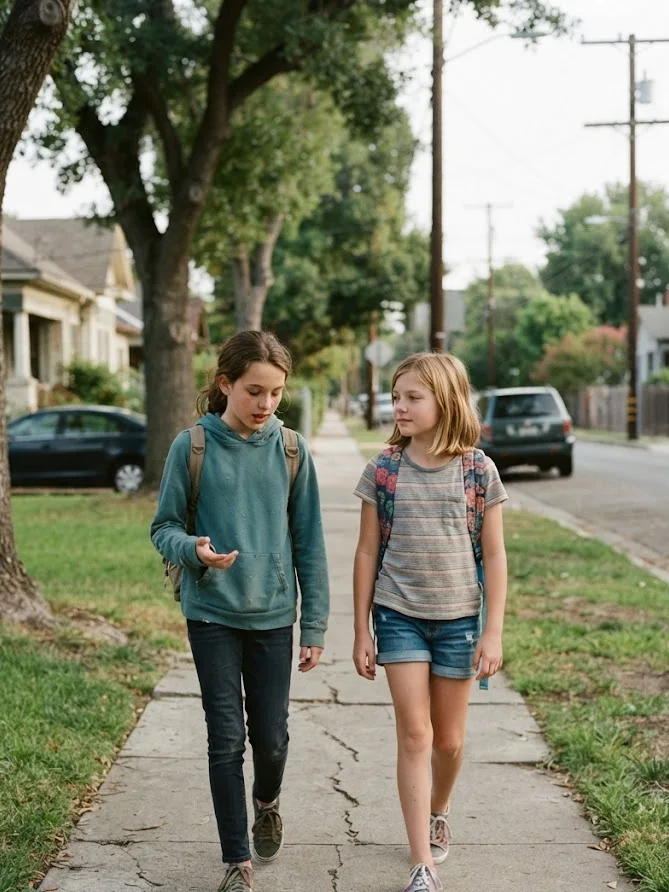
Forgiveness Grows Alongside Other Skills
- This course builds forgiving, apologizing, and self-forgiveness.
- Earlier courses develop the self-control and teamwork forgiveness draws on.
- As the final course, it helps children carry these habits into new relationships.
- Steady practice across months gives these capabilities time to connect in everyday life.
Forgiveness isn't about forgetting. It's about your child letting go, making things right, and moving forward.