
Financial Literacy I
Your Child Will Manage Money Soon. The Habits Start Forming Now.
Help your child understand how money works, budget and save with a plan, and spend on purpose instead of impulse.

- 4Core Modules
- 32Lessons & Exercises
- 12Developmental Subskills
- 1Learning Program
Why Does Money Slip Through Your Child's Fingers?
Birthday money disappears in a day, every ad sparks a want, and saving feels pointless. Often it isn't carelessness. Money skills haven't been taught yet.
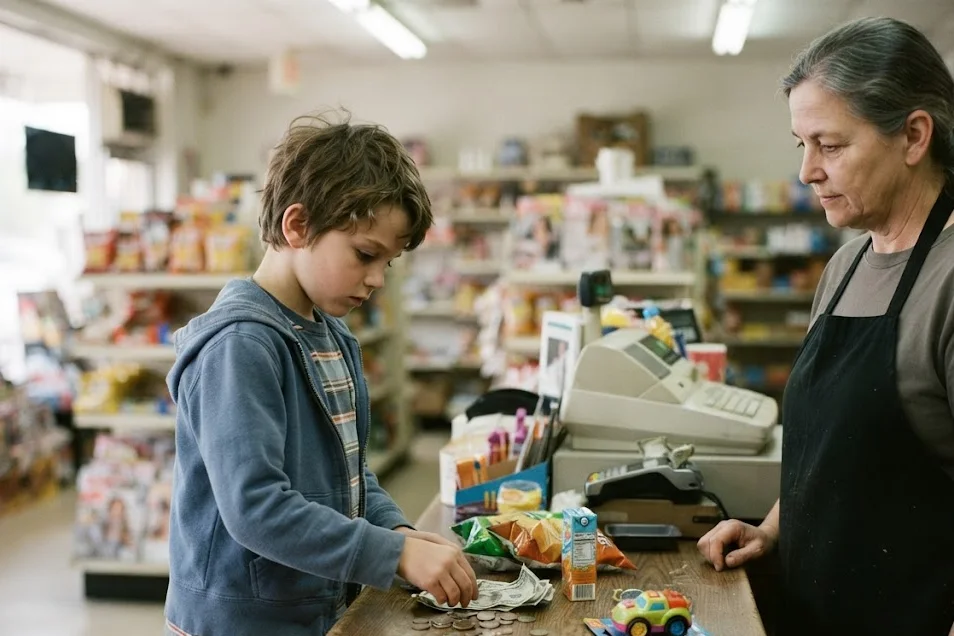 Spent Right Away
Money Burns a Hole
- Money is spent as soon as it arrives.
- Saving for something bigger feels too slow.
- Small purchases add up without them noticing.
 Wants vs. Needs
Everything Feels Essential
- Wants and needs blur together.
- Ads and influencers make new things feel necessary.
- Comparing prices rarely happens.
 Digital Money
It Doesn't Feel Real
- In-app purchases and cards hide what's being spent.
- Money becomes numbers on a screen.
- It's hard to track where money went.
Money skills aren't something children simply pick up. They can be taught, practiced, and turned into habits that last.
Why Money Skills Matter More as They Grow
As children get allowances, first jobs, and phones, more of their money decisions happen on their own, and the habits they form now tend to stay.

Money Is Becoming Theirs
- They start earning. Allowances, chores, and first jobs connect work to money and goals for the first time.
- Spending goes digital. Cards, apps, and in-game purchases make spending faster and easier to lose track of.
- Marketing targets them. Ads, influencers, and limited-time offers are designed to make children want to buy now.
- Saving takes practice. Paying yourself first and waiting for bigger goals are habits that get easier with practice.
- Money skills aren't about being rich. They're about making choices that match what matters to them and avoiding regret.
The goal isn't a child who never spends. It's one who spends, saves, and plans on purpose.
What Financial Literacy I Helps Your Child Develop
Managing money isn't one skill. The course breaks it into specific capabilities children can understand, practice, and strengthen over time.
Building a Budget
Track money coming in and going out, and adjust the plan when something unexpected happens.
Saving First
Pay themselves first and automate saving so spending doesn't swallow their goals.
Spending With Purpose
Set goals before shopping, resist impulse purchases, and choose what really matters.
Understanding Money
Know what money is, how it has changed, and what gives it value, including inflation.
Connecting Work and Goals
See how earning money connects to effort and to the goals they want to reach.
Each capability supports the others: understanding money, budgeting, and saving first help children make money decisions they won't regret.
Inside the Course — Four Modules, From What Money Is to Spending Wisely
The course starts with what money is and why it matters, then teaches budgeting, saving, and finally spending wisely.
- 01
What IS money and why should I care?
Where money comes from and what gives it value.
- Understand how money has changed over time and why it matters in daily life.
- Tell essential needs from discretionary wants.
- Explore coins, banknotes, and digital payments as forms of value.
- Connect earning money as a teen to effort and personal goals.
- 02
Budgeting to achieve your dreams
Planning money around what matters.
- Learn budgeting basics, including tracking income and expenses.
- Prioritize spending around needs and real priorities.
- Create a personal financial plan balancing wants and long-term goals.
- Build flexibility into a budget for unexpected changes.
- 03
Pay yourself first - SAVE!
Making saving a habit from the start.
- Understand why saving first makes reaching goals easier.
- Set and prioritize short-term and long-term savings goals.
- Discover how compound interest makes starting early powerful.
- Control variable expenses and automate saving.
- 04
Spend, Spend, Spend - but do it wisely!
Making smart choices at the checkout.
- Prioritize needs over wants in everyday spending.
- Set goals before shopping and resist impulse purchases.
- Use comparison shopping to get better value.
- Recognize and resist marketing tactics aimed at them.
Course structure
- 4Modules
- 28Instructional Lessons
- 8Practice Activities
 Course badgeVault Chimera — The Valuer
Together, the modules move children from understanding money to managing it, with a plan for saving and spending on purpose.
From Learning to Real Life — How Your Child Practices Money Skills
Knowing how to budget is easier than sticking to it at the store. Money skills grow through practice, reflection, and real decisions.
 01Learn
Understand How Money Works
- Watch short animated lessons about everyday money choices.
- See characters budget, save, and resist impulse buys.
- Discover tools like paying yourself first and comparison shopping.
 02Practice & Reflect
Plan the Money
- Work through scenario-based Try Its where available.
- Sort a list of purchases into needs and wants.
- Reflect on their own spending in module exercises.
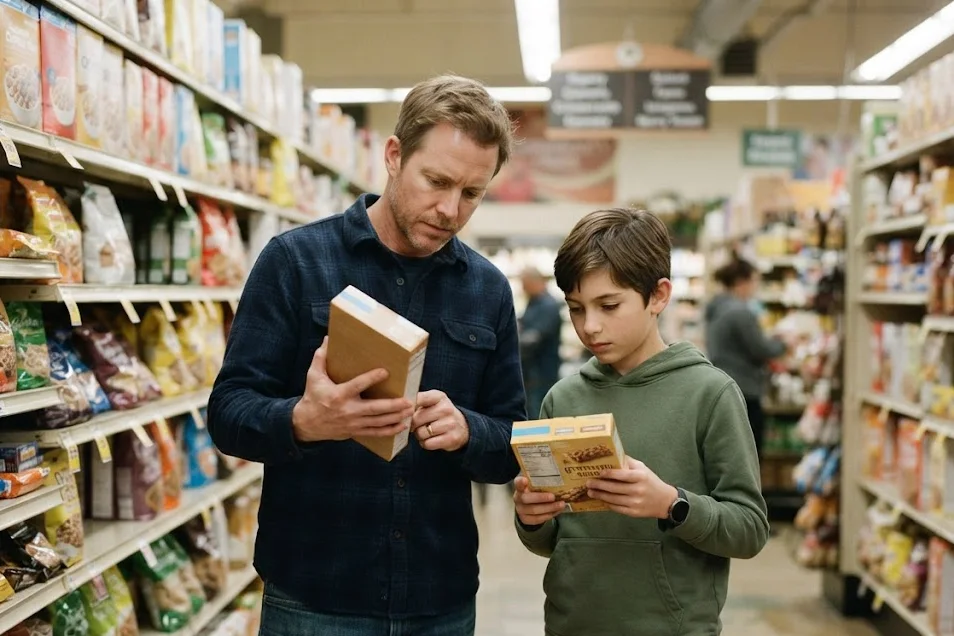 03Apply
Use Money Skills Beyond the Screen
- Set aside a portion of any money they receive first.
- Compare prices before buying something they want.
- Wait a day before an impulse purchase.
- Talk with a parent about a savings goal.
Success isn't saving every dollar. It's making money choices on purpose and learning from the ones they regret.
What Research Tells Us About Money Skills, Habits & Self-Control
Researchers have studied when money habits form and whether financial education helps. These findings describe general patterns, not guarantees for any child.
- Education Helps
Financial education makes a difference.
- A review of 126 studies found financial education improved knowledge and behavior.
- Effects were larger for knowledge than for actual money behavior.
- Timing matters: lessons work best close to real money decisions.
- Habits Form Early
Ages 6–12 shape money habits.
- The U.S. Consumer Financial Protection Bureau says money habits and norms take shape in middle childhood.
- Children learn by watching how family and peers handle money.
- Parents play a central role by talking about everyday money choices.
- Self-Control Counts
Childhood self-control links to finances.
- A study followed 1,000 children from birth to age 32.
- Better self-control in childhood was linked to better adult finances and health.
- These are associations, not proof that any one program changes outcomes.
The evidence points to the middle-childhood years as a good time to build money habits, with practice tied to real decisions. Financial Literacy I is built around that approach, without promising guaranteed results.
Why Financial Literacy I Is Part of the Readiness Program
In the Readiness Program, the course comes fifth. It builds on decision-making and digital safety, and prepares children for goal-setting.
Why It Comes Fifth
- It builds on safe online habits. After Online Safety: Building Knowledgeable Digital Citizens, children apply careful thinking to digital payments and purchases.
- It applies good judgment. Weighing needs against wants draws on the decision-making from Making Responsible Choices earlier in the program.
- It prepares for goal-setting. Saving goals lead naturally into Goal-Setting: Gaining Tools for Success, the next course.
- It builds real independence. Money skills are among the most practical tools children carry into their teenage years.
The Readiness ProgramCourse 5 of 7
- 1–4Four Earlier CoursesPurpose · Choices · Problem-Solving · Online Safety
- 5This CourseFinancial Literacy IMoney & Practical Responsibility
- 6Goal-Setting: Gaining Tools for SuccessPlanning & Follow-Through
- 7Meditation Foundation: Breath & Self-AwarenessMindfulness & Stress Regulation
The course isn't a standalone fix. It's one step in a longer sequence that gives money habits time to develop.
Frequently Asked Questions About Financial Literacy I
Practical answers about what your child will learn, what the course asks of your family, and how it fits into Bloomster's programs.
Who is Financial Literacy I designed for?
It uses everyday situations relevant to children roughly 9 to 14. It is the fifth course in the Readiness Program, which is designed around ages 12–14, when many children start earning, saving, and spending more on their own.
What will my child learn in this course?
Children learn what money is and what gives it value, how to tell needs from wants, and how to build and adjust a budget. They practice saving first, understand compound interest, compare prices, resist marketing, and use digital payments responsibly.
Does my child need their own money or a bank account?
No. The course uses everyday scenarios, so your child can learn with or without an allowance or account. Practicing with real money, even small amounts, can help the lessons stick, but it's up to your family.
How long does the course take?
Your child moves at their own pace. The four modules contain 28 short animated lessons, 8 practice activities, and a module exercise at the end of each. Inside the Readiness Program, courses are spaced across roughly a year, which gives this one several weeks to settle into daily life.
How much time should my child spend on it each week?
We suggest two 30-minute learning sessions each week. Everyday purchases between sessions, like a snack or an app, give your child natural chances to practice. If a week gets missed, simply pick up again.
Do I need to be involved as a parent?
You don't need to teach the course. Protect the learning time, notice what your child is working on, and talk about everyday money decisions, like comparing prices or saving for something. Bloom, the parent side of Bloomster, helps you follow along.
Does the course cover online and in-app spending?
Yes. Children explore digital forms of money and how to use payments safely, and Module 4 covers resisting marketing tactics, which often appear in apps and games. It pairs well with your family's own rules about purchases.
Is this course about investing?
No. Financial Literacy I covers foundations: what money is, budgeting, saving, and wise spending. It introduces how savings grow through compound interest, but it doesn't teach investing or give financial advice.
Can I enroll my child in this course by itself?
Bloomster is organized around learning journeys rather than single-course purchases. Financial Literacy I is part of the Readiness Program, and it may also be recommended within a Personalized Course Journey. Finding your start shows where your child might begin.
How will I know whether my child is making progress?
Look for small signs: saving part of their money first, asking whether something is a need or a want, comparing prices, or waiting before a purchase. Progress is rarely a straight line, and an impulse buy is not a failure.
Explore the Readiness Program — Where Money Skills Lead Next
Money skills are one capability among many. The Readiness Program connects them with decisions, problem-solving, online safety, and goals.

Money Skills Grow Alongside Other Skills
- This course builds budgeting, saving, and purposeful spending habits.
- Earlier courses develop the judgment and online awareness money choices draw on.
- Later courses apply these skills to goals and calm, steady focus.
- Steady practice across months gives these capabilities time to connect in everyday life.
Money skills aren't about having more. They're about your child making choices that match what matters to them.