
Developing SuperHuman Problem-Solving Skills
Problems Don't Wait for Adults. Your Child Can Learn to Solve Them.
Help your child break big problems into steps, look for the real cause, and try creative solutions with confidence.
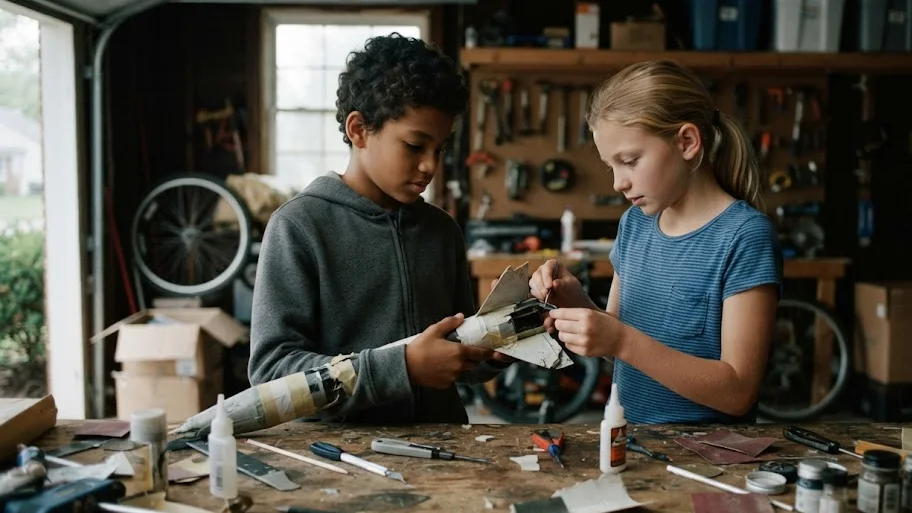
- 4Core Modules
- 32Lessons & Exercises
- 11Developmental Subskills
- 2Learning Programs
Why Do Problems Stop Your Child in Their Tracks?
A tricky assignment, a group project gone wrong, or a plan that falls apart. Often it isn't ability. Solving problems takes a process they haven't learned yet.
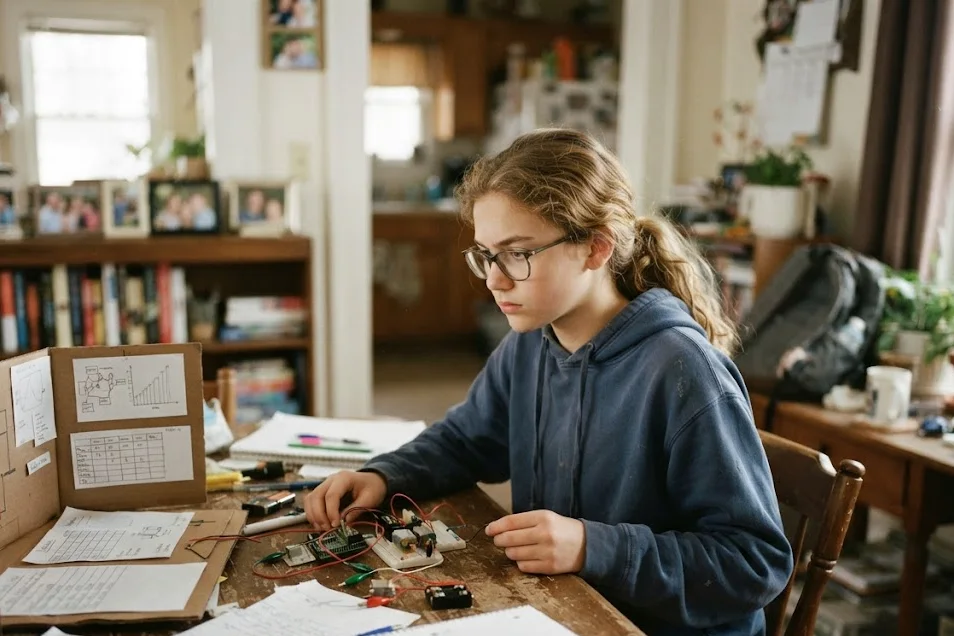 Where to Start
The Problem Feels Too Big
- Big problems can feel impossible without a first step.
- They may freeze, rush, or wait for someone to fix it.
- Frustration grows when nothing seems to work.
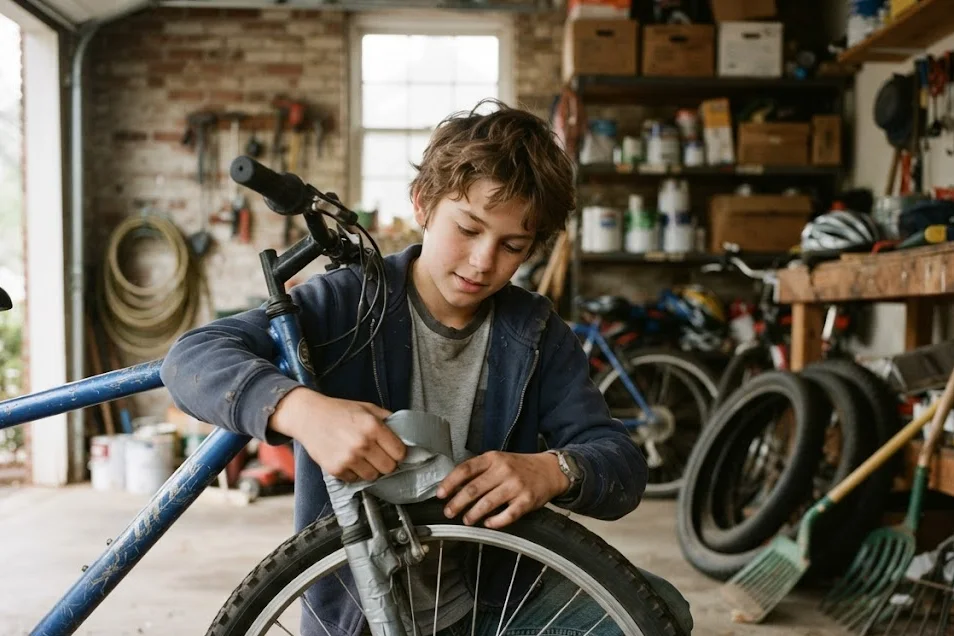 Quick Fixes
Treating the Symptom
- The first idea becomes the only idea.
- The same problem keeps coming back because the cause is missed.
- Checking whether a fix worked rarely happens.
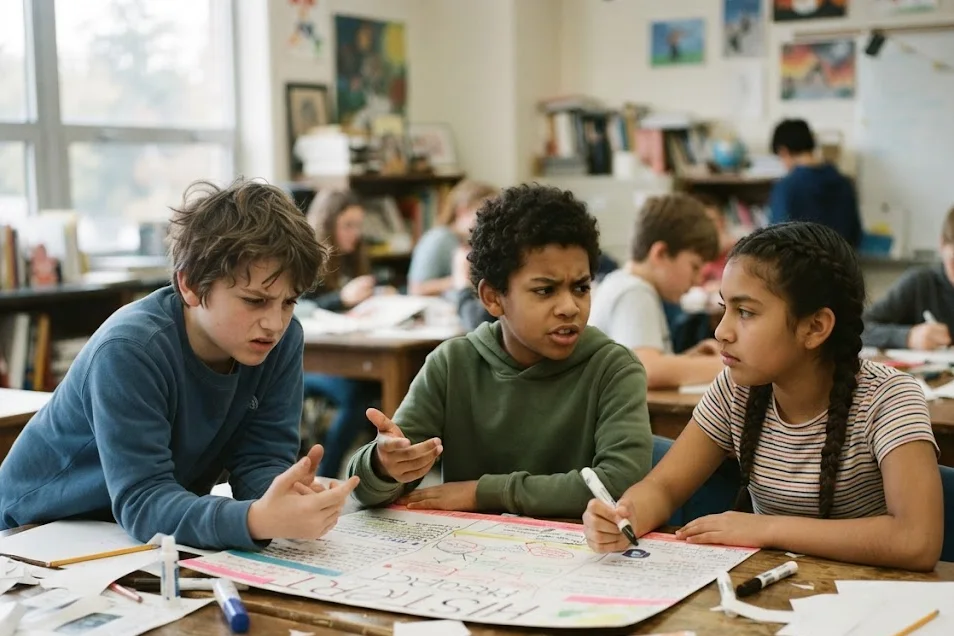 Working With Others
Group Problems Get Messy
- Everyone has a different idea and no one listens.
- One person takes over while others check out.
- Disagreements can stall the work entirely.
Problem-solving isn't a gift some children have. It's a process that can be learned, practiced, and strengthened with every challenge.
Why Problem-Solving Matters More as They Grow
As children grow, the problems get more complex and more often theirs to solve. Having a reliable process helps them face challenges instead of avoiding them.

Bigger Problems, More Independence
- Schoolwork gets more open-ended. Projects and assignments increasingly ask children to figure out the approach, not just the answer.
- Teamwork is everywhere. Group projects, sports, and clubs need children who can solve problems with others, not just alone.
- Decisions carry more weight. Weighing options and consequences helps children make choices that hold up under pressure.
- Setbacks need a response. When a plan fails, a problem-solving process turns frustration into a next step.
- These skills are in demand. Analytical and creative thinking are among the skills employers value most for the future.
The goal isn't a child who never gets stuck. It's one who knows what to do next when a problem doesn't have an easy answer.
What Developing SuperHuman Problem-Solving Skills Helps Your Child Develop
Problem-solving isn't one skill. The course breaks it into specific capabilities children can understand, practice, and strengthen over time.
A Step-by-Step Process
Follow a clear five-step approach: define the problem, brainstorm, choose, act, and evaluate.
Finding the Real Cause
Use tools like the 5 Whys and the Fishbone Diagram to solve problems at their source.
Designing Creative Solutions
Apply design thinking to build solutions around what people actually need.
Checking What Works
Evaluate whether a solution worked, then adjust instead of starting over or giving up.
Solving Problems Together
Contribute ideas, listen to others, and work through problems as part of a team.
Each capability supports the others: a clear process, an eye for root causes, and creativity help children tackle problems with confidence instead of guesswork.
Inside the Course — Four Modules, From the Basics to Innovation
The course starts with a problem-solving process, adds decision-making, builds strategic thinking, and ends with root causes and creative innovation.
- 01
The Basics
A reliable process for everyday problems.
- Understand different problem-solving methods and when to use each one.
- Learn a structured five-step approach to everyday challenges.
- Define a problem clearly before brainstorming solutions.
- Evaluate whether a solution is working and adjust when it isn't.
- 02
Decisions & Solutions
Weighing options and finding root causes.
- Make thoughtful decisions by weighing options and their impact.
- Use the 5-Why method to uncover the root cause of a problem.
- Prioritize actions that lead to lasting outcomes, not quick fixes.
- Consider how empathy leads to solutions that work for everyone.
- 03
Strategic Problem Solving
Thinking ahead and working as a team.
- Anticipate problems and solve them proactively rather than reactively.
- Use critical thinking to analyze situations before deciding.
- Practice teamwork techniques that lead to better solutions.
- Explore the Fishbone Diagram for identifying root causes systematically.
- 04
Root Causes & Innovation
Combining analysis with creativity.
- Use Root-Cause Analysis to address problems at their source.
- Learn Design Thinking, a creative, human-centered approach to challenges.
- Combine analysis and creativity for more complete solutions.
- Improve solutions through iteration, feedback, and collaboration.
Course structure
- 4Modules
- 28Instructional Lessons
- 8Practice Activities
 Course badgeHawk — The Spotter
Together, the modules move children from following a simple process to solving complex problems creatively, alone and with others.
From Learning to Real Life — How Your Child Practices Solving Problems
Knowing the steps is different from using them when a project falls apart. Problem-solving grows through practice, reflection, and real challenges.
 01Learn
Understand the Process
- Watch short animated lessons built around real-life problems.
- See characters define problems and test solutions.
- Discover tools like the 5 Whys and design thinking.
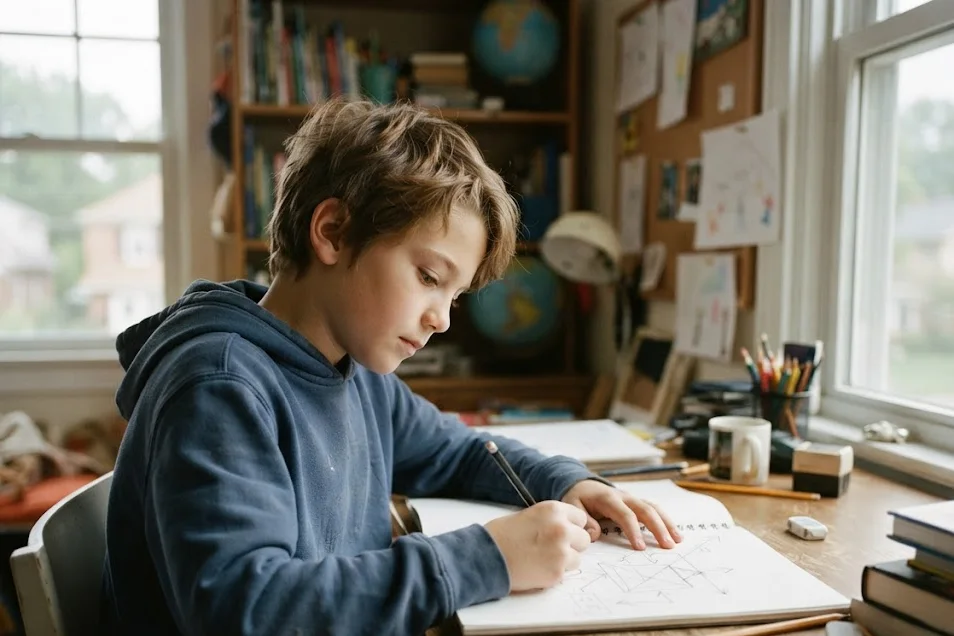 02Practice & Reflect
Work Through the Problem
- Work through scenario-based Try Its where available.
- Compare solutions and predict how each would turn out.
- Reflect on their own problem-solving in module exercises.
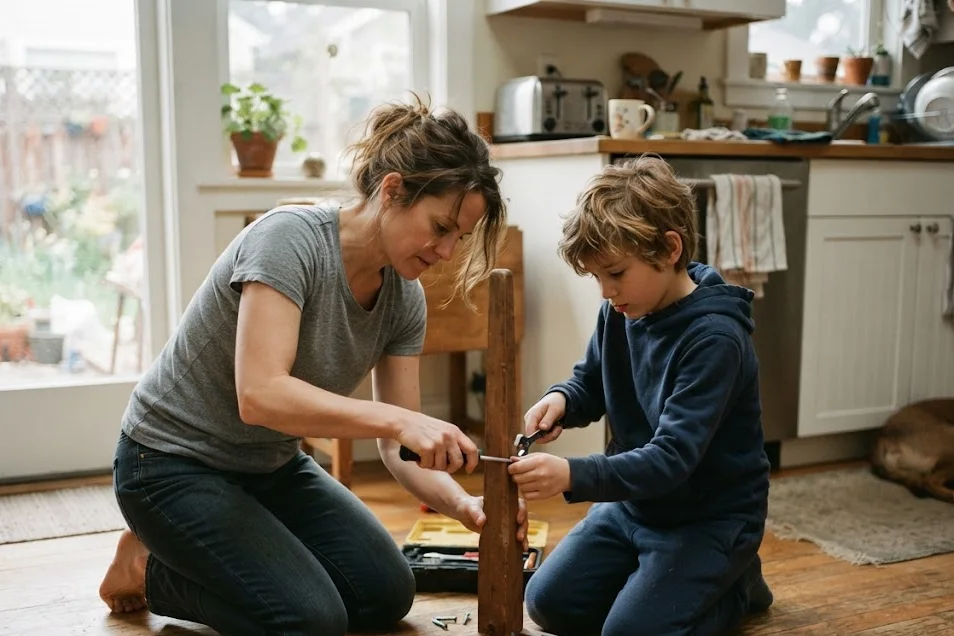 03Apply
Solve Problems Beyond the Screen
- Ask "why?" five times about a recurring problem.
- Brainstorm three solutions before choosing one.
- Check whether a fix worked and adjust if needed.
- Talk with a parent about a problem they solved.
Success isn't solving everything on the first try. It's having a process to try again, and learning something each time.
What Research Tells Us About Thinking, Teamwork & Problem-Solving
Researchers have studied the thinking skills behind problem-solving and how groups solve problems together. These findings describe general patterns, not guarantees.
- Thinking Skills Grow
Flexible thinking can be practiced.
- Executive functions include seeing problems from different angles and adapting to change.
- A major review describes these skills as trainable with practice.
- Stress, poor sleep, and loneliness can weaken them.
- Teams Solve Better
Group success depends on how they talk.
- In studies of 699 people, groups showed a shared problem-solving ability.
- It was linked to members' social sensitivity and equal turn-taking.
- It wasn't strongly linked to the smartest member; participants were adults.
- Valued for the Future
Employers prize analytical thinking.
- The World Economic Forum's 2025 report surveyed over 1,000 employers worldwide.
- About seven in ten called analytical thinking an essential core skill.
- This reflects employer views, not a measure of any child's future.
The evidence points to practice and collaboration: thinking skills grow, and teams solve better when everyone contributes. Developing SuperHuman Problem-Solving Skills is built around that approach, without promising guaranteed results.
How Developing SuperHuman Problem-Solving Skills Supports Two Learning Journeys
The course appears in two programs. It closes one and comes early in the other, building on different courses in each.
Why It Belongs in Both
- In Academic Success, it brings everything together. As the final course, it builds on The Art of Self-Discipline, applying persistence to complex problems.
- In Academic Success, it uses every earlier skill. Focus, emotional steadiness, confidence, and goals all support solving problems that don't have easy answers.
- In Readiness, it follows responsible choices. After Making Responsible Choices, children apply careful decision-making to more complex, open-ended problems.
- In Readiness, it prepares for real-world challenges. Problem-solving skills carry into Online Safety: Building Knowledgeable Digital Citizens and Financial Literacy I.
The Academic Success ProgramCourse 7 of 7
- 1–4Four Earlier CoursesSelf-Awareness · Focus · Emotions · Confidence
- 5Goal-Setting: Gaining Tools for SuccessPlanning & Progress
- 6The Art of Self-DisciplineHabits & Follow-Through
- 7This CourseDeveloping SuperHuman Problem-Solving SkillsAnalytical Thinking & Adaptability
The Readiness ProgramCourse 3 of 7
- 1–2Two Earlier CoursesPurpose · Choices
- 3This CourseDeveloping SuperHuman Problem-Solving SkillsComplex Problem-Solving
- 4Online Safety: Building Knowledgeable Digital CitizensDigital Citizenship
- 5–7Three Later CoursesMoney · Goals · Mindfulness
In either program, the course isn't a standalone fix. It's one step in a longer sequence that gives problem-solving time to develop.
Frequently Asked Questions About Developing SuperHuman Problem-Solving Skills
Practical answers about what your child will learn, what the course asks of your family, and how it fits into Bloomster's programs.
Who is Developing SuperHuman Problem-Solving Skills designed for?
It uses everyday situations relevant to children roughly 9 to 14. It is the seventh course in the Academic Success Program, which works for children from 9 to 14, and the third in the Readiness Program, designed around ages 12–14. What your child is experiencing matters more than an exact age.
What will my child learn in this course?
Children learn a five-step problem-solving process, how to make thoughtful decisions, and tools for finding root causes like the 5 Whys and the Fishbone Diagram. They also explore design thinking, teamwork, and improving solutions through iteration.
Is this a math or academic course?
No. The course teaches general problem-solving and decision-making skills that apply to school, friendships, projects, and everyday life. It doesn't teach math or any school subject, though the thinking skills can support schoolwork.
How long does the course take?
Your child moves at their own pace. The four modules contain 28 short animated lessons, 8 practice activities, and a module exercise at the end of each. Inside a program, courses are spaced across roughly a year, which gives this one several weeks to settle into daily life.
How much time should my child spend on it each week?
We suggest two 30-minute learning sessions each week. Everyday problems between sessions, like a broken plan or a tricky project, give your child natural chances to try the process. If a week gets missed, simply pick up again.
Do I need to be involved as a parent?
You don't need to teach the course. Protect the learning time, notice what your child is working on, and when they bring you a problem, ask what they think first instead of solving it for them. Bloom, the parent side of Bloomster, helps you follow along.
My child gives up easily when something is hard. Will this help?
The course gives children a process to fall back on, which makes hard problems feel more manageable. It also treats failed attempts as useful information. It can't promise a specific change, but practice helps persistence grow.
What is design thinking?
Design thinking is a creative approach that starts with understanding what people actually need, then brainstorming, building, and testing solutions. Children learn it in Module 4 alongside root-cause analysis, so they can combine careful analysis with creativity.
Can I enroll my child in this course by itself?
Bloomster is organized around learning journeys rather than single-course purchases. Developing SuperHuman Problem-Solving Skills is part of the Academic Success and Readiness programs, and it may also be recommended within a Personalized Course Journey. Finding your start shows where your child might begin.
How will I know whether my child is making progress?
Look for small signs: breaking a big task into steps, asking why something keeps happening, trying a second idea after the first fails, or working through a group problem more calmly. Progress is rarely a straight line.
Explore the Academic Success and Readiness Programs — See the Bigger Journey
Problem-solving is one capability among many. Both programs connect it with focus, confidence, decision-making, and the independence children are growing into.
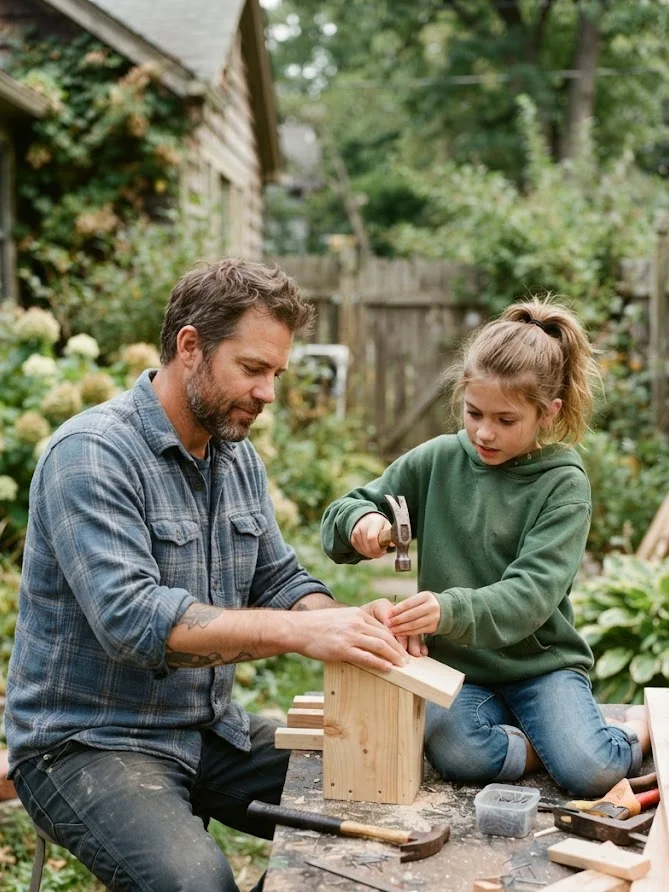
Problem-Solving Grows Alongside Other Skills
- This course builds a reliable process for solving problems, alone and with others.
- Earlier courses develop the focus, persistence, and judgment problem-solving draws on.
- In Readiness, later courses apply these skills to online life, money, and goals.
- Steady practice across months gives these capabilities time to connect in everyday life.
Explore how each program sequences its seven courses, and which journey fits what your child needs right now.
 Free PDF · No account neededFree Problem-Solving Guide for ParentsReal-life scenarios and questions to talk through problem-solving with your child at home.
Problem-solving isn't about always knowing the answer. It's about your child trusting that they can figure out the next step.