
Foundations · A Window Program by Bloomster
Before They Can Navigate the World, They Need to Understand Themselves.
Understanding emotions, expressing feelings, and building friendships are foundations for growing independence. These essential capabilities deserve a thoughtful place to develop.
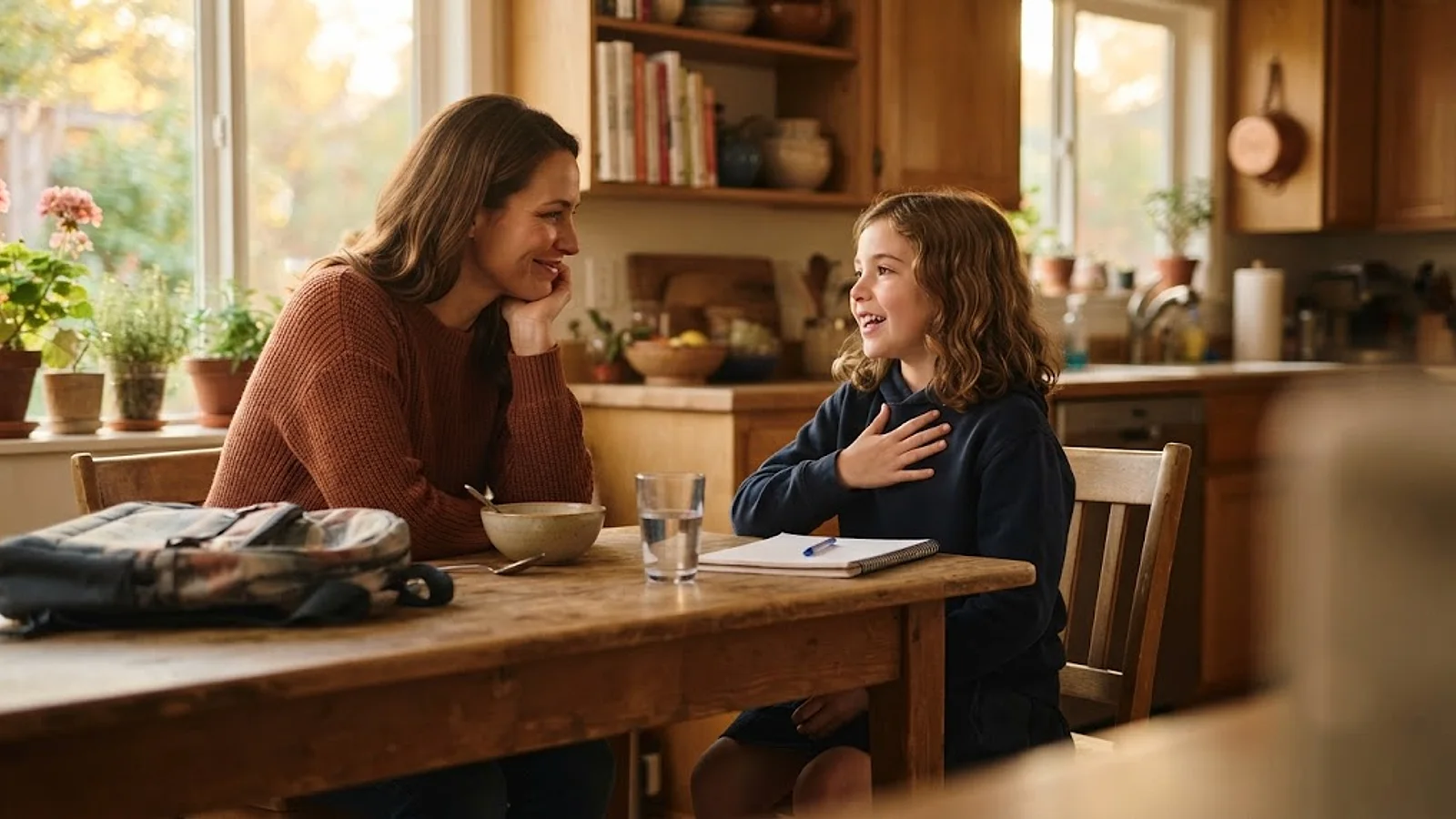
Their World Is Growing Beyond the Familiar
As children approach adolescence, friendships become more meaningful, emotions can feel more complicated, and experiences outside the family increasingly influence how they see themselves and others.
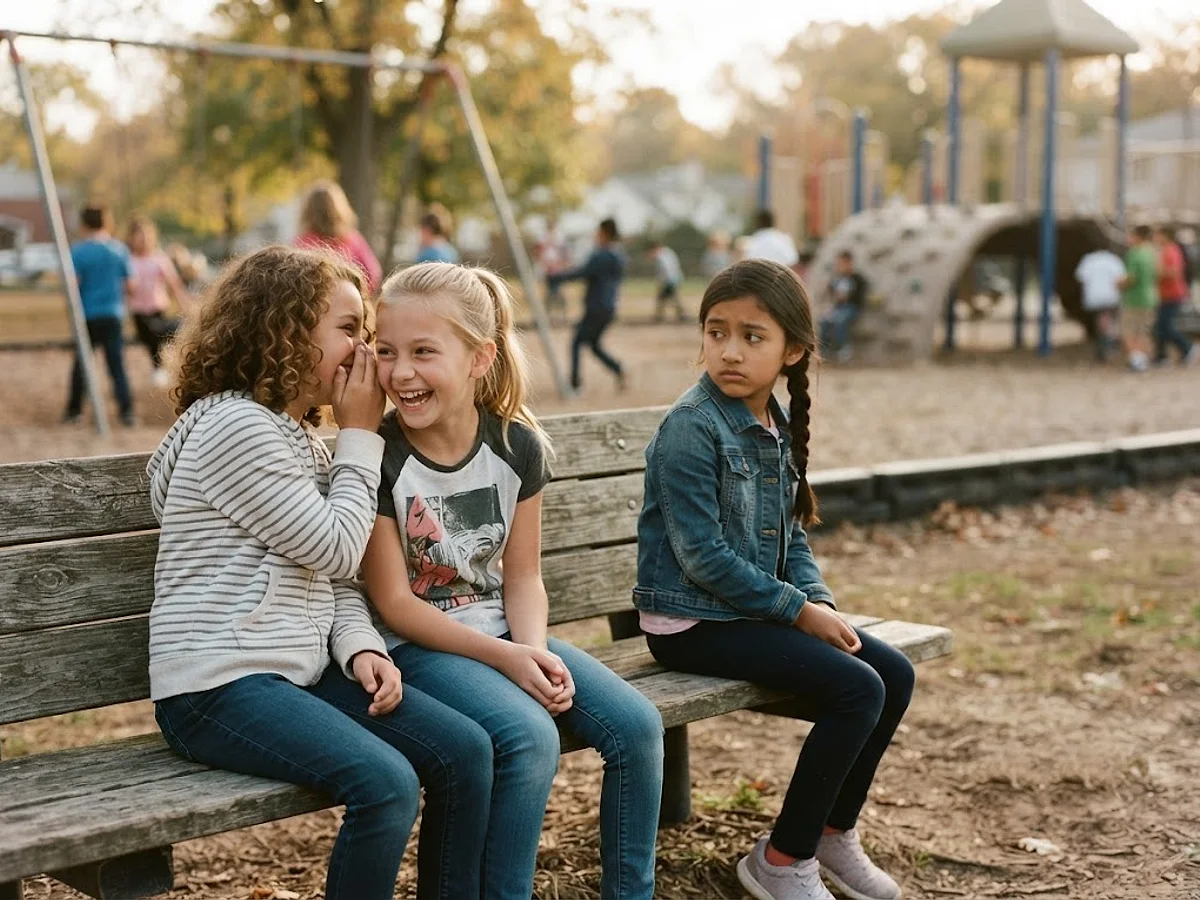
Their World Is Becoming More Complex
- Friendships become more important, bringing new experiences of belonging, disagreement, and exclusion.
- Feelings become more complicated, even when children don't yet have the words to explain them.
- Children begin forming stronger beliefs about themselves through what others say and how they respond.
- Expressing needs, understanding different perspectives, and resolving misunderstandings become increasingly important.
- Unkind behavior, teasing, and peer pressure introduce situations that require awareness, judgment, and support.
These ordinary moments can shape how children understand themselves, relate to others, and respond when things get difficult.
Why These Years Matter for Building Foundations
Around ages 9–10, children develop a deeper understanding of their inner experiences while becoming increasingly aware of others' feelings, perspectives, and expectations. This creates a meaningful opportunity for intentional development.
- Their Self-Understanding Is Deepening
From Feeling to Understanding
- Children become increasingly capable of recognizing that different feelings can exist at the same time.
- They begin connecting their emotional experiences with the situations, thoughts, and expectations behind them.
- Their capacity to reflect on feelings and behavior is growing, even when strong emotions remain difficult to manage.
- Their Social World Is Expanding
From Familiar Relationships to New Perspectives
- Friendships begin involving greater expectations around loyalty, fairness, trust, and consideration for others.
- Their growing ability to understand different perspectives creates opportunities for deeper empathy.
- They are learning that relationships involve differences, misunderstandings, and sometimes the need to repair trust.
- Their Sense of Belonging Is Taking Shape
From Seeking Acceptance to Developing Identity
- Children become more aware of how they are perceived and how they compare themselves with peers.
- Experiences of acceptance, rejection, praise, and criticism can influence emerging beliefs about who they are.
- They increasingly develop personal preferences, strengths, and values while still benefiting from family guidance.
These foundations are developing whether anyone deliberately teaches them or not. This is an opportunity to help children make sense of those experiences before they become deeply familiar patterns.
What the Foundations Program Helps Your Child Develop
The Foundations Program brings together seven connected capabilities that help children understand themselves, manage emotions, communicate clearly, develop empathy, and build healthier relationships.
- Understand Themselves
Self-Awareness & Emotional Regulation
- Recognize emotions, thoughts, personal strengths, and the experiences that influence their reactions.
- Develop language for understanding feelings and what may trigger them.
- Practice responding to frustration, disappointment, and uncertainty with greater awareness.
- Connect With Others
Communication, Empathy & Friendships
- Express thoughts, feelings, and needs more clearly while practicing active listening.
- Consider other people's perspectives and recognize how their actions affect others.
- Build friendship skills and learn to navigate differences, disagreements, and misunderstandings.
- Navigate Their Social World
Social Safety, Gratitude & Belonging
- Recognize bullying, teasing, and other harmful social behavior, and explore constructive ways to respond.
- Develop awareness of when and how to seek support, set boundaries, or stand up for themselves and others.
- Explore gratitude and appreciation as ways of recognizing positive experiences and strengthening connections.
The goal is not a child who never feels upset, experiences friendship difficulties, or makes mistakes. It is a child developing greater awareness and more constructive ways to navigate those experiences.
Seven Courses. One Thoughtful Learning Journey.
The Foundations Program is not a random collection of life-skills lessons. Seven carefully selected courses build a connected journey from understanding oneself and managing emotions to developing communication, empathy, friendships, social awareness, and gratitude.
- 01Self-Awareness
Exploring You: A Journey to Self-Awareness
Begin understanding thoughts, feelings, personal strengths, and the experiences that shape reactions.
Explore the course - 02Emotional Understanding & Regulation
Emotional You: Managing Your Emotions
Recognize emotions, understand what triggers them, and explore more thoughtful ways to respond.
Explore the course - 03Expression & Listening
Communication Foundations
Learn to express needs, feelings, and ideas clearly while developing the ability to listen to others.
Explore the course - 04Perspective-Taking
Cultivating Empathy
Explore how others may feel and think, and learn to consider different experiences and viewpoints.
Explore the course - 05Friendships & Relationships
Relationship Building Basics
Practice forming and maintaining friendships, navigating differences, and building healthier connections.
Explore the course - 06Social Safety & Self-Advocacy
Identifying and Dealing With Bullies
Recognize harmful social behavior and explore constructive ways to protect themselves and support others.
Explore the course - 07Appreciation & Positive Connection
What is Gratitude?
Develop greater awareness of what they value and appreciate, reinforcing kindness, connection, and belonging.
Explore the course
Each course introduces a meaningful capability. Together, they provide a structured progression from understanding personal experiences to navigating relationships and participating more thoughtfully in the world around them.
Why This Sequence Matters — Each Skill Builds on the Last
Understanding others begins with self-awareness. The Foundations Program follows a deliberate progression, helping children build emotional understanding before applying those capabilities to increasingly complex social situations.
- 1Exploring You: A Journey to Self-AwarenessUnderstanding Themselves
Children begin by recognizing their thoughts, feelings, and experiences, laying a foundation for managing emotions and understanding how they respond to others.
- 2Emotional You: Managing Your EmotionsMaking Sense of Emotions
Once children become more aware of their internal experiences, they can develop the vocabulary and strategies to recognize and respond to emotions more constructively.
- 3Communication FoundationsLearning to Express Themselves
Emotional awareness becomes more useful in relationships when children learn to express needs, feelings, and ideas clearly while listening to others.
- 4Cultivating EmpathyUnderstanding Different Perspectives
As children develop communication skills, they are better prepared to recognize that others may think, feel, and experience situations differently.
- 5Relationship Building BasicsPutting Social Skills Together
Children bring emotional awareness, communication, and empathy together as they practice forming friendships, navigating disagreements, and maintaining positive relationships.
- 6Identifying and Dealing With BulliesNavigating Harmful Behavior
With a stronger understanding of healthy relationships, children explore how to recognize harmful social behavior, respond safely, and support themselves and others.
- 7What is Gratitude?Strengthening Appreciation and Connection
Gratitude builds on the program's earlier work by encouraging children to recognize the positive people and experiences in their lives, reinforcing appreciation, kindness, and belonging.
Each course has value on its own. Together, the sequence helps children move from understanding their internal world to navigating the increasingly complex world of relationships and social experiences.
From Understanding to Practice — How Learning Takes Root
Children may understand that they should be kind, manage frustration, or speak up when something feels wrong. But applying that understanding during a disagreement, disappointment, or difficult friendship moment takes practice.
- 1Recognize
See It in Their Own World
- Relatable lessons introduce familiar situations involving emotions, friendships, misunderstandings, and social pressure.
- Children begin recognizing connections between their feelings, thoughts, behavior, and relationships.
- 2Explore
Think Through Real Choices
- Interactive scenarios encourage children to consider what they might do when faced with different feelings, perspectives, and choices.
- Children practice considering consequences and other people's perspectives rather than simply being told the correct response.
- 3Practice
Build Through Repetition
- Activities and reflection provide opportunities to revisit ideas, understand reactions, and consider alternative responses.
- Learning develops across lessons and courses, allowing emotional and social capabilities to be revisited and reinforced.
- 4Apply
Bring It Into Everyday Life
- Parents help children recognize opportunities to use what they learn in friendships, family conversations, and everyday experiences.
- Real-life interactions create opportunities to express feelings, show empathy, resolve misunderstandings, and reflect on what happened.
The goal isn't for your child to memorize what empathy or emotional regulation means. It's to help them gradually recognize when those capabilities matter and learn how to use them.
A Year of Growth, Not a Race to Finish
Children don't master understanding emotions and building healthy relationships after a single lesson. They develop through experience, reflection, practice, and repeated opportunities to respond differently.
- Seven Connected Courses
A Substantial Learning Journey
- Seven courses bring together complementary capabilities across self-awareness, emotional understanding, communication, empathy, relationships, social safety, and gratitude.
- Each course contains multiple modules, lessons, practice activities, and opportunities for reflection.
- The courses form a connected developmental progression rather than seven unrelated topics.
- A Sustainable Learning Rhythm
Progress Without Rushing
- A recommended rhythm of two 30-minute learning sessions each week gives families a manageable starting point.
- Progress is paced to allow children to absorb ideas and recognize opportunities to apply them in everyday situations.
- Moving faster isn't necessarily better when learning involves emotions, relationships, and habits that develop through experience.
- Room for Life to Happen
Consistency Without Rigidity
- School breaks, vacations, family commitments, and unexpected interruptions are normal parts of life.
- An approximately year-long calendar journey provides flexibility around periods of active learning.
- Families can return to a consistent rhythm without treating every missed week as a failure.
Completing the curriculum is a milestone. The more meaningful progress is what your child begins to carry into their understanding of themselves, their relationships, and their everyday choices.
What Growth Could Look Like in Everyday Life — And How Parents Can Help
These foundations may show up in ordinary moments: finding words for difficult feelings, noticing another person's perspective, navigating a disagreement, or recognizing when to ask for help.
Your child begins describing what they're feeling rather than expressing everything through their immediate reaction.
Give them room to identify and explain feelings before offering advice or correcting their response.
They become more aware of what makes them upset, worried, excited, or frustrated.
Help them reflect on what happened, what they were thinking, and what might help next time.
They begin expressing needs or concerns more clearly during everyday conversations.
Listen attentively and encourage them to explain their perspective in their own words.
They show greater curiosity about why a friend or family member might feel differently.
Ask what another person might have been thinking or experiencing, without dismissing your child's feelings.
They become more willing to talk about friendship difficulties, teasing, or uncomfortable interactions.
Keep conversations open, help them recognize harmful behavior, and reinforce that asking for support is appropriate.
They begin noticing kindness, support, and positive experiences they may previously have overlooked.
Model appreciation and create ordinary opportunities to recognize people and experiences that matter.
Growth may be gradual, uneven, and difficult to measure from one day to the next. What matters is creating more opportunities for your child to understand themselves, consider others, and practice navigating everyday experiences.
Find Your Start — Experience Bloomster for Yourself
If the thinking behind the Foundations Program resonates with you, the next step isn't choosing a program immediately. It's experiencing how Bloomster approaches learning and deciding whether it belongs in your family's life.
- 1Tell Us About Your Child
Share What You're Noticing
- Tell us your child's age and what you've been noticing about their strengths, challenges, and development.
- You don't need to identify the right course or program yourself.
- Your observations help establish a meaningful starting point.
- 2Experience a Recommended Starting Point
See How Bloomster Teaches
- Based on what you share, Bloomster recommends a specific course module for you to experience.
- Explore the learning videos, interactive Try Its, and module exercises from a parent's perspective.
- Understand what your child would learn and how Bloomster encourages thinking, practice, and reflection.
- 3Decide What Fits
Choose Your Child's Learning Path
- During your seven-day Parent Experience, explore the learning approach before deciding how to proceed.
- Choose among a Window Program, Edge Program, or Personalized Course Journey based on what makes sense for your child.
- The recommended module is an introduction to the learning experience—not a requirement to enroll in a particular program.
You don't have to decide today whether Foundations is the right program for your child. Begin by understanding the learning experience, then choose the path that fits your family.