
Habits · A Window Program by Bloomster
The Habits They Build Today Shape How They Face Tomorrow.
As responsibilities grow, children need more than reminders. Focus, self-discipline, and purposeful habits help them take greater ownership of their learning and choices.
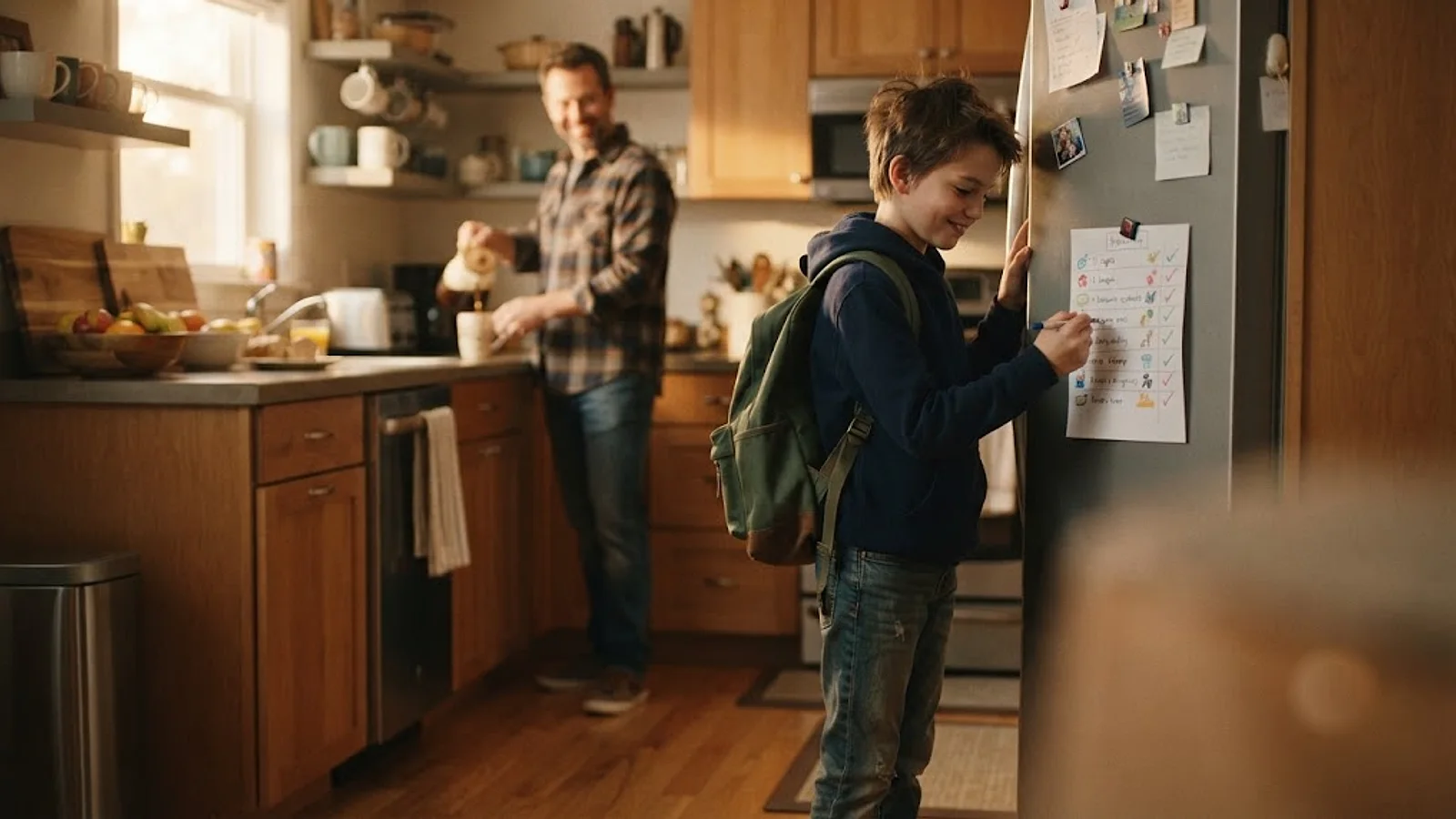
Growing Independence Brings Growing Responsibilities
As children grow more independent, expectations change. They are asked to manage more, remember more, work with others, and make choices without someone guiding every step.
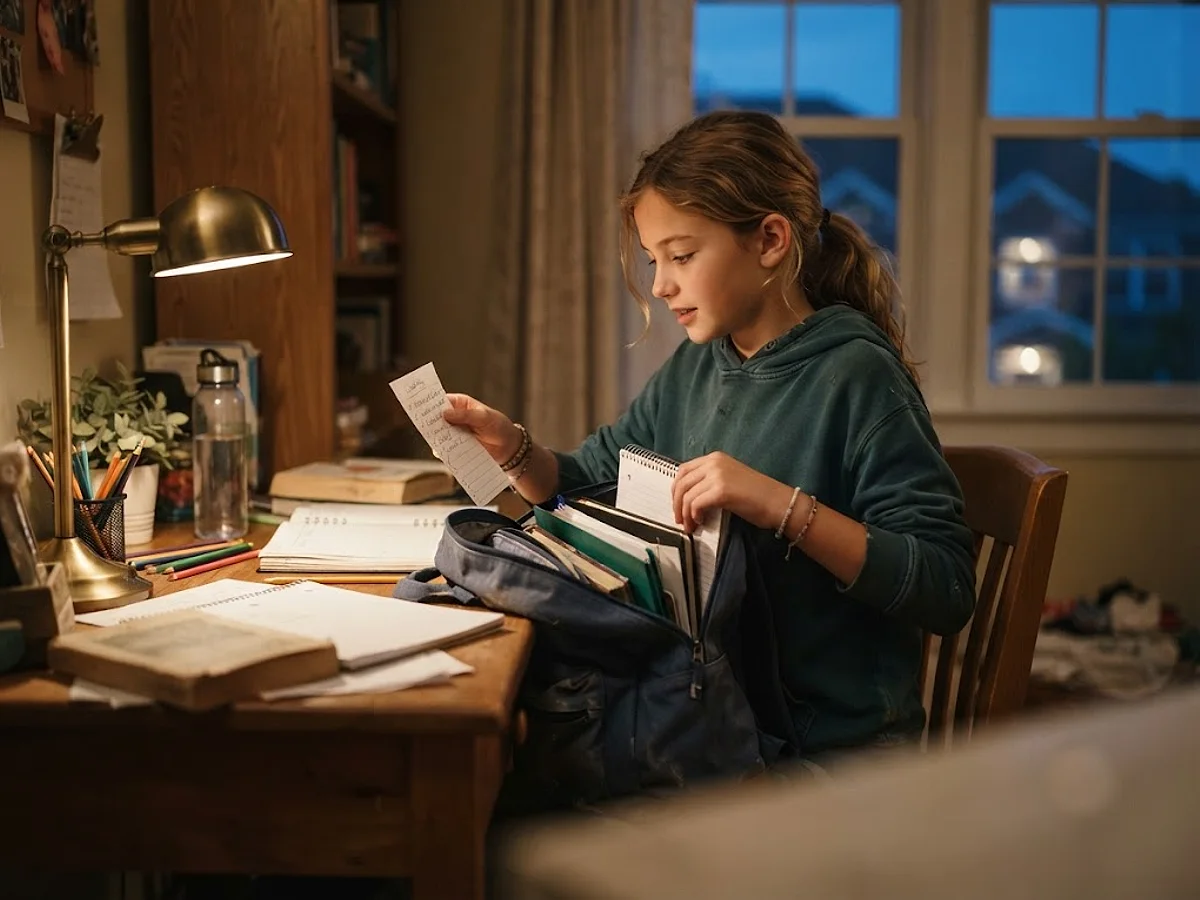
Their World Is Asking More of Them
- Assignments and activities require more organization, sustained effort, and follow-through.
- Distractions compete for attention, even when children genuinely want to concentrate.
- Greater independence means remembering responsibilities without constant reminders.
- Group projects and friendships require cooperation, patience, and shared accountability.
- Misunderstandings and hurt feelings can leave children unsure whether to respond, repair a friendship, or move forward.
What once required a parent's reminder gradually becomes a child's ability to focus, choose, and follow through—even when responsibilities and relationships become more complicated.
Why These Years Matter for Building Habits
Around ages 10–12, children are becoming more capable of reflecting on their choices, considering different approaches, and managing themselves. But these abilities are still developing, making this an important window for intentional learning.
- Their Thinking Is Evolving
From Following Instructions to Thinking Ahead
- Children become increasingly capable of considering different approaches rather than relying on a single familiar solution.
- They can begin reflecting more deeply on what worked, what didn't, and what they might do differently.
- Their capacity to understand different perspectives and think through social situations is expanding.
- Their Sense of Ownership Is Growing
From External Direction to Internal Motivation
- They begin developing a stronger sense of personal responsibility and ownership over their choices.
- Their understanding of effort, progress, and personal capability continues to evolve through experience.
- They are gradually learning to act for reasons that matter to them, rather than relying entirely on approval or reminders.
- Their Independence Is Taking Shape
From Depending on Others to Managing Themselves
- Their growing independence creates opportunities to practice making decisions without immediate adult direction.
- Their ability to manage attention, impulses, and competing priorities is developing, but remains inconsistent.
- They still benefit from guidance, structure, and opportunities to practice before greater independence is expected of them.
These capabilities don't arrive fully formed with age. This is an opportunity to help children develop them intentionally, while they are still learning how to manage themselves.
What the Habits Program Helps Your Child Develop
The Habits Program brings together seven connected capabilities that help children become more focused, responsible, curious, collaborative, and increasingly able to direct their own learning, actions, and responses to others.
- Manage Themselves
Focus & Impulse Control
- Recognize distractions and develop strategies to return their attention to what matters.
- Practice pausing before acting and choosing responses more intentionally.
- Strengthen awareness of how their choices affect their learning, relationships, and responsibilities.
- Take Ownership
Motivation & Self-Discipline
- Approach learning with curiosity and greater willingness to attempt difficult things.
- Build useful routines, sustain effort, and follow through even when motivation changes.
- Develop greater awareness of how consistency and everyday choices contribute to progress.
- Think & Work With Others
Analytical Thinking, Teamwork & Forgiveness
- Ask thoughtful questions, examine information, and reason through problems rather than waiting for answers.
- Listen to different perspectives, share responsibility, and cooperate when working with others.
- Learn to understand forgiveness, work through hurt feelings, and consider healthier ways to move forward while maintaining appropriate boundaries.
The goal is not a child who never gets distracted, makes mistakes, or needs reminders. It is a child gradually developing the ability to manage more of their own choices and responsibilities.
Seven Courses. One Thoughtful Learning Journey.
The Habits Program is not a random collection of life-skills lessons. Seven carefully selected courses form a connected journey, from managing attention and impulses to building motivation, discipline, independent thinking, teamwork, and the ability to move forward after interpersonal difficulties.
- 01Attention & Focus
Focused You: Manage Your Mind & Energy
Learn to manage distractions, direct attention, and use mental energy more intentionally.
Explore the course - 02Self-Regulation
Mastering Impulse Control
Practice pausing, thinking, and choosing responses instead of acting on impulse.
Explore the course - 03Curiosity & Motivation
Learning to Love Learning!
Develop a more curious, adaptable approach to learning and unfamiliar challenges.
Explore the course - 04Effort & Follow-Through
The Art of Self-Discipline
Build the ability to sustain effort, form useful routines, and act on intentions.
Explore the course - 05Analytical Thinking
MindCraft: Developing Analytical Skills
Strengthen reasoning, evaluate information, and approach complex problems thoughtfully.
Explore the course - 06Collaboration
Understanding Why Teamwork Matters
Practice listening, cooperating, sharing responsibility, and working toward common goals.
Explore the course - 07Forgiveness & Emotional Recovery
Power of Forgiveness
Understand forgiveness, work through hurt feelings, and explore constructive ways to move forward after difficult experiences with others.
Explore the course
Each course introduces a meaningful capability. Together, they provide a structured progression that gives children opportunities to develop and connect those capabilities over time.
Why This Sequence Matters — Each Skill Builds on the Last
Children don't develop focus, discipline, motivation, independent thinking, and healthy relationship habits all at once. The Habits Program builds these capabilities in a deliberate order, giving each new skill a foundation in what came before.
- 1Focused You: Manage Your Mind & EnergyLearning to Direct Attention
Before children can manage responsibilities, they benefit from recognizing distractions and learning how to return their attention to what matters.
- 2Mastering Impulse ControlLearning to Pause
Building on attention awareness, children practice managing immediate reactions and making more deliberate choices.
- 3Learning to Love Learning!Developing Curiosity
With greater awareness of attention and impulses, children explore how curiosity, effort, and openness influence their willingness to learn.
- 4The Art of Self-DisciplineFollowing Through
As curiosity and motivation develop, children learn to sustain effort, build productive routines, and act even when motivation fluctuates.
- 5MindCraft: Developing Analytical SkillsThinking More Independently
With stronger self-management and learning habits, children are better positioned to examine information, question assumptions, and reason through complex challenges.
- 6Understanding Why Teamwork MattersWorking With Others
Children bring their developing self-management and thinking skills into shared responsibilities, cooperation, and working constructively with different perspectives.
- 7Power of ForgivenessMoving Forward After Hurt
As children navigate teamwork and relationships, they also need to understand how to respond to hurt, acknowledge mistakes, consider forgiveness, and move forward without abandoning healthy boundaries.
Each course has value on its own. Together, the sequence gives children opportunities to connect what they learn rather than treat each capability as an isolated subject.
From Understanding to Practice — How Learning Takes Root
Children may understand the importance of focus or self-discipline and still struggle when distractions, frustration, or competing priorities appear. They may also understand forgiveness but find it harder when a friendship has left them hurt. Developing a capability takes more than hearing why it matters.
- 1Recognize
See It in Their Own World
- Relatable lessons introduce familiar situations involving distractions, motivation, responsibilities, teamwork, and friendship difficulties.
- Children begin recognizing patterns in their own attention, behavior, decisions, and responses to difficult experiences.
- 2Explore
Think Through Real Choices
- Interactive scenarios encourage children to consider different choices and their consequences.
- Children practice reasoning through situations rather than simply being told what to do, including situations involving hurt feelings and forgiveness.
- 3Practice
Build Through Repetition
- Activities and reflection give children opportunities to revisit ideas and consider how they might respond differently.
- Learning develops across lessons and courses, creating opportunities for reinforcement over time.
- 4Apply
Bring It Into Everyday Life
- Parents help children notice opportunities to use what they learn in homework, hobbies, friendships, and responsibilities.
- Everyday experiences provide opportunities to try, reflect, adjust, and try again.
The goal isn't for your child to explain what self-discipline or forgiveness means. It's for them to gradually become more capable of applying these ideas when they matter.
A Year of Growth, Not a Race to Finish
Habits don't become dependable simply because a child completes a lesson. They develop through consistent attention, meaningful practice, and enough time for learning to become part of everyday life.
- Seven Connected Courses
A Substantial Learning Journey
- Seven courses bring together complementary capabilities across focus, motivation, discipline, analytical thinking, teamwork, and forgiveness.
- Each course contains multiple modules, lessons, practice activities, and opportunities for reflection.
- The courses form a connected developmental progression rather than seven unrelated topics.
- A Sustainable Learning Rhythm
Progress Without Rushing
- A recommended rhythm of two 30-minute learning sessions each week gives families a manageable starting point.
- Progress is paced to allow children to understand ideas and find opportunities to apply them.
- Moving faster isn't necessarily better when the goal is developing lasting capabilities.
- Room for Life to Happen
Consistency Without Rigidity
- School breaks, vacations, family commitments, and unexpected interruptions are normal parts of life.
- An approximately year-long calendar journey provides flexibility around periods of active learning.
- Families can return to a consistent rhythm without treating every missed week as a failure.
Completing the curriculum is a milestone. The more meaningful progress is what your child begins to carry into everyday decisions, responsibilities, and relationships.
What Growth Could Look Like in Everyday Life — And How Parents Can Help
The value of developing better habits may show up in ordinary moments: beginning a difficult task, responding to distractions, working with others, following through without another reminder, or navigating hurt feelings after a friendship disagreement.
Your child begins recognizing when they're distracted and makes an effort to refocus.
Notice and reinforce the effort to refocus rather than expecting perfect concentration.
They show more willingness to keep working on a responsibility even when their initial enthusiasm fades.
Recognize their effort and consistency rather than focusing only on the result.
They become more willing to try something difficult or unfamiliar.
Encourage curiosity, effort, and reflection rather than focusing only on the result.
They begin following through on some responsibilities with fewer reminders.
Create reasonable opportunities for independence, allowing them to take ownership and learn from mistakes.
They show greater awareness of their contribution when working with others.
Discuss cooperation, listening, and shared responsibility when everyday situations present an opportunity.
They begin considering alternative approaches when an initial solution doesn't work.
Ask what else they might try rather than immediately providing the answer.
They begin reflecting on friendship difficulties with greater perspective, including when forgiveness or an apology might be appropriate.
Listen without rushing them to forgive. Help them distinguish forgiveness from excusing hurtful behavior, and reinforce the importance of healthy boundaries.
Growth may be gradual, uneven, and difficult to measure from one day to the next. What matters is creating more opportunities for your child to practice taking responsibility for their own choices.
Find Your Start — Experience Bloomster for Yourself
If the thinking behind the Habits Program resonates with you, the next step isn't choosing a program immediately. It's experiencing how Bloomster approaches learning and deciding whether it belongs in your family's life.
- 1Tell Us About Your Child
Share What You're Noticing
- Tell us your child's age and what you've been noticing about their strengths, challenges, and development.
- You don't need to identify the right course or program yourself.
- Your observations help establish a meaningful starting point.
- 2Experience a Recommended Starting Point
See How Bloomster Teaches
- Based on what you share, Bloomster recommends a specific course module for you to experience.
- Explore the learning videos, interactive Try Its, and module exercises from a parent's perspective.
- Understand what your child would learn and how Bloomster encourages thinking, practice, and reflection.
- 3Decide What Fits
Choose Your Child's Learning Path
- During your seven-day Parent Experience, explore the learning approach before deciding how to proceed.
- Choose among a Window Program, Edge Program, or Personalized Course Journey based on what makes sense for your child.
- The recommended module is an introduction to the learning experience—not a requirement to enroll in a particular program.
You don't have to decide today whether Habits is the right program for your child. Begin by understanding the learning experience, then choose the path that fits your family.