
Personalized Course Journey · A Personalized Path by Bloomster
No Two Children Grow the Same Way. Their Learning Journey Shouldn't Either.
Begin with what matters most for your child, then follow a thoughtfully structured journey through capabilities that support their development.

Every Child Has Their Own Starting Point
Children of the same age can need very different things. Bloomster helps identify a meaningful starting point based on your child's needs and developmental stage.
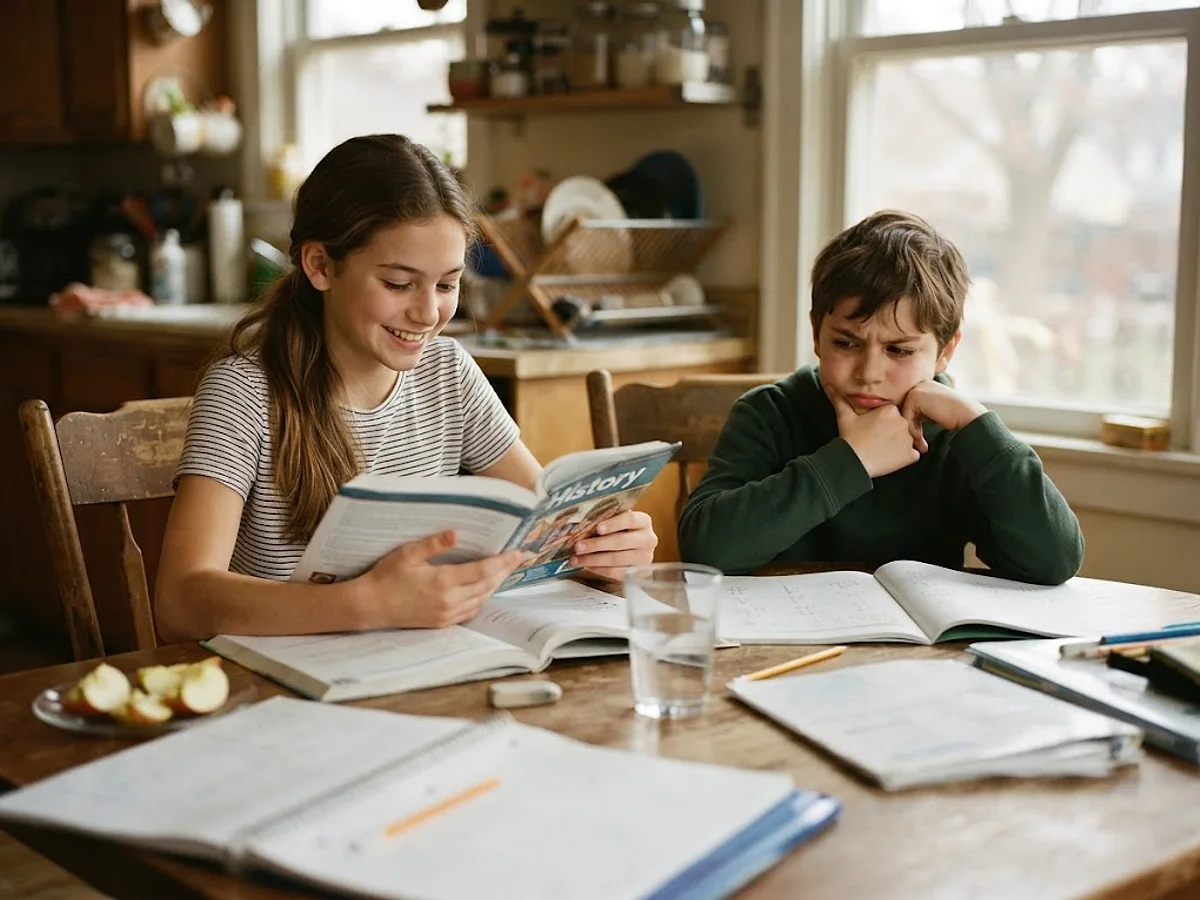
What Matters Most Is Personal to Your Child
- Hesitating to speak up may point toward confidence and self-belief.
- Frequent frustration may make emotional awareness and regulation a useful starting point.
- Changing friendships may bring communication, empathy, and relationship skills forward.
- Difficulty staying focused may make attention and productive habits especially useful.
- Growing independence may create opportunities to strengthen judgment, responsibility, and decision-making.
A starting point is not a label or diagnosis. It simply identifies a capability that may be especially worthwhile to develop now.
A Learning Journey That Evolves With Your Child
The journey starts personally, then builds intentionally. Bloomster connects that starting point to complementary capabilities informed by developmental research, age, and how its courses build upon one another.
- 1Begin With What Matters Now
A Meaningful Starting Point
- Begin with a capability relevant to your child's current needs, age, and stage of development.
- Your guided onboarding helps establish where this journey should begin.
- Different children can therefore enter the journey through different courses.
- 2Learn, Practice & Grow
One Capability at a Time
- Each recommended course gives one important capability focused attention.
- Lessons, scenarios, reflection, and practice help the learning take root.
- Families can reinforce the ideas through everyday experiences beyond Bloomster.
- 3Build From There
A Thoughtful Progression
- Bloomster connects each course to complementary capabilities worth developing next.
- Recommendations draw on developmental priorities and how Bloomster's courses reinforce one another.
- The journey can move across social, emotional, intellectual, mindfulness, and physical development.
Personalization begins with where your child starts. From there, Bloomster provides thoughtful structure for building a broader foundation of capabilities over time.
One Course at a Time. Each Step Chosen With Purpose.
Your child's journey begins with a recommended course and continues through thoughtfully selected capabilities that support their broader development.
- 1A Thoughtful Recommendation
Start With a Capability That Matters
- Guided onboarding helps identify a course aligned with your child's starting needs, age, and grade.
- One child might begin with confidence; another with emotions, focus, relationships, or judgment.
- The recommendation provides direction without labeling or assessing your child's abilities.
- 2A Complete Learning Experience
Give That Capability Room to Develop
- Each course develops its capability through connected modules, lessons, practice, and reflection.
- Relatable situations and interactive Try Its help children think through real-life decisions.
- Repetition across a full course gives important ideas time to deepen.
- 3The Next Meaningful Step
Build on What Came Before
- Each new course introduces capabilities that complement what your child has already explored.
- Recommendations reflect age-appropriate developmental priorities and how Bloomster's courses connect.
- Over time, the journey builds a broader foundation across different dimensions of life.
Each step has a purpose—building on earlier learning while helping your child develop capabilities for different aspects of life.
Learning That Goes Beyond the Course — How Growth Takes Root
Understanding an idea is only the beginning. Meaningful development happens when children recognize it, think through choices, practice it, and begin using it in everyday life.
- 1Recognize
See It in Their Own World
- Relatable lessons connect the capability to situations children may recognize.
- Children begin connecting new ideas with their own experiences.
- 2Explore
Think Through Real Choices
- Interactive scenarios invite children to consider choices, perspectives, and consequences.
- Children practice judgment rather than simply being told what to do.
- 3Practice
Build Through Repetition
- Connected lessons and reflection revisit important ideas from different angles.
- Repetition gives understanding more opportunity to deepen over time.
- 4Apply
Bring It Into Everyday Life
- Parents can help children notice when the capability becomes relevant beyond Bloomster.
- Everyday moments create opportunities to try, reflect, adjust, and grow.
The goal isn't simply to finish a course. It's for the learning to become useful when your child encounters real choices, challenges, relationships, and responsibilities.
What Growth Could Look Like in Everyday Life — And How Parents Can Help
Growth rarely arrives as one dramatic change. It may appear through small shifts in how your child understands situations, makes choices, responds to difficulty, or relates to others.
Greater confidence in asking a question, sharing an opinion, or trying something unfamiliar.
Notice their willingness to participate or try, not only the outcome.
More ability to name difficult feelings or recognize what may be triggering a reaction.
Give them room to describe what happened before stepping in with solutions.
Greater awareness of distractions and ways to return attention to a task.
Help them discover strategies that work rather than expecting perfect concentration.
More willingness to listen, consider another perspective, or repair a misunderstanding.
Model respectful communication and reflect together on everyday interactions.
More ownership of decisions and consideration of possible consequences.
Offer age-appropriate choices and ask questions that encourage thoughtful judgment.
New strengths, challenges, and interests becoming visible as they grow.
Stay curious about who your child is becoming and what may support their development next.
Growth may be gradual and uneven. What matters is giving important capabilities sustained attention and creating opportunities for your child to practice them as everyday life unfolds.
Find Your Start — Experience Bloomster for Yourself
You don't need to map your child's entire journey today. Begin by telling us about your child, experience a recommended starting point, and decide whether Bloomster fits your family.
- 1Tell Us About Your Child
Share What You're Noticing
- Tell us your child's age, grade, and what you've been noticing about their development.
- Share the areas where support or development feels most relevant right now.
- You don't need to determine the right course yourself.
- 2Experience a Recommended Starting Point
See How Bloomster Teaches
- Bloomster recommends a specific course module as a meaningful place to begin.
- Experience learning videos, interactive Try Its, and module exercises from a parent's perspective.
- See how Bloomster turns important capabilities into structured, relatable learning experiences.
- 3Decide What Fits
Choose Your Child's Learning Path
- Use your seven-day Parent Experience to explore Bloomster before deciding how to proceed.
- Choose a Personalized Course Journey, Window Program, or Edge Program based on what fits your child.
- Your recommended module is a starting point, not a commitment to that course or pathway.
You don't need every step figured out. Find a meaningful place to begin, experience the learning, and decide whether Bloomster is right for your child.