Friendships, Cliques, and Confidence: Navigating Social Life in Middle School
Middle school friendships can be tricky. Learn how to help your tween handle cliques, build confidence, and develop healthy relationships with support from Bloomster.
Why Social Life Feels So Big in Middle School
At ages 10–14, friendships aren’t just about who sits next to them at lunch. They become tied to identity, belonging, and self-worth. Cliques and peer pressure are common, and kids often compare themselves to others.
Middle school social struggles aren’t just drama—they’re practice for the real-life skills of communication and confidence.
3 Practical Steps for Parents

- Normalize friendship ups and downs. Remind your child that it’s okay if friendships change—it’s part of growing up.
- Coach, don’t control. Instead of telling them who to hang out with, ask questions like: “How do you feel when you’re with that group?”
- Model healthy relationships. Kids notice how you handle conflict, trust, and boundaries in your own friendships and family.
👉 Key takeaway: You can’t pick their friends—but you can equip them with skills to choose wisely.
Our Relationship Building Basics and Confident You: Believe in Yourself courses teach kids how to:
- Make and keep healthy friendships
- Build genuine self-confidence
- Communicate clearly and handle disagreements without damaging
relationships
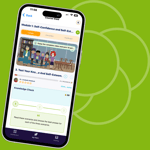
These lessons are taught through short, animated videos and reflection exercises kids actually enjoy.
👉 Give your child tools for stronger friendships with a 7-day free trial today.
Signs Your Tween Is Struggling Socially
Kids this age rarely announce friendship trouble. Watch for:
- A friend's name that suddenly stops coming up.
- Eating lunch in the library, or "not being hungry" at lunch.
- Checking the group chat anxiously, or going quiet after reading it.
- Not wanting to go to a party, practice, or event they used to love.
What to Say When They're Left Out
Your first instinct may be to fix it, or to say "They weren't real friends anyway." Both can make your tween feel like their hurt doesn't count.
Start with the feeling: "That sounds really lonely." Then get curious: "Who do you feel most like yourself around?" Often it's someone outside the group they've been trying to join.
Then help them take one small step: inviting one person over, sitting at a different table once, or trying a club where they'll meet kids who share an interest. Confidence grows from one good connection, not from winning over a whole group.
Cliques or Bullying? When to Step In
Shifting friendships, changing groups, and the occasional left-out weekend are painful but normal. Step in when the behavior is repeated, aimed at your child, comes from someone with more social power, or moves online. If your tween seems afraid to go to school, contact the school. For a step-by-step plan, read How to Support Your Child Through Bullying.
Free Resource for Parents
📘 Assessing Conflict Resolution: A Guide for Parent-Child Conversations
This free guide helps you start conversations about handling disagreements calmly and respectfully—at home, at school, and with friends.