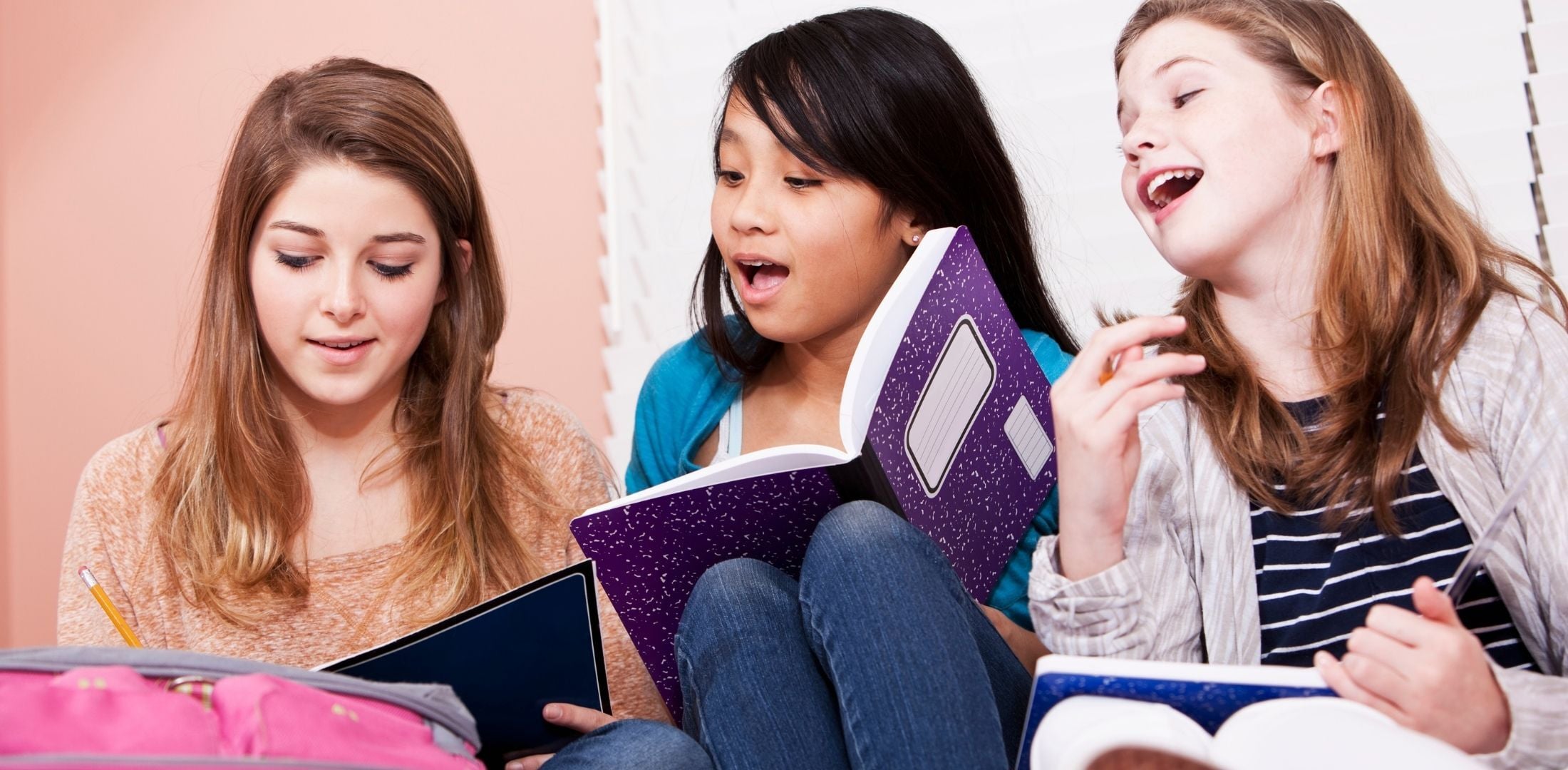
The Question Underneath Every Friendship Problem Your Tween Has — And Why It Matters More Than the Drama
TL;DR:
When a small social moment hits your tween like a catastrophe, he isn't overreacting to the moment. He's answering a bigger question: do I belong, and am I someone who gets to? Fixing the moment won't help him much. Helping him keep one bad day from becoming his answer will.
"Nobody Saved Me a Seat."
4:05, the school pickup line. He gets in, drops his backpack at his feet, and stares out the window.
"Nobody saved me a seat at lunch."
By dinner it has grown. "Nobody actually likes me." By bedtime he's scrolling back through the group chat, looking for proof.
You want to say it was one lunch. To him, it wasn't one lunch. It was a verdict.
It's Not About the Seat
It's tempting to file this under drama he'll grow out of. That's partly true. The lunch will pass. The conclusion he draws from it might not.
Between nine and fourteen, friends become one of the main places your child learns who he is. Research consistently shows that inclusion or exclusion registers more strongly at this age than at almost any other.
So every small social moment carries a much bigger question:
Do I belong somewhere — and am I the kind of person who gets to?
That's why an empty seat can feel like the end of the world. He isn't measuring the seat. He's measuring himself.
Answer the Question, Not the Seat
Your instinct will be to fix it ("Just sit with someone else tomorrow") or shrink it ("They're not worth it"). Both are loving. Both answer the seat and miss the question.
You can't control who saves him a seat. You can influence what he decides it means.
Start by taking the feeling seriously:
"That really stung, didn't it?"
Then, once he's calmer, gently separate what happened from what he concluded:
"So the seat thing happened. What did it make you think about yourself?"
If he says "nobody likes me," don't argue him out of it. Get curious:
"Nobody? Who did you end up talking to today?"
You're not dismissing the hurt. You're helping him see that one hard lunch is information about a day, not a judgment about who he is.
Try This Before Next Monday
The next time a friendship moment comes home, listen for the sentence underneath it. It usually has "nobody," "always," or "never" in it.
Don't correct it yet. Just notice it, and ask one curious question about it.
That sentence is the real conversation. The friend drama is just how it arrived.
Your child will keep asking where he belongs. You can't hand him the answer, but you can make sure one bad day doesn't write it for him. 💛
Our Relationship Management – When Friendships Go Wrong guide gives you five real scenarios to talk through together, so you can hear how he actually handles it when a friendship goes sideways.
Coming up next week: Having friends and actually belonging aren't the same thing. Why a tween can be included every day and still feel alone, and how to tell which one your child needs.